THE ADVENTURE COLLECTIVE® · Independent discovery and booking for outdoor travel

A five-day expedition from Rurrenabaque that stitches Madidi National Park’s rainforest with the Pampas del Yacuma wetlands. Cruise rivers, camp a night in the jungle, and watch pink dolphins and macaws with local Indigenous guides.
A five-day expedition from Rurrenabaque that stitches Madidi National Park’s rainforest with the Pampas del Yacuma wetlands. Cruise rivers, camp a night in the jungle, and watch pink dolphins and macaws with local Indigenous guides.
Dawn arrives as the boat pushes off Rurrenabaque’s muddy riverbank, and the Tuichi’s surface rolls forward like a living road. The guide trims the throttle; the forest leans in — a chorus of howler monkeys, darting kingfishers and the distant slap of a caiman’s tail. Over five days this route threads two ecosystems: Madidi National Park’s tangled rainforest and the open wetlands of the Pampas del Yacuma.
Verified experiences and guided adventures in the surrounding area.
Operated by Howlanders · Rurrenabaque, Beni
Dawn arrives as the boat pushes off Rurrenabaque’s muddy riverbank, and the Tuichi’s surface rolls forward like a living road. The guide trims the throttle; the forest leans in — a chorus of howler monkeys, darting kingfishers and the distant slap of a caiman’s tail. Over five days this route threads two ecosystems: Madidi National Park’s tangled rainforest and the open wetlands of the Pampas del Yacuma.
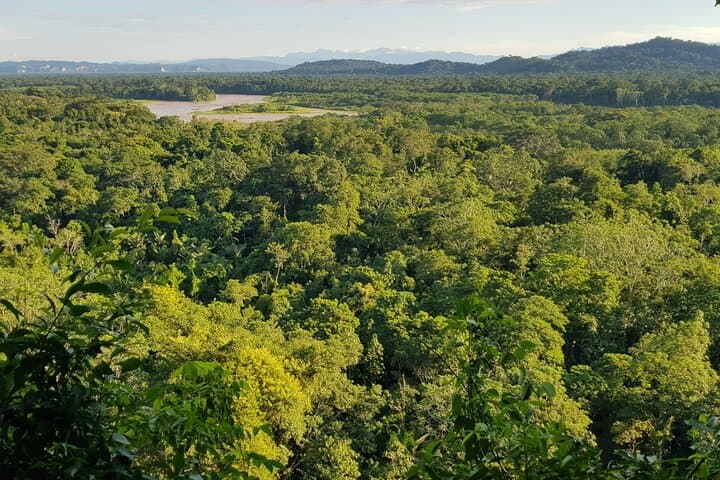
Madidi, legally protected since the 1990s, sits at the intersection of Andean runoff and lowland wetland, producing staggering biodiversity. Geology here is gentle — ancient alluvial plains punctuated by sandstone canyons like Bala — while Indigenous communities continue to steward lodges and trails, sharing traditional knowledge about medicinal plants and river navigation.
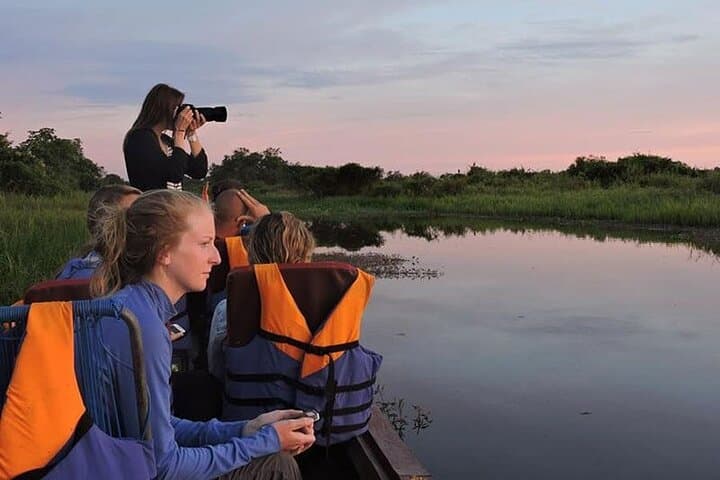
Expect a mix of river travel, short jungle hikes, a night of organized camping with provided mats and mosquito nets, and slow wildlife watches at dawn and dusk. Guides construct traditional log rafts and point out signs: capybara tracks in mud, macaws perched like stained glass, occasional glimpses of pink river dolphins in oxbow lakes. Nights are humid, scented with wet leaves and insect chorus; daytime heat can be intense.
Practical edge: pack a lightweight waterproof, strong bug protection, quick-dry layers, and a headlamp for night walks. Hydrate ahead of outings, carry a small daypack, and budget for tips for bilingual local guides. Logistics include river transfers, lodge stays, and one supervised jungle camp — no technical skills required, but moderate fitness and comfort with rustic conditions will improve the experience.
moderate.
5 days.
Moderate fitness recommended — able to walk 2–4 hours over uneven jungle trails and tolerate heat and humidity.
Moderate — most walks are 2–4 hours on uneven jungle trails; river travel reduces distance walked but expect humidity and heat.
Possible but not guaranteed — dolphins frequent oxbow lakes and slower river sections, sightings are more common in the dry season.
Camping uses provided sleeping mats, mosquito nets and sleeping bags; conditions are rustic with basic camp amenities and guided sanitation routines.
Consult a travel clinic; routine vaccines plus yellow fever and malaria prophylaxis are often recommended for Amazon travel depending on the itinerary and time of year.
Madidi was officially protected in the 1990s, creating one of the most biodiverse reserves by combining Andean and Amazonian ecosystems and recognizing Indigenous land stewardship.
Tours partner with local communities and lodges to support sustainable livelihoods; visitors should avoid single-use plastics, stick to paths and follow guides to minimize disturbance.
Howlanders operates guided outdoor trips and adventures with an emphasis on safety, stewardship, and memorable experiences.
Dawn arrives as the boat pushes off Rurrenabaque’s muddy riverbank, and the Tuichi’s surface rolls forward like a living road. The guide trims the throttle; the forest leans in — a chorus of howler monkeys, darting kingfishers and the distant slap of a caiman’s tail. Over five days this route threads two ecosystems: Madidi National Park’s tangled rainforest and the open wetlands of the Pampas del Yacuma.
Dawn arrives as the boat pushes off Rurrenabaque’s muddy riverbank, and the Tuichi’s surface rolls forward like a living road. The guide trims the throttle; the forest leans in — a chorus of howler monkeys, darting kingfishers and the distant slap of a caiman’s tail. Over five days this route threads two ecosystems: Madidi National Park’s tangled rainforest and the open wetlands of the Pampas del Yacuma.
Madidi, legally protected since the 1990s, sits at the intersection of Andean runoff and lowland wetland, producing staggering biodiversity. Geology here is gentle — ancient alluvial plains punctuated by sandstone canyons like Bala — while Indigenous communities continue to steward lodges and trails, sharing traditional knowledge about medicinal plants and river navigation.
Expect a mix of river travel, short jungle hikes, a night of organized camping with provided mats and mosquito nets, and slow wildlife watches at dawn and dusk. Guides construct traditional log rafts and point out signs: capybara tracks in mud, macaws perched like stained glass, occasional glimpses of pink river dolphins in oxbow lakes. Nights are humid, scented with wet leaves and insect chorus; daytime heat can be intense.
Practical edge: pack a lightweight waterproof, strong bug protection, quick-dry layers, and a headlamp for night walks. Hydrate ahead of outings, carry a small daypack, and budget for tips for bilingual local guides. Logistics include river transfers, lodge stays, and one supervised jungle camp — no technical skills required, but moderate fitness and comfort with rustic conditions will improve the experience.