THE ADVENTURE COLLECTIVE® · Independent discovery and booking for outdoor travel

Taste your way through Funchal on a flexible self-guided walking food tour that connects six independent eateries—from the oldest bakery to hidden tascas—sampling coffee, tapas, Madeira wine and Poncha at your own pace.
Taste your way through Funchal on a flexible self-guided walking food tour that connects six independent eateries—from the oldest bakery to hidden tascas—sampling coffee, tapas, Madeira wine and Poncha at your own pace.
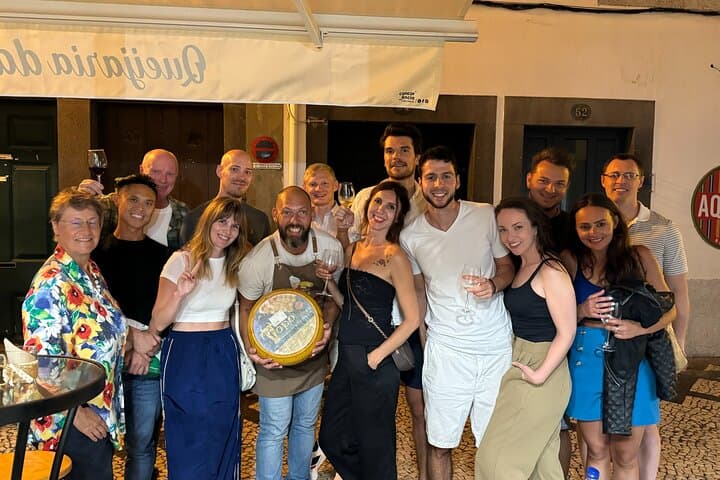
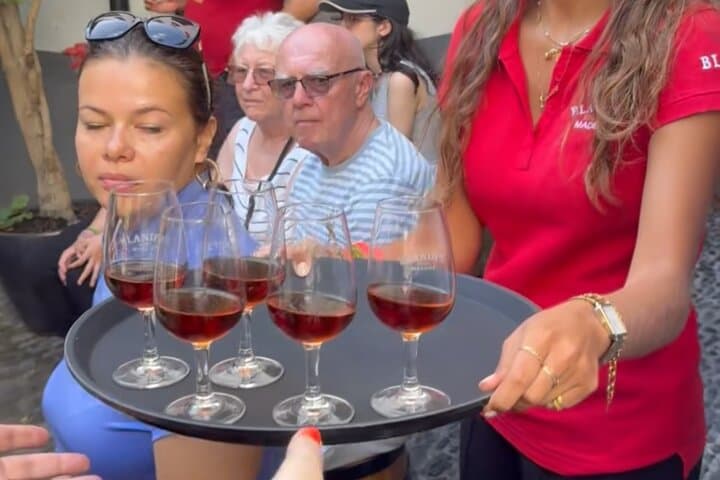
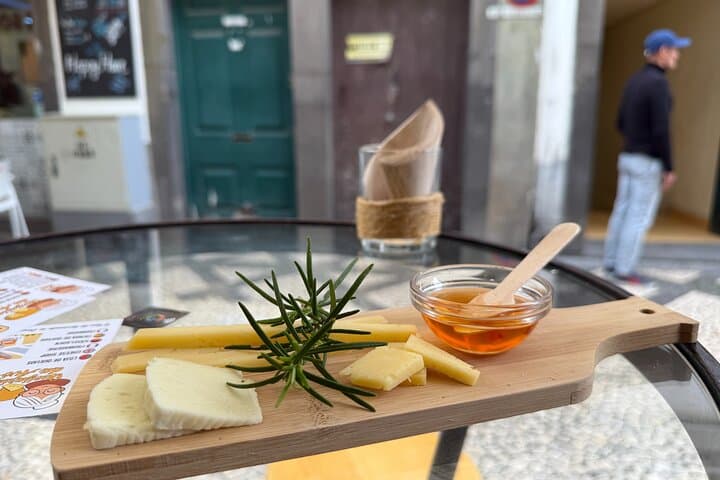
You step off the tram of everyday tourism and onto cobbled streets that still smell faintly of baked sugar and sea spray. Funchal’s narrow alleys warm under the Atlantic sun as you follow a self-guided route past a mix of neighborhood tascas, the island’s oldest bakery and bright coffee shops where steam fogs the windows. Each stop hands you a local note—fortified Madeira wine, a wedge of artisan cheese, the citrus burn of Poncha, a bite of sweet dentinho.
Verified experiences and guided adventures in the surrounding area.
Operated by Tapas Walks · Funchal, Madeira
You step off the tram of everyday tourism and onto cobbled streets that still smell faintly of baked sugar and sea spray. Funchal’s narrow alleys warm under the Atlantic sun as you follow a self-guided route past a mix of neighborhood tascas, the island’s oldest bakery and bright coffee shops where steam fogs the windows. Each stop hands you a local note—fortified Madeira wine, a wedge of artisan cheese, the citrus burn of Poncha, a bite of sweet dentinho.
Madeira’s story is visible in the food: a 15th-century port town that fed Atlantic sailors with sugar, wine and preserved fish. Volcanic soils and steep terraces shaped an island cuisine that leans on preserved fish, goat cheese and fortified wine, while Portuguese pastries became local tradition. The walk threads through Funchal’s market district and older barrios where you can see painted doors and 19th-century colonial facades.
Practically, this is a low-impact, flexible tour meant to be done on foot over roughly 3–4 hours. The route favors flat to gently sloping streets with occasional steps; pace it to enjoy tastings rather than race them. Carry a small bag for purchases, wear supportive shoes, and plan tastings in order—coffee and pastries early, then savory bites and wine later. Peak times are late morning and early evening; avoid the hottest midday hours in summer. Because the tour visits independent vendors, pay close attention to opening hours and respect portion sizes so you can sample across six stops. Savoring Madeira is as much about slowing down as it is about flavor.
easy.
3–4 hours.
Casual walkers should be fine; expect several blocks of walking with short stair sections and standing during tastings.
No—the self-guided format lets you begin when convenient; confirm vendor opening hours in the itinerary you receive.
The tour provides recommendations and a tasting plan but you pay vendors directly for food and drink; portions are designed to be sample-sized over six stops.
Many streets are walkable with a stroller and some accessibility-friendly stops exist, but there are cobbles and occasional steps—check the detailed route for alternatives.
Yes—notify the operator in advance so the itinerary highlights suitable stops; many vendors can accommodate common restrictions.
Funchal grew as a 15th-century Atlantic port; sugar, wine and ship provisioning shaped its culinary network and exported Madeira wine worldwide.
Support small independent vendors and reduce waste by using reusable bottles and bags; tourism can overwhelm small businesses so buy deliberately and avoid single-use disposables.
Tapas Walks operates guided outdoor trips and adventures with an emphasis on safety, stewardship, and memorable experiences.

You step off the tram of everyday tourism and onto cobbled streets that still smell faintly of baked sugar and sea spray. Funchal’s narrow alleys warm under the Atlantic sun as you follow a self-guided route past a mix of neighborhood tascas, the island’s oldest bakery and bright coffee shops where steam fogs the windows. Each stop hands you a local note—fortified Madeira wine, a wedge of artisan cheese, the citrus burn of Poncha, a bite of sweet dentinho.
You step off the tram of everyday tourism and onto cobbled streets that still smell faintly of baked sugar and sea spray. Funchal’s narrow alleys warm under the Atlantic sun as you follow a self-guided route past a mix of neighborhood tascas, the island’s oldest bakery and bright coffee shops where steam fogs the windows. Each stop hands you a local note—fortified Madeira wine, a wedge of artisan cheese, the citrus burn of Poncha, a bite of sweet dentinho.
Madeira’s story is visible in the food: a 15th-century port town that fed Atlantic sailors with sugar, wine and preserved fish. Volcanic soils and steep terraces shaped an island cuisine that leans on preserved fish, goat cheese and fortified wine, while Portuguese pastries became local tradition. The walk threads through Funchal’s market district and older barrios where you can see painted doors and 19th-century colonial facades.
Practically, this is a low-impact, flexible tour meant to be done on foot over roughly 3–4 hours. The route favors flat to gently sloping streets with occasional steps; pace it to enjoy tastings rather than race them. Carry a small bag for purchases, wear supportive shoes, and plan tastings in order—coffee and pastries early, then savory bites and wine later. Peak times are late morning and early evening; avoid the hottest midday hours in summer. Because the tour visits independent vendors, pay close attention to opening hours and respect portion sizes so you can sample across six stops. Savoring Madeira is as much about slowing down as it is about flavor.