THE ADVENTURE COLLECTIVE® · Independent discovery and booking for outdoor travel

Spend a morning scanning Madeira’s cliffs and terraces for buzzards, kestrels and peregrines. This small-group, four-hour tour combines geology, local farming history and close-up raptor observation with provided optics.
Spend a morning scanning Madeira’s cliffs and terraces for buzzards, kestrels and peregrines. This small-group, four-hour tour combines geology, local farming history and close-up raptor observation with provided optics.
A salt-edged wind pushes across the cliffs as the guide levels a spotting scope toward a distant silhouette—wings broad, riding thermals above the island.
Verified experiences and guided adventures in the surrounding area.
Operated by Madeira Fauna Flora · Funchal, Madeira
A salt-edged wind pushes across the cliffs as the guide levels a spotting scope toward a distant silhouette—wings broad, riding thermals above the island.
This four-hour field trip moves through the mixed mosaic of Madeira: volcanic cliffs, terraced farmland, and patches of laurel forest that funnel migrating birds and support resident raptors. The guide explains how volcanic geology created vertical nesting ledges and how centuries of small-scale agriculture opened hunting grounds for buzzards and kestrels.
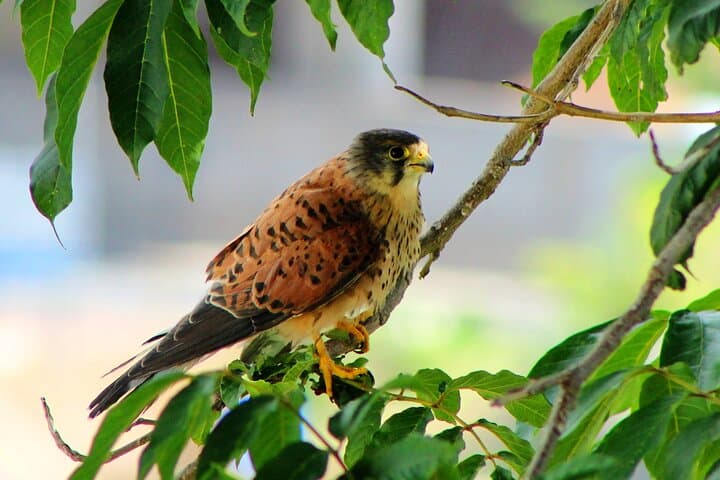
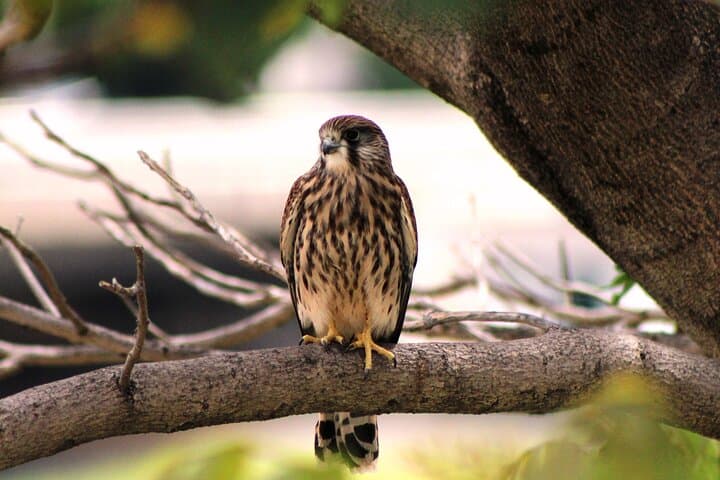
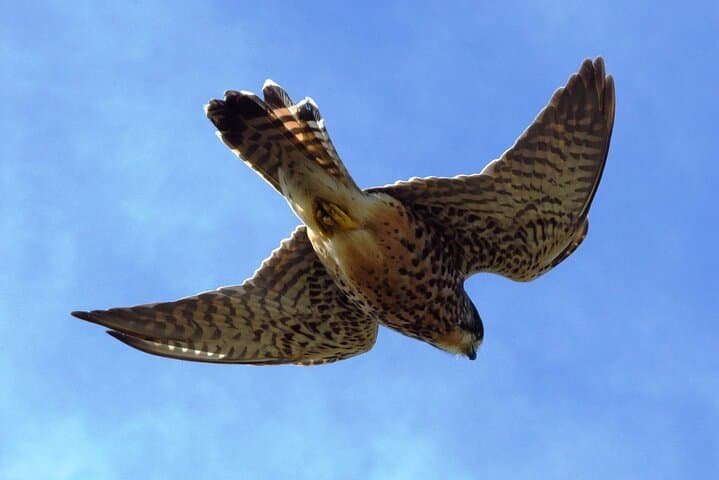
Culturally, local farmers and birders share a practical tolerance for raptors; you’ll hear about levadas (the island’s irrigation channels) and old hunting perches that double as modern observation points. Expect clear views of Common Buzzard subspecies on coastal escarpments and, with luck, Peregrine Falcons or Kestrels making rapid stoops.
Practically, the outing is observational, with small groups and provided optics, so emphasis is on quiet, patient watching rather than strenuous hiking. Mornings are best—thermals and prey activity pick up as the sun warms rock and scrub. Guides will position the group at nesting approaches and established perches; staying on paths minimizes disturbance to birds and farmland.
Bring layered clothing, sun and wind protection, and a water bottle. Move deliberately, let the sea air and the wingbeats set the pace: raptors will reveal themselves when you slow down.
Near Funchal, this tour pairs natural history with hands-on observation—an accessible, focused way to see island raptors in their cliff-and-terrace habitats.
easy.
4 hours.
Suitable for most fitness levels—expect short walks on uneven ground and standing periods.
Most tours meet in or near Funchal; exact meeting point is provided on booking and is typically accessible by local transport.
Yes—guides bring a spotting scope and observation material; personal binoculars are recommended for quicker scanning.
Yes—the tour is classified easy with short, low-impact walks; infants may need to sit on laps according to operator rules.
There is a possibility to observe hunting; sightings depend on season, weather, and current prey activity, so sightings cannot be guaranteed.
Madeira’s volcanic cliffs and human-shaped terraces created nesting and hunting habitats; traditional agriculture and levadas have long influenced where birds forage and nest.
Disturbance during nesting and habitat loss are primary concerns; tours practice low-impact viewing and local groups monitor sensitive sites to reduce human pressure.
Madeira Fauna Flora operates guided outdoor trips and adventures with an emphasis on safety, stewardship, and memorable experiences.

A salt-edged wind pushes across the cliffs as the guide levels a spotting scope toward a distant silhouette—wings broad, riding thermals above the island.
A salt-edged wind pushes across the cliffs as the guide levels a spotting scope toward a distant silhouette—wings broad, riding thermals above the island.
This four-hour field trip moves through the mixed mosaic of Madeira: volcanic cliffs, terraced farmland, and patches of laurel forest that funnel migrating birds and support resident raptors. The guide explains how volcanic geology created vertical nesting ledges and how centuries of small-scale agriculture opened hunting grounds for buzzards and kestrels.
Culturally, local farmers and birders share a practical tolerance for raptors; you’ll hear about levadas (the island’s irrigation channels) and old hunting perches that double as modern observation points. Expect clear views of Common Buzzard subspecies on coastal escarpments and, with luck, Peregrine Falcons or Kestrels making rapid stoops.
Practically, the outing is observational, with small groups and provided optics, so emphasis is on quiet, patient watching rather than strenuous hiking. Mornings are best—thermals and prey activity pick up as the sun warms rock and scrub. Guides will position the group at nesting approaches and established perches; staying on paths minimizes disturbance to birds and farmland.
Bring layered clothing, sun and wind protection, and a water bottle. Move deliberately, let the sea air and the wingbeats set the pace: raptors will reveal themselves when you slow down.
Near Funchal, this tour pairs natural history with hands-on observation—an accessible, focused way to see island raptors in their cliff-and-terrace habitats.