THE ADVENTURE COLLECTIVE® · Independent discovery and booking for outdoor travel

Walk alongside ancient irrigation channels through UNESCO-listed Laurissilva and across volcanic ridges on a full-day Madeira levada hike. Expect varied terrain, endemic flora, short tunnels and panoramic valley views—perfect for hikers with steady footing and a sense of adventure.
Walk alongside ancient irrigation channels through UNESCO-listed Laurissilva and across volcanic ridges on a full-day Madeira levada hike. Expect varied terrain, endemic flora, short tunnels and panoramic valley views—perfect for hikers with steady footing and a sense of adventure.
A cool Atlantic wind brushes across the face as you step onto the levada and the trail narrows against a mossy stone wall. Water runs beside you—a steady, purposeful hiss—carrying life from the mountain springs into terraces below. The path threads through dense laurel forest, opens onto volcanic ridgelines and drops into green valleys where sunlight slices through mist.
Verified experiences and guided adventures in the surrounding area.
Operated by Madeira Mountain Tours · Funchal, Madeira
A cool Atlantic wind brushes across the face as you step onto the levada and the trail narrows against a mossy stone wall. Water runs beside you—a steady, purposeful hiss—carrying life from the mountain springs into terraces below. The path threads through dense laurel forest, opens onto volcanic ridgelines and drops into green valleys where sunlight slices through mist.
Madeira’s levadas are engineering and cultural artifacts: centuries-old irrigation channels built to redistribute mountain water for crops and settlements. The island itself is volcanic—steep, folded ridges carved by erosion—so views change quickly from cliff-top panoramas to sheltered tunnels hewn into basalt.
Expect endemic Laurissilva trees, sticky ferns, and small birds like the Madeira firecrest. Locals historically farmed steep slopes; many of today’s paths were once maintenance routes for those waterworks. The trail varies: compact dirt, exposed rock, occasional narrow ledges and short, dark tunnels where a headlamp helps.
Practical guide: this full-day outing typically runs 6–8 hours and covers mixed terrain with modest elevation gain. Wear grippy hiking shoes, pack 1–2 liters of water, layered rain protection and a headlamp for tunnels. Start early to avoid afternoon clouds and allow time for transport back to Funchal. Follow the levada edge carefully; some sections lack railings and become slippery when wet. Guided tours provide local insight on flora, geology and safe route choices—ideal for anyone wanting a sustained walk through Madeira’s unique island landscapes without technical climbing.
moderate.
6–8 hours.
Suitable for hikers with good endurance for long walks and steady footing; basic stamina for up to 15 km and some elevation change.
Many levadas are suitable for hikers with no technical experience, but routes can include narrow ledges and tunnels—choose a guided tour or an easier levada if unsure.
This full-day format runs about 6–8 hours with mixed terrain and modest elevation gain; expect sustained walking rather than steep technical climbs.
Independent hikers with navigation experience can do many levadas, but guides add local knowledge, transport logistics and safety for trickier sections.
Layered clothing, waterproof jacket, grippy shoes, headlamp, snacks, and 1–2 liters of water; sunscreen and hat in summer.
Levadas were constructed from the 16th century onward to funnel mountain water to plantations and villages; maintenance trails evolved into today’s hiking routes.
Laurissilva forest is a protected UNESCO site—stay on marked paths, avoid disturbing endemic plants, and pack out all waste to protect fragile habitats.
Madeira Mountain Tours operates guided outdoor trips and adventures with an emphasis on safety, stewardship, and memorable experiences.
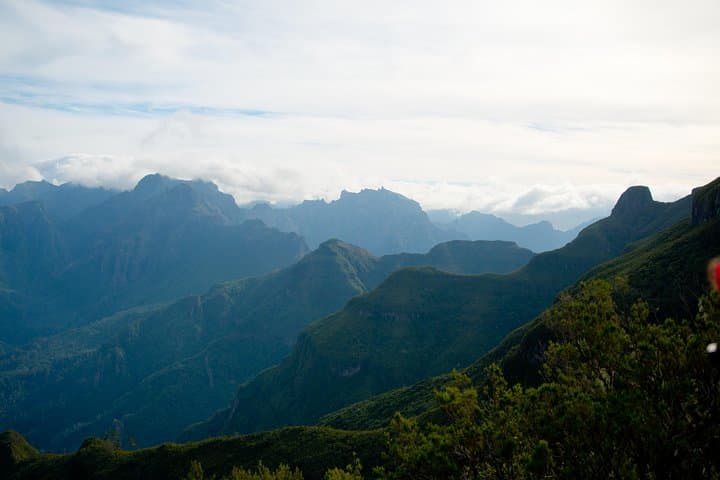
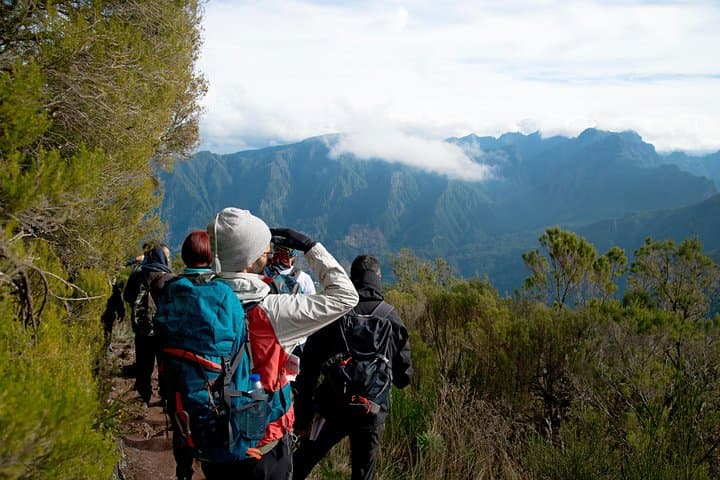
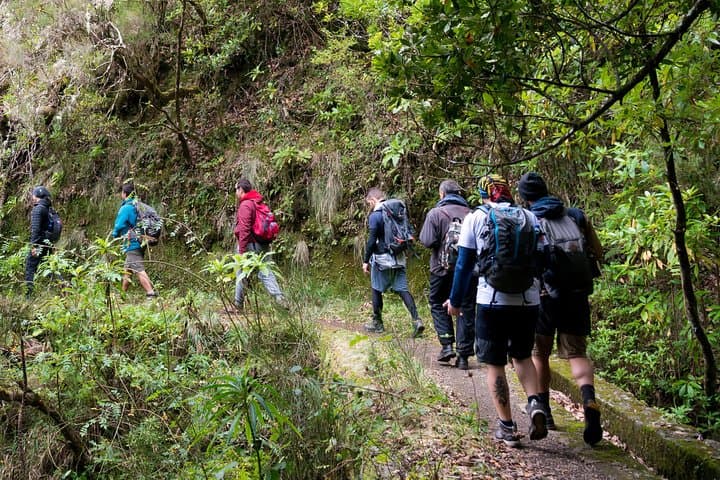
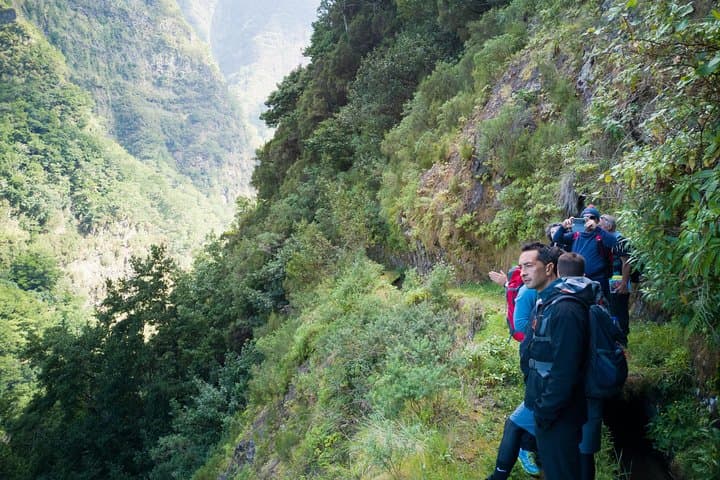
A cool Atlantic wind brushes across the face as you step onto the levada and the trail narrows against a mossy stone wall. Water runs beside you—a steady, purposeful hiss—carrying life from the mountain springs into terraces below. The path threads through dense laurel forest, opens onto volcanic ridgelines and drops into green valleys where sunlight slices through mist.
A cool Atlantic wind brushes across the face as you step onto the levada and the trail narrows against a mossy stone wall. Water runs beside you—a steady, purposeful hiss—carrying life from the mountain springs into terraces below. The path threads through dense laurel forest, opens onto volcanic ridgelines and drops into green valleys where sunlight slices through mist.
Madeira’s levadas are engineering and cultural artifacts: centuries-old irrigation channels built to redistribute mountain water for crops and settlements. The island itself is volcanic—steep, folded ridges carved by erosion—so views change quickly from cliff-top panoramas to sheltered tunnels hewn into basalt.
Expect endemic Laurissilva trees, sticky ferns, and small birds like the Madeira firecrest. Locals historically farmed steep slopes; many of today’s paths were once maintenance routes for those waterworks. The trail varies: compact dirt, exposed rock, occasional narrow ledges and short, dark tunnels where a headlamp helps.
Practical guide: this full-day outing typically runs 6–8 hours and covers mixed terrain with modest elevation gain. Wear grippy hiking shoes, pack 1–2 liters of water, layered rain protection and a headlamp for tunnels. Start early to avoid afternoon clouds and allow time for transport back to Funchal. Follow the levada edge carefully; some sections lack railings and become slippery when wet. Guided tours provide local insight on flora, geology and safe route choices—ideal for anyone wanting a sustained walk through Madeira’s unique island landscapes without technical climbing.