THE ADVENTURE COLLECTIVE® · Independent discovery and booking for outdoor travel

Walk a historic levada through forest and orchard, taste award-winning Madeiran cider, then sit down to a traditional farm lunch at Quinta da Moscadinha. This half-day tour blends easy hiking, local food culture, and guided insights into island agriculture.
Walk a historic levada through forest and orchard, taste award-winning Madeiran cider, then sit down to a traditional farm lunch at Quinta da Moscadinha. This half-day tour blends easy hiking, local food culture, and guided insights into island agriculture.
A cool Atlantic breeze moves through the trees as you step off the village lane and onto a narrow levada bank. The water, steady and obliging, guides your pace while the forest opens in patches of light; here, moss and fern hold the smell of damp earth and apple orchards slope toward the valley.
Verified experiences and guided adventures in the surrounding area.
Operated by Madeira Exquisite Food on Foot Tours · Camacha, Madeira
A cool Atlantic breeze moves through the trees as you step off the village lane and onto a narrow levada bank. The water, steady and obliging, guides your pace while the forest opens in patches of light; here, moss and fern hold the smell of damp earth and apple orchards slope toward the valley.
The levadas—engineered irrigation channels carved into Madeira’s volcanic terrain centuries ago—bring life from higher springs to cultivated terraces. In Camacha, those channels trace routes past traditional apple plots and small quintas where cider-making has roots stretching back more than five centuries. The walk is mostly gentle: an hour along maintained levada paths that thread forest and village, offering geology lessons in basalt outcrops and soil that keeps the slopes green year-round.
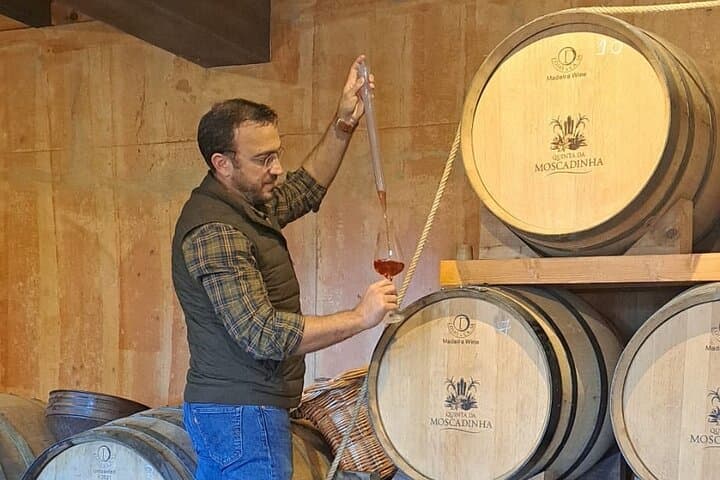
Cider at Quinta da Moscadinha is the cultural payoff: three tastings of a locally crafted beverage, paired with a lunch of pork, chorizo with beans, tuna escabeche, local bread, cheese, and charcuterie. Conversation with a certified guide explains traditional pressing methods and why island microclimates produce a distinct juice.
Practical notes: plan for a roughly 3–4 hour outing including transport and lunch. Wear grippy shoes—levada banks can be narrow and slick—bring a light jacket and water, and expect mild temperatures but sudden wind near exposed sections. The experience fits most fitness levels, and pickup/drop-off is usually provided. Stay on paths, respect private orchards, and leave no trace to protect Madeira’s laurel forest habitat.
easy.
3–4 hours.
Suitable for most fitness levels; requires steady balance for an hour of walking on narrow paths.
The levada walk is about one hour on well-maintained paths; the full tour including tastings and lunch runs around 3–4 hours.
Yes—guides can describe the production process and you can decline tastings; the lunch is a full, non-alcoholic-friendly meal.
Yes—tours note suitability for all fitness levels and infant seats are available for transport; keep children close on narrow levada sections.
Comfortable, closed-toe walking shoes and a light jacket; bring sunscreen if sunny and a small rain layer if the forecast shows showers.
The levadas were engineered centuries ago to move mountain water to coastal farms; Madeira’s cider-making dates back over 500 years and reflects island orchard culture.
Much of Madeira’s laurel forest is protected—stick to paths, avoid trampling understory, and carry out all waste to preserve fragile soils and endemic species.
Madeira Exquisite Food on Foot Tours operates guided outdoor trips and adventures with an emphasis on safety, stewardship, and memorable experiences.
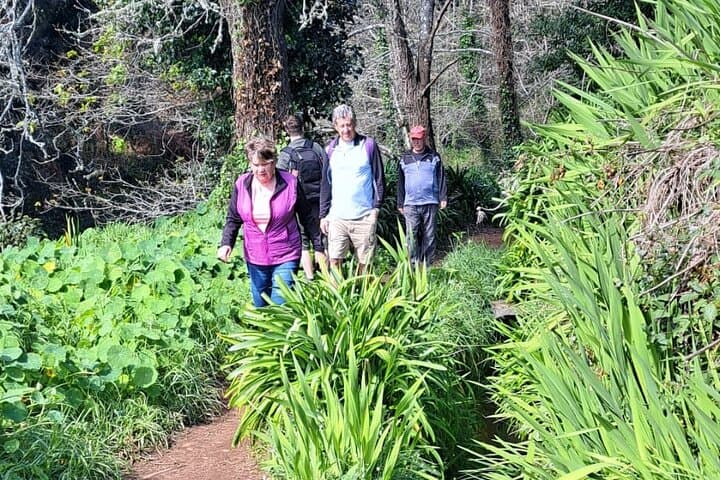
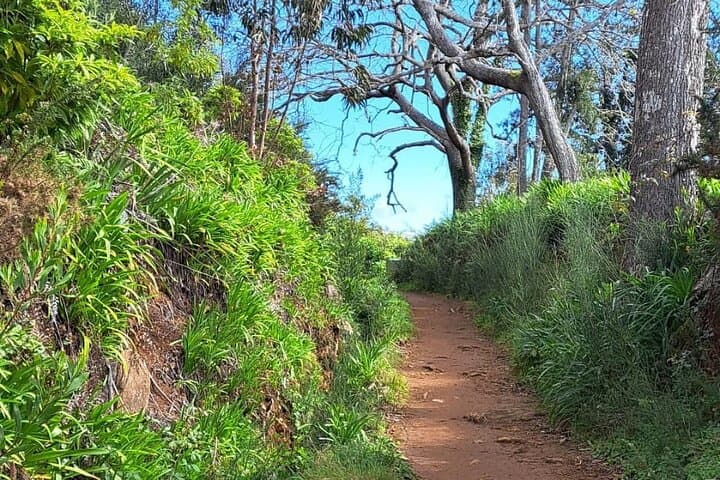
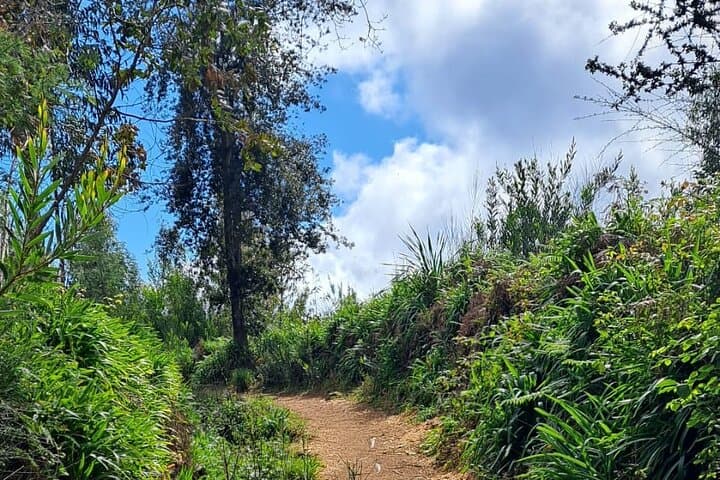
A cool Atlantic breeze moves through the trees as you step off the village lane and onto a narrow levada bank. The water, steady and obliging, guides your pace while the forest opens in patches of light; here, moss and fern hold the smell of damp earth and apple orchards slope toward the valley.
A cool Atlantic breeze moves through the trees as you step off the village lane and onto a narrow levada bank. The water, steady and obliging, guides your pace while the forest opens in patches of light; here, moss and fern hold the smell of damp earth and apple orchards slope toward the valley.
The levadas—engineered irrigation channels carved into Madeira’s volcanic terrain centuries ago—bring life from higher springs to cultivated terraces. In Camacha, those channels trace routes past traditional apple plots and small quintas where cider-making has roots stretching back more than five centuries. The walk is mostly gentle: an hour along maintained levada paths that thread forest and village, offering geology lessons in basalt outcrops and soil that keeps the slopes green year-round.
Cider at Quinta da Moscadinha is the cultural payoff: three tastings of a locally crafted beverage, paired with a lunch of pork, chorizo with beans, tuna escabeche, local bread, cheese, and charcuterie. Conversation with a certified guide explains traditional pressing methods and why island microclimates produce a distinct juice.
Practical notes: plan for a roughly 3–4 hour outing including transport and lunch. Wear grippy shoes—levada banks can be narrow and slick—bring a light jacket and water, and expect mild temperatures but sudden wind near exposed sections. The experience fits most fitness levels, and pickup/drop-off is usually provided. Stay on paths, respect private orchards, and leave no trace to protect Madeira’s laurel forest habitat.