THE ADVENTURE COLLECTIVE® · Independent discovery and booking for outdoor travel

Follow a calm, coastal levada across terraced slopes and cliffside viewpoints on this guided three-hour walk from the island’s north shore. Expect engineered irrigation channels, sweeping Atlantic views, and close-up cultural insights into Madeira’s farming heritage.
Follow a calm, coastal levada across terraced slopes and cliffside viewpoints on this guided three-hour walk from the island’s north shore. Expect engineered irrigation channels, sweeping Atlantic views, and close-up cultural insights into Madeira’s farming heritage.
You step off a narrow lane into the cool hiss of running water; the levada’s channel guides you forward while the Atlantic watches from a cliff-edge distance. The trail threads between stone terraces and small farm plots, with Penha da Águia rising like a dark sentinel over the fishing village below. Salt air mixes with damp earth and the scent of laurel; the path is calm, focused, and quietly demanding of your attention.
Verified experiences and guided adventures in the surrounding area.
Operated by MTS Globe Portugal · Porto da Cruz, Madeira
You step off a narrow lane into the cool hiss of running water; the levada’s channel guides you forward while the Atlantic watches from a cliff-edge distance. The trail threads between stone terraces and small farm plots, with Penha da Águia rising like a dark sentinel over the fishing village below. Salt air mixes with damp earth and the scent of laurel; the path is calm, focused, and quietly demanding of your attention.
These levadas are human-made veins dug centuries ago to carry mountain water to coastal fields—an agricultural engineering response to Madeira’s steep, volcanic terrain. Granite and basalt underfoot tell the island’s volcanic origin; terraces reveal generations of subsistence farming and a culture shaped by isolation and sea trade. Guides bring local stories: how families carved plots from the slope, when sugar and later small-scale farming sustained settlements like Porto da Cruz.
Practically, the route is a three-hour, mostly easy walk with short, rooted sections and a few narrow stretches along the escarpment. Expect uneven stone and occasional mud after rain. Wear grippy shoes, carry 1–2 liters of water, and bring a light waterproof—weather shifts quickly on Madeira’s north coast. Morning light gives the best coastal clarity and cooler temperatures; afternoons can be hazy and windier.
Respect private terraces and livestock, keep to the levada path, and budget time afterward to visit Porto da Cruz’s black-sand beach or the local rum house. This walk rewards steady pace and quiet observation: the island’s landscape does the inviting and the instructing, if you let it.
easy.
3 hours.
Suitable for most fitness levels; you should be comfortable walking on uneven ground for several kilometers.
The guided itinerary runs about 3 hours and is rated easy—mostly level levada path with some narrow or uneven sections; suitable for most walkers.
Pickup and drop-off are included where available; if hotel pickup isn’t possible, a nearby meeting point will be provided—confirm details at booking.
There are no public restrooms on the levada route; use facilities in Porto da Cruz before departure.
Infants must sit on an adult’s lap; the walk is family-friendly but assess young children’s comfort with uneven footing.
Levadas were constructed from the 16th century onward to transport mountain water to coastal farms; the terraces you’ll pass are the result of centuries of hand-built agriculture.
Trails and terraces are fragile—stay on designated paths, pack out waste, and avoid disturbing cultivated plots to protect local biodiversity and farmland.
MTS Globe Portugal operates guided outdoor trips and adventures with an emphasis on safety, stewardship, and memorable experiences.
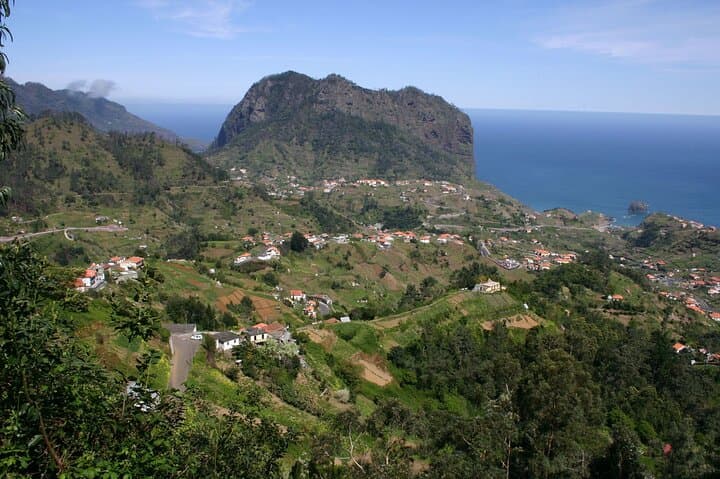
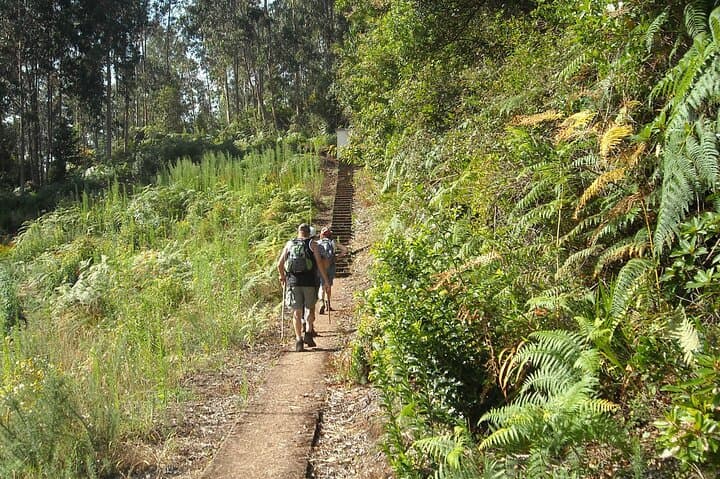
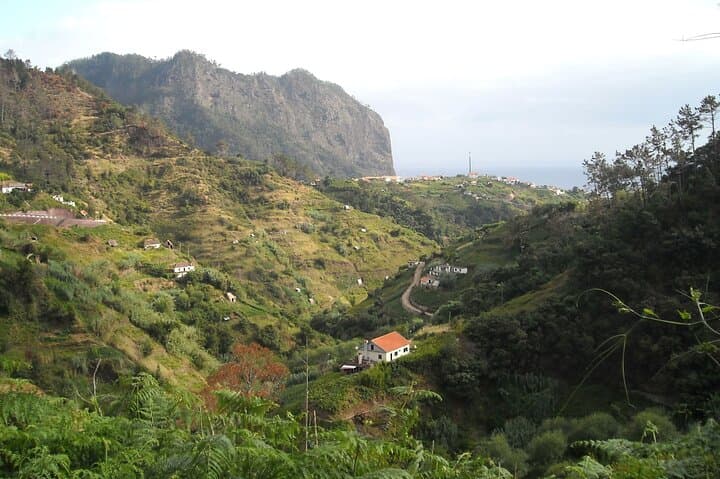
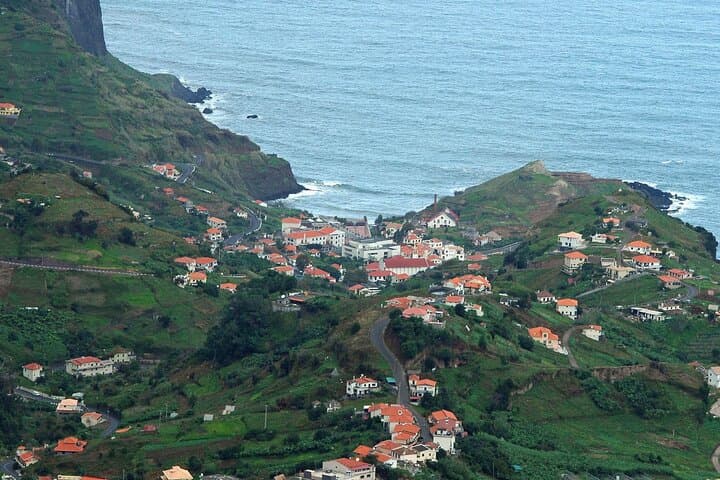
You step off a narrow lane into the cool hiss of running water; the levada’s channel guides you forward while the Atlantic watches from a cliff-edge distance. The trail threads between stone terraces and small farm plots, with Penha da Águia rising like a dark sentinel over the fishing village below. Salt air mixes with damp earth and the scent of laurel; the path is calm, focused, and quietly demanding of your attention.
You step off a narrow lane into the cool hiss of running water; the levada’s channel guides you forward while the Atlantic watches from a cliff-edge distance. The trail threads between stone terraces and small farm plots, with Penha da Águia rising like a dark sentinel over the fishing village below. Salt air mixes with damp earth and the scent of laurel; the path is calm, focused, and quietly demanding of your attention.
These levadas are human-made veins dug centuries ago to carry mountain water to coastal fields—an agricultural engineering response to Madeira’s steep, volcanic terrain. Granite and basalt underfoot tell the island’s volcanic origin; terraces reveal generations of subsistence farming and a culture shaped by isolation and sea trade. Guides bring local stories: how families carved plots from the slope, when sugar and later small-scale farming sustained settlements like Porto da Cruz.
Practically, the route is a three-hour, mostly easy walk with short, rooted sections and a few narrow stretches along the escarpment. Expect uneven stone and occasional mud after rain. Wear grippy shoes, carry 1–2 liters of water, and bring a light waterproof—weather shifts quickly on Madeira’s north coast. Morning light gives the best coastal clarity and cooler temperatures; afternoons can be hazy and windier.
Respect private terraces and livestock, keep to the levada path, and budget time afterward to visit Porto da Cruz’s black-sand beach or the local rum house. This walk rewards steady pace and quiet observation: the island’s landscape does the inviting and the instructing, if you let it.