THE ADVENTURE COLLECTIVE® · Independent discovery and booking for outdoor travel

Follow a private guide along the Levada from Prazeres to Raposeira, where engineered channels carve volcanic slopes and reveal coastal views. Expect easy leveled walking, shaded tunnels, and insights into Madeira’s irrigation history.
Follow a private guide along the Levada from Prazeres to Raposeira, where engineered channels carve volcanic slopes and reveal coastal views. Expect easy leveled walking, shaded tunnels, and insights into Madeira’s irrigation history.
The path begins where village roofs give way to eucalyptus scent and the levada hisses along its stone channel. Walkers set off from Prazeres with a guide at their side, following the narrow ribbon of water that once carried mountain runoff down to sunlit terraces. Pine needles and the low chatter of passerine birds accompany each step; the levada edges occasionally widen to reveal plunging valley views toward the south coast.
Verified experiences and guided adventures in the surrounding area.
Operated by Pearl of the Atlantic · Prazeres, Madeira
The path begins where village roofs give way to eucalyptus scent and the levada hisses along its stone channel. Walkers set off from Prazeres with a guide at their side, following the narrow ribbon of water that once carried mountain runoff down to sunlit terraces. Pine needles and the low chatter of passerine birds accompany each step; the levada edges occasionally widen to reveal plunging valley views toward the south coast.
Levada engineering on Madeira dates to early colonial irrigation efforts and was expanded across the 18th–20th centuries to supply plantations and households. The geology here is volcanic—black basalt and weathered tuff underfoot—shaping terraces and the stepped agricultural plots you’ll pass. Local culture still orbits small-scale farming: expect to see older residents tending plots and drying chestnuts or local fruits.
This private guided walk covers generally easy terrain—leveled stone paths with some short inclines and potential narrow sections carved into rock. Guides point out endemic plants, the Madeira firecrest, and the island’s water management legacy while sharing practical route notes. Tunnels and shaded sections offer relief from sun but bring damp rock; headlamps or steady lights are useful. Hydrate before tunnels and carry layers: coastal winds can shift quickly.
Timing mid-morning avoids the hottest hours and maximizes light on valley panoramas. Respect cultivated terraces and private tracks, wear sturdy footwear with good grip, and be prepared for changing weather—Madeira’s microclimates can turn a sunny start into a misty, moss-slick finish.
moderate.
4 hours.
Suitable for generally fit walkers able to handle a few uneven or narrow sections; not technical but requires steady footing.
The guided experience lasts about four hours door-to-door; actual walking time varies with stops but plan on roughly 2.5–3 hours on the levada itself.
Most of the levada route is level or gently sloped, though narrow rock-cut stretches and short inclines exist; those with vertigo should notify the guide.
The tour is offered as a private walk and can accommodate children and older adults with moderate mobility, but inform the operator of any limitations in advance.
This tour includes pickup and guide services paid at booking; small purchases in villages may require cash, though Funchal accepts cards widely.
Levada networks were expanded from the 18th century onward to irrigate plantations and settlements; these channels shaped land use and settlement patterns across Madeira.
Stay on designated paths to protect fragile endemic plants and terraces; the levadas are living infrastructure—minimize waste and avoid disturbing irrigation channels.
Pearl of the Atlantic operates guided outdoor trips and adventures with an emphasis on safety, stewardship, and memorable experiences.
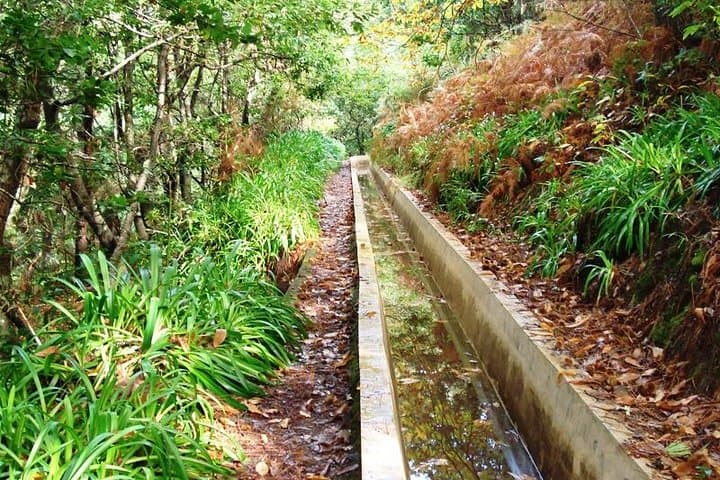

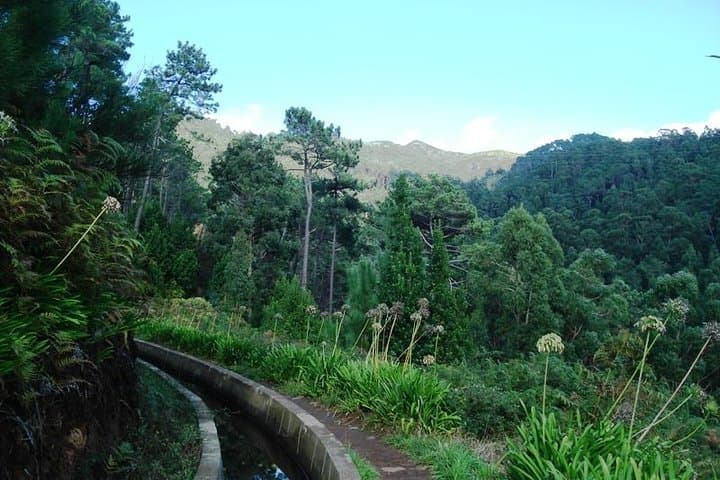
The path begins where village roofs give way to eucalyptus scent and the levada hisses along its stone channel. Walkers set off from Prazeres with a guide at their side, following the narrow ribbon of water that once carried mountain runoff down to sunlit terraces. Pine needles and the low chatter of passerine birds accompany each step; the levada edges occasionally widen to reveal plunging valley views toward the south coast.
The path begins where village roofs give way to eucalyptus scent and the levada hisses along its stone channel. Walkers set off from Prazeres with a guide at their side, following the narrow ribbon of water that once carried mountain runoff down to sunlit terraces. Pine needles and the low chatter of passerine birds accompany each step; the levada edges occasionally widen to reveal plunging valley views toward the south coast.
Levada engineering on Madeira dates to early colonial irrigation efforts and was expanded across the 18th–20th centuries to supply plantations and households. The geology here is volcanic—black basalt and weathered tuff underfoot—shaping terraces and the stepped agricultural plots you’ll pass. Local culture still orbits small-scale farming: expect to see older residents tending plots and drying chestnuts or local fruits.
This private guided walk covers generally easy terrain—leveled stone paths with some short inclines and potential narrow sections carved into rock. Guides point out endemic plants, the Madeira firecrest, and the island’s water management legacy while sharing practical route notes. Tunnels and shaded sections offer relief from sun but bring damp rock; headlamps or steady lights are useful. Hydrate before tunnels and carry layers: coastal winds can shift quickly.
Timing mid-morning avoids the hottest hours and maximizes light on valley panoramas. Respect cultivated terraces and private tracks, wear sturdy footwear with good grip, and be prepared for changing weather—Madeira’s microclimates can turn a sunny start into a misty, moss-slick finish.