THE ADVENTURE COLLECTIVE® · Independent discovery and booking for outdoor travel

A brisk, four‑hour guided loop from Funchal that stitches together ocean views, carved terraces and small‑town culture. Ideal for visitors who want a concise introduction to eastern Madeira’s geology and living landscapes.
A brisk, four‑hour guided loop from Funchal that stitches together ocean views, carved terraces and small‑town culture. Ideal for visitors who want a concise introduction to eastern Madeira’s geology and living landscapes.
A minivan slips out of downtown Funchal and the coastline unfurls: cliffs drop to the Atlantic, terraces climb the hillsides, and a lone statue watches the gulf. The guided four‑hour circuit moves at a relaxed pace—short stops at Cristo Rei, Santa Cruz and Santo da Serra let the island's contrasts register: manicured gardens beside weathered agricultural terraces, quiet village squares and the low roar of surf.
Verified experiences and guided adventures in the surrounding area.
Operated by Green Devil Safari · Funchal, Madeira
A minivan slips out of downtown Funchal and the coastline unfurls: cliffs drop to the Atlantic, terraces climb the hillsides, and a lone statue watches the gulf. The guided four‑hour circuit moves at a relaxed pace—short stops at Cristo Rei, Santa Cruz and Santo da Serra let the island's contrasts register: manicured gardens beside weathered agricultural terraces, quiet village squares and the low roar of surf.
Madeira’s terrain is volcanic; ancient lava flows carved steep valleys and left fertile pockets where subsistence farmers hewed terraces for vines and vegetables. The result is a patchwork of dry stone walls and lush pockets of laurel forest—Laurisilva—an ecosystem that helped put Madeira on UNESCO’s radar.
Culturally the route touches working life: small chapels, weekend markets in Santo da Serra, and fishing ports that still land tuna and limpets. Guides commonly point out how wine, sugar and later tourism shaped settlement patterns along these sheltered coves and ridgelines.
Practical guidance: expect light walking—short paved and dirt sections, some steps at viewpoints. Wear sturdy shoes and a windproof layer; weather can shift quickly between sun and spray. Bring water, sun protection and a camera with a wide lens for coastal panoramas. The tour includes hotel pickup and private vehicle transport, making it a compact way to sample eastern Madeira without planning logistics.
Timing tip: mornings often have clearer light for photos; late afternoons can bring dramatic clouds and stronger coastal winds. Respect private farmland and marked viewpoints to keep the landscapes intact for the next visitors.
easy.
4 hours.
Suitable for travelers in average fitness; involves short, easy walks and standing at viewpoints.
Most departures pick up from central Funchal hotels and return there at the end of the four‑hour loop.
Yes; children must be accompanied by an adult and infant seats are available on request.
No—stops involve short walks and viewpoints; the tour is rated easy for general fitness levels.
Guides commonly speak Portuguese and English; confirm at booking if you need another language.
Terraced agriculture and maritime trade shaped eastern Madeira for centuries; many stone walls date to subsistence farming linked to wine and sugar cultivation.
The island's Laurisilva forest is protected and visitors are urged to stay on marked viewpoints and avoid disturbing private terraces to reduce erosion and habitat loss.
Green Devil Safari operates guided outdoor trips and adventures with an emphasis on safety, stewardship, and memorable experiences.
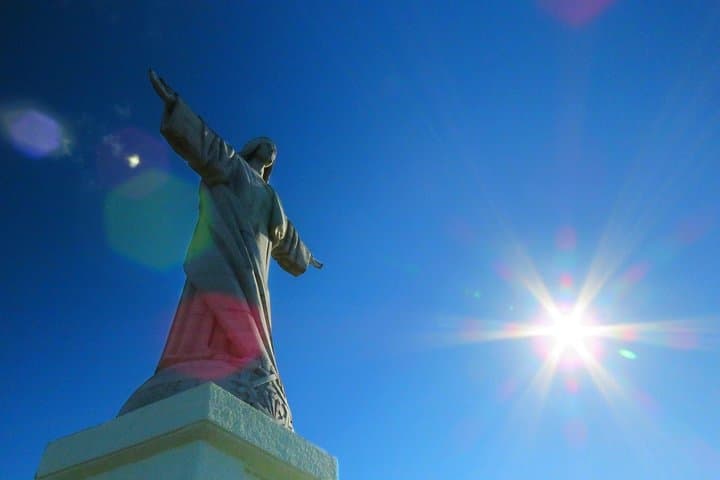
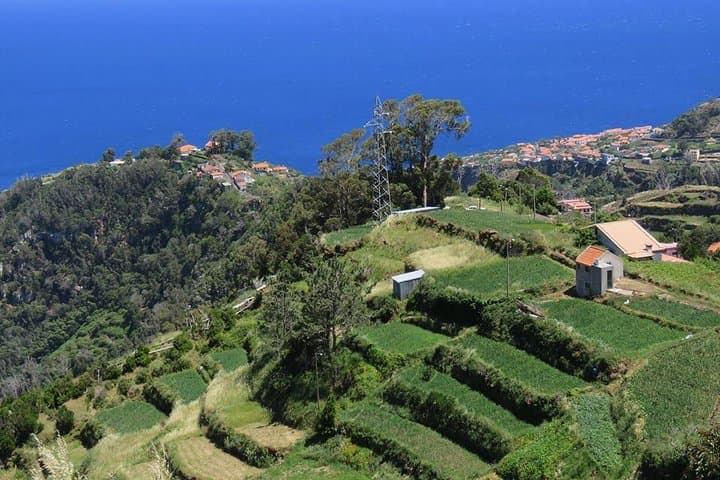

A minivan slips out of downtown Funchal and the coastline unfurls: cliffs drop to the Atlantic, terraces climb the hillsides, and a lone statue watches the gulf. The guided four‑hour circuit moves at a relaxed pace—short stops at Cristo Rei, Santa Cruz and Santo da Serra let the island's contrasts register: manicured gardens beside weathered agricultural terraces, quiet village squares and the low roar of surf.
A minivan slips out of downtown Funchal and the coastline unfurls: cliffs drop to the Atlantic, terraces climb the hillsides, and a lone statue watches the gulf. The guided four‑hour circuit moves at a relaxed pace—short stops at Cristo Rei, Santa Cruz and Santo da Serra let the island's contrasts register: manicured gardens beside weathered agricultural terraces, quiet village squares and the low roar of surf.
Madeira’s terrain is volcanic; ancient lava flows carved steep valleys and left fertile pockets where subsistence farmers hewed terraces for vines and vegetables. The result is a patchwork of dry stone walls and lush pockets of laurel forest—Laurisilva—an ecosystem that helped put Madeira on UNESCO’s radar.
Culturally the route touches working life: small chapels, weekend markets in Santo da Serra, and fishing ports that still land tuna and limpets. Guides commonly point out how wine, sugar and later tourism shaped settlement patterns along these sheltered coves and ridgelines.
Practical guidance: expect light walking—short paved and dirt sections, some steps at viewpoints. Wear sturdy shoes and a windproof layer; weather can shift quickly between sun and spray. Bring water, sun protection and a camera with a wide lens for coastal panoramas. The tour includes hotel pickup and private vehicle transport, making it a compact way to sample eastern Madeira without planning logistics.
Timing tip: mornings often have clearer light for photos; late afternoons can bring dramatic clouds and stronger coastal winds. Respect private farmland and marked viewpoints to keep the landscapes intact for the next visitors.