THE ADVENTURE COLLECTIVE® · Independent discovery and booking for outdoor travel

Tackle longer abseils, larger waterfalls and technical navigation in Ribeiro do Cidrão on this Level II canyoning route. Expect wet, slippery rock, guided rope work, and 5–6 hours of sustained adventure on Madeira's rugged north slopes.
Tackle longer abseils, larger waterfalls and technical navigation in Ribeiro do Cidrão on this Level II canyoning route. Expect wet, slippery rock, guided rope work, and 5–6 hours of sustained adventure on Madeira's rugged north slopes.
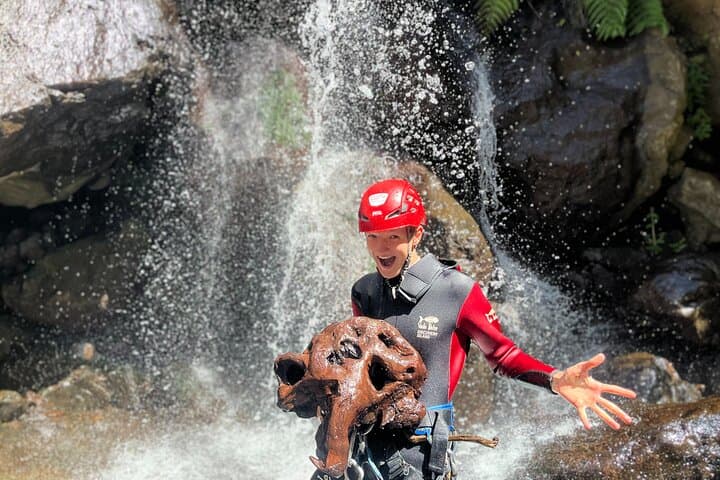
A cold ribbon of water threads through basalt walls as participants clip into rope systems and listen for the guide's cadence. In Ribeiro do Cidrão the canyon narrows quickly: mossed rock squeezes the stream, waterfalls drum, and the next abseil waits around the bend.
Verified experiences and guided adventures in the surrounding area.
Operated by Discovery Island Madeira · Funchal, Madeira
A cold ribbon of water threads through basalt walls as participants clip into rope systems and listen for the guide's cadence. In Ribeiro do Cidrão the canyon narrows quickly: mossed rock squeezes the stream, waterfalls drum, and the next abseil waits around the bend.
The gorge sits within Madeira's volcanic spine; its columns and polished slabs are the product of ancient lava flows eroded by centuries of rainfall. Locals historically used nearby levadas—gravity-fed irrigation channels—to move water and shape agricultural terraces, and the same runoff now carves the canyons canyoners descend. Culturally, this is a working island where sea and mountain meet: fishermen in coastal villages and farmers on high terraces share a mutual respect for the island's water routes.
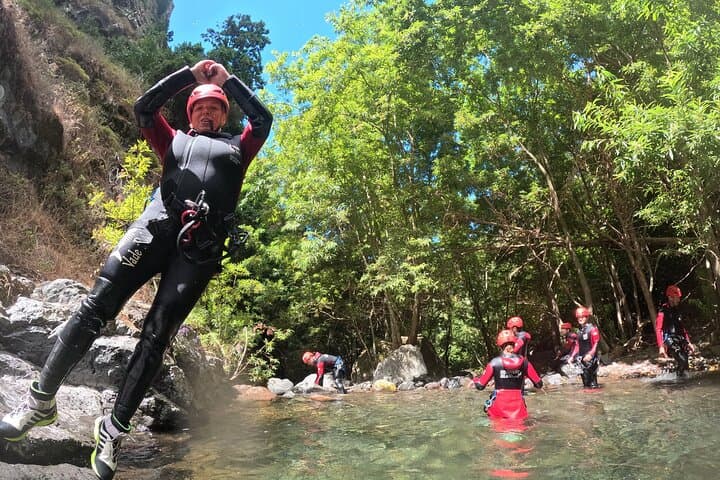
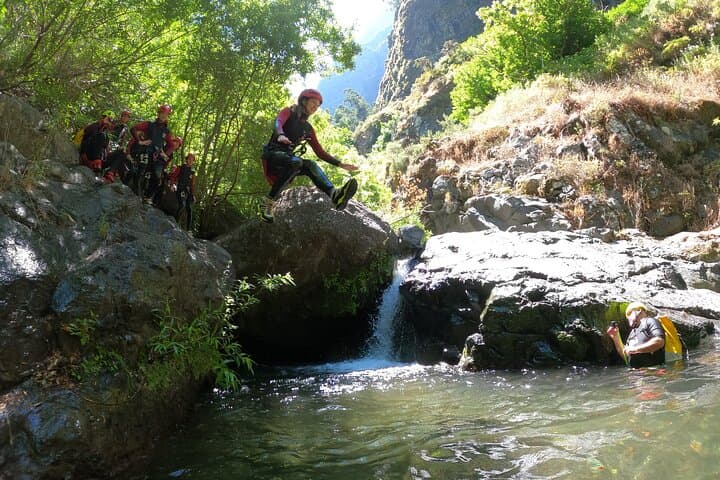
Expect a mix of technical rope work and exposed water features: longer abseils, larger waterfalls, controlled jumps and complex route-finding through narrow sections. Guides teach rope management, anchor checks and descent pacing; the environment demands attention and teamwork.
Practical notes: arrive hydrated and rested, wear the provided full-body wetsuit and boots, and be ready for 5–6 hours of sustained effort with wet, slippery terrain underfoot. Photography is usually handled by guides' action cameras, but bring a secure dry pocket for ID and phone. Plan for variable weather—northern slopes can be cooler and wetter—and allow extra time for transfers to and from Funchal. This is a progression-grade canyon: good for those with some canyoning or climbing experience who want to push technique in a dramatic Madeiran gorge.
moderate.
5–6 hours.
Moderate to good fitness; able to scramble, descend ropes and swim short stretches.
Level II expects some prior canyoning or climbing experience—operators usually require completion of Level I or equivalent skills in rope work and jumps.
Children under 7 years or shorter than 1.20 meters are not allowed; age and fitness checks are part of booking requirements.
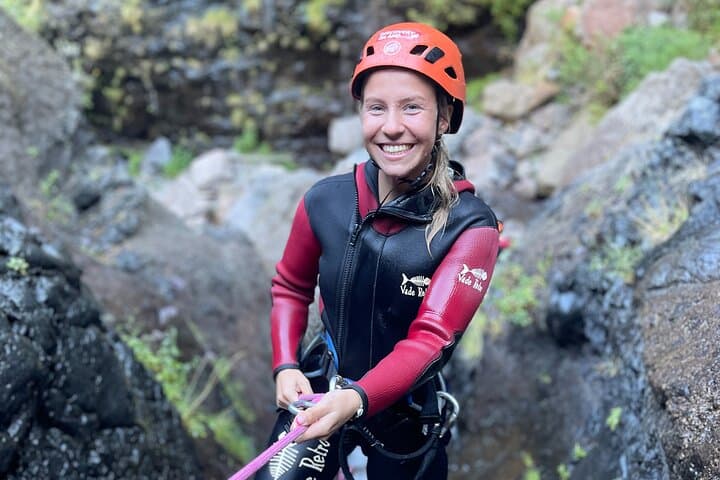
Yes—full-body wetsuit, helmet, harness, gloves, boots and rappel gear are typically included, plus bottled water and snacks.
Yes—operators reserve the right to cancel for adverse weather or unsafe flows; most offer full refunds if canceled 24 hours prior.
The island's levadas—historic irrigation channels—shaped many gullies and ensured agricultural terraces thrived; water management remains central to local life.
Operators limit group sizes, use established access points and emphasize leave-no-trace to protect fragile riparian vegetation and prevent erosion.
Discovery Island Madeira operates guided outdoor trips and adventures with an emphasis on safety, stewardship, and memorable experiences.
A cold ribbon of water threads through basalt walls as participants clip into rope systems and listen for the guide's cadence. In Ribeiro do Cidrão the canyon narrows quickly: mossed rock squeezes the stream, waterfalls drum, and the next abseil waits around the bend.
A cold ribbon of water threads through basalt walls as participants clip into rope systems and listen for the guide's cadence. In Ribeiro do Cidrão the canyon narrows quickly: mossed rock squeezes the stream, waterfalls drum, and the next abseil waits around the bend.
The gorge sits within Madeira's volcanic spine; its columns and polished slabs are the product of ancient lava flows eroded by centuries of rainfall. Locals historically used nearby levadas—gravity-fed irrigation channels—to move water and shape agricultural terraces, and the same runoff now carves the canyons canyoners descend. Culturally, this is a working island where sea and mountain meet: fishermen in coastal villages and farmers on high terraces share a mutual respect for the island's water routes.
Expect a mix of technical rope work and exposed water features: longer abseils, larger waterfalls, controlled jumps and complex route-finding through narrow sections. Guides teach rope management, anchor checks and descent pacing; the environment demands attention and teamwork.
Practical notes: arrive hydrated and rested, wear the provided full-body wetsuit and boots, and be ready for 5–6 hours of sustained effort with wet, slippery terrain underfoot. Photography is usually handled by guides' action cameras, but bring a secure dry pocket for ID and phone. Plan for variable weather—northern slopes can be cooler and wetter—and allow extra time for transfers to and from Funchal. This is a progression-grade canyon: good for those with some canyoning or climbing experience who want to push technique in a dramatic Madeiran gorge.