THE ADVENTURE COLLECTIVE® · Independent discovery and booking for outdoor travel

Spend four hours tracking rare endemic butterflies in Madeira’s laurel forests with guides who provide field guides, observation kits and the chance to submit records to the Madeira Butterfly Monitoring Scheme. Gentle walking, big natural rewards.
Spend four hours tracking rare endemic butterflies in Madeira’s laurel forests with guides who provide field guides, observation kits and the chance to submit records to the Madeira Butterfly Monitoring Scheme. Gentle walking, big natural rewards.
A cool Atlantic breeze moves through the laurel forest as the group gathers at a shaded trailhead above Funchal; dew beads on heathland flowers and tiny wings flash in sudden shafts of sunlight. The tour unfolds slowly—careful footsteps on levada banks and forest tracks, heads bent to catch the quick, bright flicker of an endemic butterfly as it pauses on a leaf.
Verified experiences and guided adventures in the surrounding area.
Operated by Madeira Fauna Flora · Funchal, Madeira
A cool Atlantic breeze moves through the laurel forest as the group gathers at a shaded trailhead above Funchal; dew beads on heathland flowers and tiny wings flash in sudden shafts of sunlight. The tour unfolds slowly—careful footsteps on levada banks and forest tracks, heads bent to catch the quick, bright flicker of an endemic butterfly as it pauses on a leaf.
Madeira’s volcanic slopes and humid laurisilva (laurel) forests host several species found nowhere else in Europe, and many here are among the continent’s most threatened. The island’s rugged geology—ancient lava flows carved by erosion—creates a patchwork of microhabitats where these specialists survive. Culturally, local naturalists and guides blend island knowledge with citizen science: participants can add sightings to the Madeira Butterfly Monitoring Scheme, contributing directly to conservation records.
Expect four hours of gentle walking on narrow paths, levada towpaths, and occasional rocky sections; the itinerary includes observation material, field guides, and a guide who explains identification and habitat. Tea or coffee is typically offered during the outing.
Practical guidance: wear sturdy, closed shoes with good grip; bring binoculars and a light waterproof layer; use quiet voices and avoid touching vegetation to minimize disturbance. The tour is suitable for most fitness levels and is stroller-accessible in some sections, but uneven ground and short climbs are possible.
This experience pairs close observation with tangible conservation action—perfect for travelers who want to see rare island fauna and leave behind useful records for researchers.
easy.
4 hours.
Suitable for most fitness levels; involves several short walks on uneven terrain and some gentle slopes
The tour runs about four hours and involves gentle walking on levada banks and forest trails—suitable for most people but expect uneven ground and short slopes.
No sighting can be guaranteed; guides choose productive habitats and observation increases the chance of seeing endemic and rare species, but weather and season affect activity.
Infants and small children can use strollers in parts of the route, but some sections have narrow or uneven paths—check with the operator about specific access before booking.
Yes—the tour supports adding records to the Madeira Butterfly Monitoring Scheme and typically provides guidance and materials for reporting observations.
Madeira’s laurisilva is a remnant of subtropical forests that once covered much of Southern Europe; island isolation led to many endemic insects and plants.
The Madeira Butterfly Monitoring Scheme and local guides prioritize non-invasive observation and record-keeping to inform conservation; visitors are asked to stick to paths and avoid collecting.
Madeira Fauna Flora operates guided outdoor trips and adventures with an emphasis on safety, stewardship, and memorable experiences.
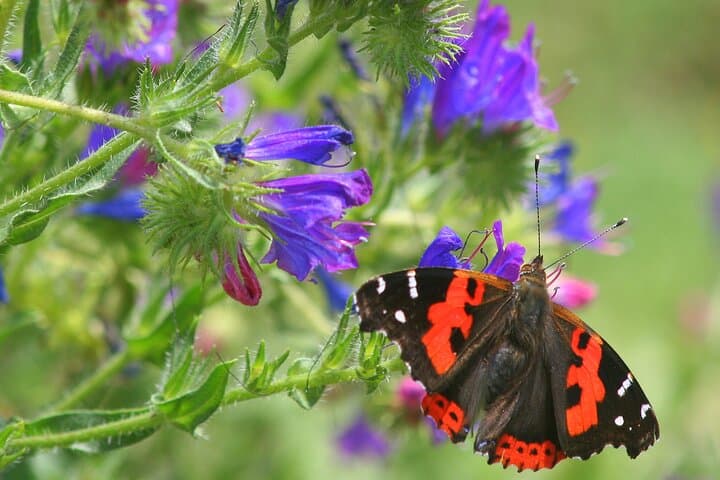
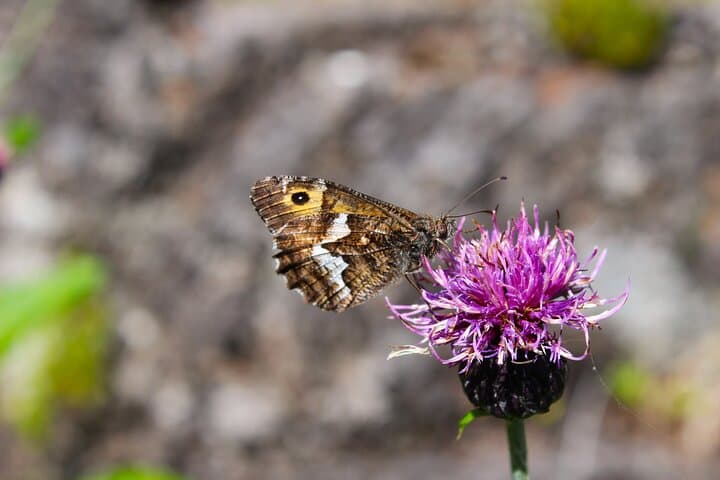
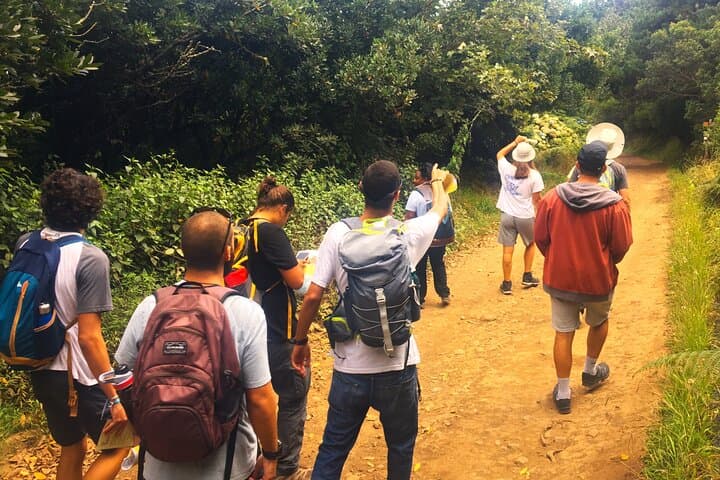
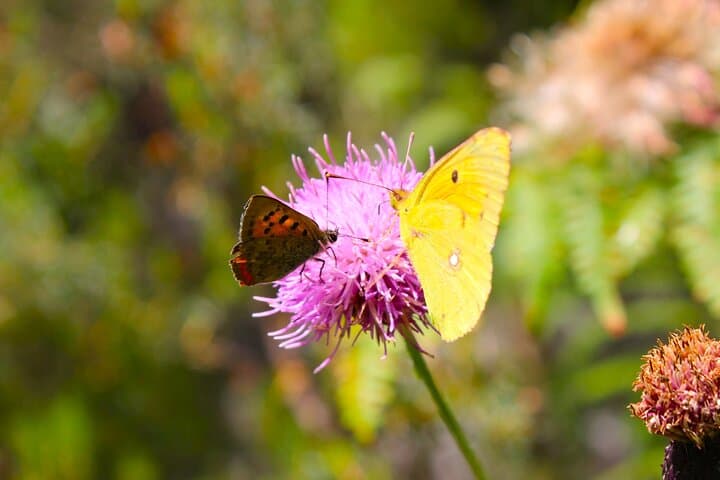
A cool Atlantic breeze moves through the laurel forest as the group gathers at a shaded trailhead above Funchal; dew beads on heathland flowers and tiny wings flash in sudden shafts of sunlight. The tour unfolds slowly—careful footsteps on levada banks and forest tracks, heads bent to catch the quick, bright flicker of an endemic butterfly as it pauses on a leaf.
A cool Atlantic breeze moves through the laurel forest as the group gathers at a shaded trailhead above Funchal; dew beads on heathland flowers and tiny wings flash in sudden shafts of sunlight. The tour unfolds slowly—careful footsteps on levada banks and forest tracks, heads bent to catch the quick, bright flicker of an endemic butterfly as it pauses on a leaf.
Madeira’s volcanic slopes and humid laurisilva (laurel) forests host several species found nowhere else in Europe, and many here are among the continent’s most threatened. The island’s rugged geology—ancient lava flows carved by erosion—creates a patchwork of microhabitats where these specialists survive. Culturally, local naturalists and guides blend island knowledge with citizen science: participants can add sightings to the Madeira Butterfly Monitoring Scheme, contributing directly to conservation records.
Expect four hours of gentle walking on narrow paths, levada towpaths, and occasional rocky sections; the itinerary includes observation material, field guides, and a guide who explains identification and habitat. Tea or coffee is typically offered during the outing.
Practical guidance: wear sturdy, closed shoes with good grip; bring binoculars and a light waterproof layer; use quiet voices and avoid touching vegetation to minimize disturbance. The tour is suitable for most fitness levels and is stroller-accessible in some sections, but uneven ground and short climbs are possible.
This experience pairs close observation with tangible conservation action—perfect for travelers who want to see rare island fauna and leave behind useful records for researchers.