THE ADVENTURE COLLECTIVE® · Independent discovery and booking for outdoor travel

A nine-day circuit from Antananarivo to Kirindy, Bekopaka and Morondava that combines canoeing, night walks, and scrambling in UNESCO-listed Tsingy de Bemaraha. Expect long drives, remote villages, and unbeatable sunset photography at Baobab Alley.
A nine-day circuit from Antananarivo to Kirindy, Bekopaka and Morondava that combines canoeing, night walks, and scrambling in UNESCO-listed Tsingy de Bemaraha. Expect long drives, remote villages, and unbeatable sunset photography at Baobab Alley.
You step off the plane into Antananarivo’s warm air and within a day you’re on a sandy track, the 4x4 surging toward Kirindy. Red earth sprays past as baobabs slow the horizon and the Manambolo River slips like a ribbon through limestone towers. Night walks here feel like entering a different clock—eyes learn the forest’s language as mouse lemurs and chameleons blink from the undergrowth.
Verified experiences and guided adventures in the surrounding area.
Operated by Le Manoro Tours · Antananarivo, Analamanga
You step off the plane into Antananarivo’s warm air and within a day you’re on a sandy track, the 4x4 surging toward Kirindy. Red earth sprays past as baobabs slow the horizon and the Manambolo River slips like a ribbon through limestone towers. Night walks here feel like entering a different clock—eyes learn the forest’s language as mouse lemurs and chameleons blink from the undergrowth.
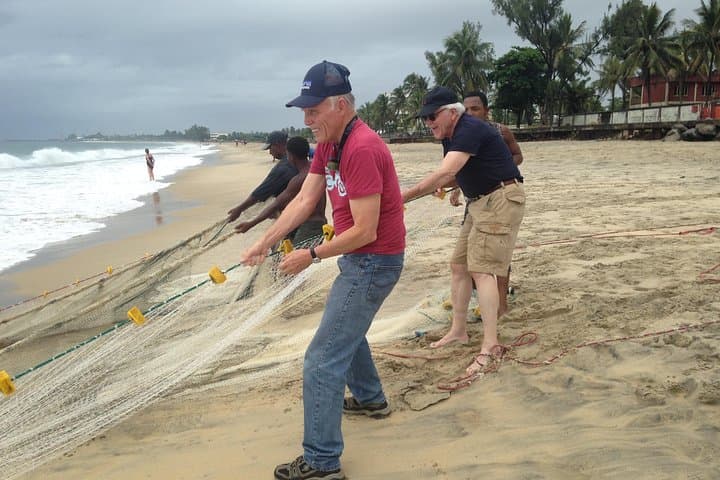
Madagascar’s western corridor is geological theatre: the Tsingy are razor-sharp karst pinnacles carved by water over millennia, while the Manambolo’s caves hold Vazimba tombs and stalactites that map ancient flows. Kirindy’s dry deciduous forest supports endemic predators like the fossa and acrobatic sifakas; Morondava’s shoreline and mangroves reflect a fishing culture shaped by seasonal tides.
Practically, expect long drives on unpaved roads, short internal flights that can shuffle your schedule, and a mix of luxury lodges and simple field camps. Great Tsingy hikes include exposed scrambling and hanging bridges—non-technical but not for those with vertigo. Canoe trips on the Manambolo are calm but require stable footing for cave landings. Carry cash for remote villages, pack layered clothing for hot days and cool nights, and bring a reliable headlamp for nocturnal searches. Guides are required in protected areas; respect marked routes and local customs at tomb sites.
This itinerary rewards travelers who like active travel: rugged landscapes, unusual wildlife, and photography moments at Baobab Alley at sunset.
moderate.
9 days.
Moderate fitness required: able to handle multi-hour hikes with short scrambles, long vehicle transfers, and uneven terrain.
The dry season (May–October) is ideal for hiking and wildlife spotting; roads are firmer and river crossings are easier.
The Great Tsingy involves exposed scrambling and hanging bridges; it’s non-technical but not recommended for those with vertigo or poor mobility—guides lead the way and provide safety briefings.
Infants are required to sit on laps and the itinerary involves long drives and some physically demanding days, so it’s better for older children used to travel.
Expect a mix: some full travel days (4–10 hours driving) and active days with several hours of hiking, canoeing, or night walks—plan for early starts and late returns during wildlife outings.
The Tsingy region contains burial sites tied to the island’s earliest inhabitants, the Vazimba; the karst formations have shaped local settlement and sacred landscapes for centuries.
Tsingy de Bemaraha is a UNESCO World Heritage Site with strict trail limits and mandatory guides; visitors should stick to paths to protect fragile limestone formations and endemic species.
Le Manoro Tours operates guided outdoor trips and adventures with an emphasis on safety, stewardship, and memorable experiences.


You step off the plane into Antananarivo’s warm air and within a day you’re on a sandy track, the 4x4 surging toward Kirindy. Red earth sprays past as baobabs slow the horizon and the Manambolo River slips like a ribbon through limestone towers. Night walks here feel like entering a different clock—eyes learn the forest’s language as mouse lemurs and chameleons blink from the undergrowth.
You step off the plane into Antananarivo’s warm air and within a day you’re on a sandy track, the 4x4 surging toward Kirindy. Red earth sprays past as baobabs slow the horizon and the Manambolo River slips like a ribbon through limestone towers. Night walks here feel like entering a different clock—eyes learn the forest’s language as mouse lemurs and chameleons blink from the undergrowth.
Madagascar’s western corridor is geological theatre: the Tsingy are razor-sharp karst pinnacles carved by water over millennia, while the Manambolo’s caves hold Vazimba tombs and stalactites that map ancient flows. Kirindy’s dry deciduous forest supports endemic predators like the fossa and acrobatic sifakas; Morondava’s shoreline and mangroves reflect a fishing culture shaped by seasonal tides.
Practically, expect long drives on unpaved roads, short internal flights that can shuffle your schedule, and a mix of luxury lodges and simple field camps. Great Tsingy hikes include exposed scrambling and hanging bridges—non-technical but not for those with vertigo. Canoe trips on the Manambolo are calm but require stable footing for cave landings. Carry cash for remote villages, pack layered clothing for hot days and cool nights, and bring a reliable headlamp for nocturnal searches. Guides are required in protected areas; respect marked routes and local customs at tomb sites.
This itinerary rewards travelers who like active travel: rugged landscapes, unusual wildlife, and photography moments at Baobab Alley at sunset.