THE ADVENTURE COLLECTIVE® · Independent discovery and booking for outdoor travel

An eight-day loop from Nosy Be through red tsingy, Montagne d'Ambre and Ankarana combines dramatic geology with endemic wildlife and aromatic Ylang-Ylang culture. Expect short boat hops, dusty drives and moderate hikes suited to travelers with a steady level of fitness.
An eight-day loop from Nosy Be through red tsingy, Montagne d'Ambre and Ankarana combines dramatic geology with endemic wildlife and aromatic Ylang-Ylang culture. Expect short boat hops, dusty drives and moderate hikes suited to travelers with a steady level of fitness.
Landing in Nosy Be, the Mozambique Channel spreads a hot, reflective sheet beneath the plane; you taste salt in the air and hear boats already cutting the horizon. A local driver meets you, luggage shuffles into a speedboat, and the island chain slides past—mangrove fringes, smoke from ylang-ylang distilleries, and fishermen hauling nets.
Verified experiences and guided adventures in the surrounding area.
Operated by Continent Tours · Nosy Be, Diana
Landing in Nosy Be, the Mozambique Channel spreads a hot, reflective sheet beneath the plane; you taste salt in the air and hear boats already cutting the horizon. A local driver meets you, luggage shuffles into a speedboat, and the island chain slides past—mangrove fringes, smoke from ylang-ylang distilleries, and fishermen hauling nets.
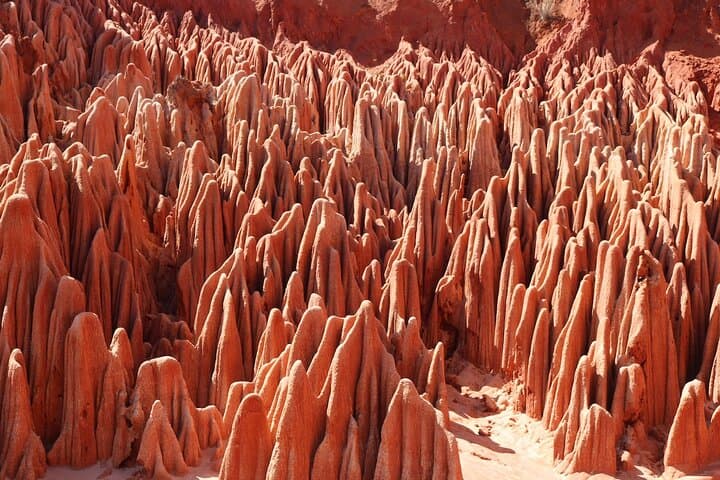
Across eight days the route stitches together distinct northern Madagascar worlds: red laterite pinnacles at the Red Tsingy, the volcanic, forested massif of Montagne d'Ambre, and the ancient karst canyons and caves of Ankarana. Geology here is obvious—iron-rich soils make the tsingy blush red; Ankarana’s limestone was shaped by underground rivers over millions of years. Culture and commerce come in fragrant forms: ylang-ylang and vanilla farms still power local livelihoods and influence global perfumery.
Days alternate between short coastal crossings, dusty drives and moderate hikes through rainforest and limestone plateaus. Wildlife moves with intent—Sanford’s brown lemur will watch you from the canopy while chameleons freeze on a branch like living ornaments. Expect variable footing, occasional steep steps in caves, and boat transfers that can be brisk in open water.
Plan for practicality: the dry season (May–October) gives the steadiest trails and calmest seas; wet months make canyons slick and increase insects. Pack a reliable rain shell, insect repellent, sturdy shoes, and local currency for markets and small services. This itinerary rewards travelers with moderate fitness who want concentrated exposure to Madagascar’s unique geology, endemic wildlife and island culture in a compact, action-packed eight days.
moderate.
8 days.
Moderate fitness—comfortable with daily 2–4 hour hikes, short climbs and transfers on bumpy roads.
Ankarana and Montagne d'Ambre have remote sections reached by unpaved roads; expect hour-long drives on rough surfaces and limited facilities in park zones.
The dry season (May–October) offers more reliable trails, clearer skies and easier boat conditions, while the wet season can improve frog and butterfly displays but makes walking slippery.
No wildlife can be guaranteed, but guides increase chances by visiting active habitats at dawn and along known feeding routes; patience and quiet observation help.
Speak with a travel clinic before departure; routine vaccinations are recommended and antimalarial prophylaxis is commonly advised for northern Madagascar.
Northern Madagascar’s coastal towns grew from spice and trade routes; Ylang-ylang distillation and vanilla cultivation remain important cultural and economic staples.
Habitat fragmentation and pressure on endemic species are ongoing concerns—stick to trails, avoid feeding wildlife, and support local guides and lodges that follow sustainable practices.
Continent Tours operates guided outdoor trips and adventures with an emphasis on safety, stewardship, and memorable experiences.


Landing in Nosy Be, the Mozambique Channel spreads a hot, reflective sheet beneath the plane; you taste salt in the air and hear boats already cutting the horizon. A local driver meets you, luggage shuffles into a speedboat, and the island chain slides past—mangrove fringes, smoke from ylang-ylang distilleries, and fishermen hauling nets.
Landing in Nosy Be, the Mozambique Channel spreads a hot, reflective sheet beneath the plane; you taste salt in the air and hear boats already cutting the horizon. A local driver meets you, luggage shuffles into a speedboat, and the island chain slides past—mangrove fringes, smoke from ylang-ylang distilleries, and fishermen hauling nets.
Across eight days the route stitches together distinct northern Madagascar worlds: red laterite pinnacles at the Red Tsingy, the volcanic, forested massif of Montagne d'Ambre, and the ancient karst canyons and caves of Ankarana. Geology here is obvious—iron-rich soils make the tsingy blush red; Ankarana’s limestone was shaped by underground rivers over millions of years. Culture and commerce come in fragrant forms: ylang-ylang and vanilla farms still power local livelihoods and influence global perfumery.
Days alternate between short coastal crossings, dusty drives and moderate hikes through rainforest and limestone plateaus. Wildlife moves with intent—Sanford’s brown lemur will watch you from the canopy while chameleons freeze on a branch like living ornaments. Expect variable footing, occasional steep steps in caves, and boat transfers that can be brisk in open water.
Plan for practicality: the dry season (May–October) gives the steadiest trails and calmest seas; wet months make canyons slick and increase insects. Pack a reliable rain shell, insect repellent, sturdy shoes, and local currency for markets and small services. This itinerary rewards travelers with moderate fitness who want concentrated exposure to Madagascar’s unique geology, endemic wildlife and island culture in a compact, action-packed eight days.