THE ADVENTURE COLLECTIVE® · Independent discovery and booking for outdoor travel

Traverse Madagascar from Antananarivo to Morondava and Bekopaka on a nine-day family safari that combines baobab-lined sunsets, Kirindy wildlife, and the otherworldly Tsingy limestone labyrinth. Expect long drives, river crossings, and guided hikes suited to moderately fit travelers.
Traverse Madagascar from Antananarivo to Morondava and Bekopaka on a nine-day family safari that combines baobab-lined sunsets, Kirindy wildlife, and the otherworldly Tsingy limestone labyrinth. Expect long drives, river crossings, and guided hikes suited to moderately fit travelers.
You step off the plane into Antananarivo’s humid air and the rhythm of Malagasy life—minibuses threading narrow streets, lacquered rice terraces on distant slopes, and the promise of a road trip west across the island.
Verified experiences and guided adventures in the surrounding area.
Operated by Travel China Guide · Antananarivo, Analamanga
You step off the plane into Antananarivo’s humid air and the rhythm of Malagasy life—minibuses threading narrow streets, lacquered rice terraces on distant slopes, and the promise of a road trip west across the island.
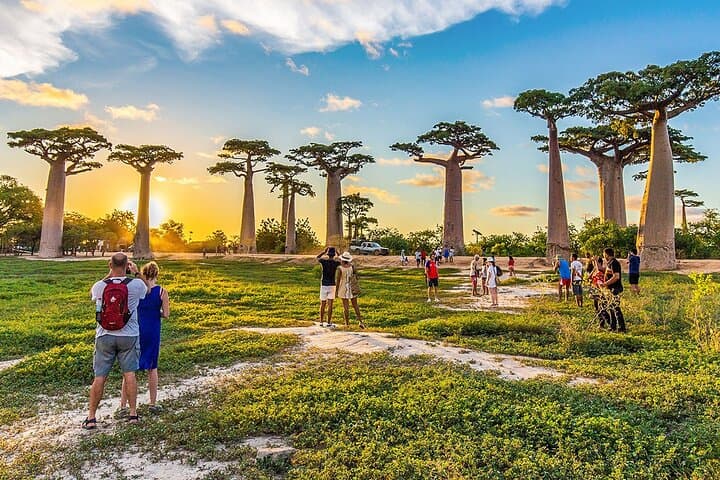
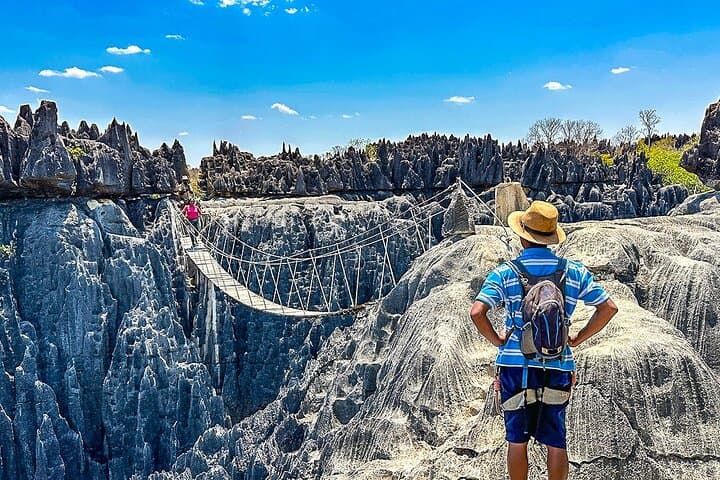
Over nine days you move from city to coast to karst wilderness: a short domestic flight to Morondava, a dusk visit to the Avenue of the Baobabs, a dawn exploration of Kirindy’s dry forest where fossas prowl and lemurs blink through branches, then a river crossing and a rough overland push to the limestone cathedral of Tsingy de Bemaraha.
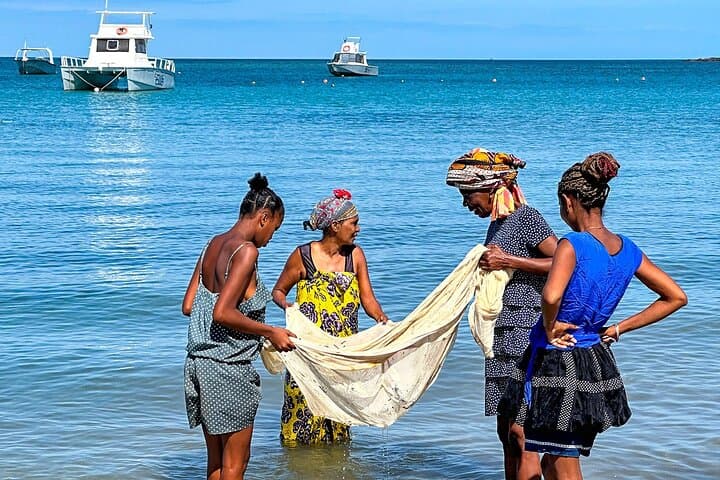
Geology here is dramatic: Tsingy’s razor-edged limestone pinnacles formed by millennia of tropical erosion, while the Baobabs are living reservoirs—stout trunks storing water in a landscape of seasonal extremes. Culturally, the tour touches Sakalava coastal towns and highland Malagasy markets; local guides translate not just language but livelihoods.
Practical guidance: the trip is active but family-friendly—expect long drives (Morondava–Bekopaka involves river ferries and rough 4–6 hour stretches) and some scrambling on fixed trails in the Tsingy. Wear sturdy hiking shoes with good ankle support, bring insect repellent, sun protection, and a light rain jacket during the wet season. Cash (Malagasy Ariary) is essential in smaller towns; carry photocopies of passports and confirm internal flight times.
Timing matters: dry months make Tsingy accessible; rainy months can close forest tracks. Respect park rules, follow local guides on narrow routes, and pack an extra battery for your camera—the landscapes are relentless in their beauty.
moderate.
9 days.
Moderate fitness for multi-hour drives, short hikes and some scrambling on limestone; suitable for active families.
Yes—it's designed as a family safari with moderate activity levels, but expect long vehicle transfers; bring entertainment and breaks for younger children.
Consult a travel health clinic before departure; routine vaccines and malaria prevention are commonly recommended for Madagascar.
The itinerary includes domestic flights (e.g., Antananarivo–Morondava); flights can be affected by weather—book flexible onward plans and confirm times locally.
Yes—Analamazaotra (Andasibe), Vakona and reserve islands allow close encounters with habituated lemurs, while Kirindy and Tsingy offer wild sightings guided by local rangers.
The trip touches Sakalava coastal culture and the highland Merina influence around Antananarivo; royal sites like Ambohimanga reflect Madagascar’s pre-colonial kingdoms.
Tsingy and several reserves are UNESCO-protected areas; follow park rules to limit erosion and disturbance, and prefer lodges that support local communities.
Travel China Guide operates guided outdoor trips and adventures with an emphasis on safety, stewardship, and memorable experiences.

You step off the plane into Antananarivo’s humid air and the rhythm of Malagasy life—minibuses threading narrow streets, lacquered rice terraces on distant slopes, and the promise of a road trip west across the island.
You step off the plane into Antananarivo’s humid air and the rhythm of Malagasy life—minibuses threading narrow streets, lacquered rice terraces on distant slopes, and the promise of a road trip west across the island.
Over nine days you move from city to coast to karst wilderness: a short domestic flight to Morondava, a dusk visit to the Avenue of the Baobabs, a dawn exploration of Kirindy’s dry forest where fossas prowl and lemurs blink through branches, then a river crossing and a rough overland push to the limestone cathedral of Tsingy de Bemaraha.
Geology here is dramatic: Tsingy’s razor-edged limestone pinnacles formed by millennia of tropical erosion, while the Baobabs are living reservoirs—stout trunks storing water in a landscape of seasonal extremes. Culturally, the tour touches Sakalava coastal towns and highland Malagasy markets; local guides translate not just language but livelihoods.
Practical guidance: the trip is active but family-friendly—expect long drives (Morondava–Bekopaka involves river ferries and rough 4–6 hour stretches) and some scrambling on fixed trails in the Tsingy. Wear sturdy hiking shoes with good ankle support, bring insect repellent, sun protection, and a light rain jacket during the wet season. Cash (Malagasy Ariary) is essential in smaller towns; carry photocopies of passports and confirm internal flight times.
Timing matters: dry months make Tsingy accessible; rainy months can close forest tracks. Respect park rules, follow local guides on narrow routes, and pack an extra battery for your camera—the landscapes are relentless in their beauty.