THE ADVENTURE COLLECTIVE® · Independent discovery and booking for outdoor travel

Drive from Amman to Madaba’s ancient mosaics and climb to Mount Nebo for sweeping views of the Jordan Valley and Dead Sea. This 5–7 hour day tour pairs compact archaeology with accessible viewpoints and practical local insights.
Drive from Amman to Madaba’s ancient mosaics and climb to Mount Nebo for sweeping views of the Jordan Valley and Dead Sea. This 5–7 hour day tour pairs compact archaeology with accessible viewpoints and practical local insights.
You step out of Amman's morning haze and the road opens toward rolling limestone hills. In the space between city and desert, Madaba's low stone houses and church domes appear, their worn faces guarding a 6th-century floor map that still points to distant Jerusalem.
Verified experiences and guided adventures in the surrounding area.
Operated by R&H VIP Transportation Services · Madaba, Madaba Governorate
You step out of Amman's morning haze and the road opens toward rolling limestone hills. In the space between city and desert, Madaba's low stone houses and church domes appear, their worn faces guarding a 6th-century floor map that still points to distant Jerusalem.
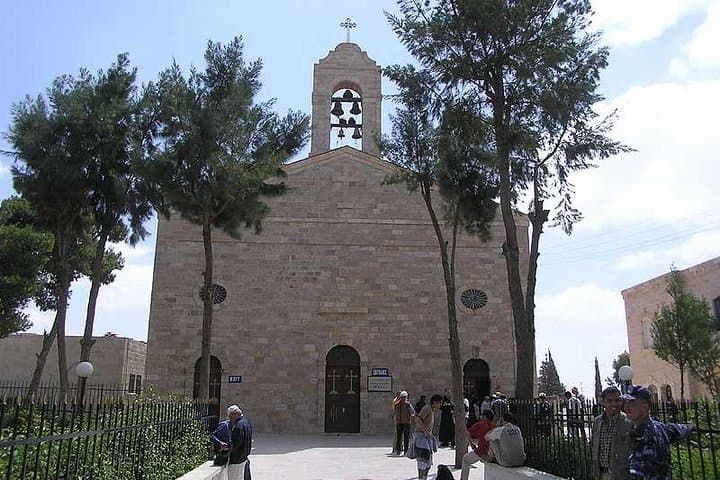
Madaba is best known for the Madaba Mosaic Map in St. George’s Church — a Byzantine-era cartographic marvel unearthed in the 19th century that depicts cities, rivers and coastlines of the Holy Land. Nearby, the St. John the Baptist Roman Catholic Church offers quieter 19th-century stonework and stained glass that reflect Jordan’s layered Christian heritage.
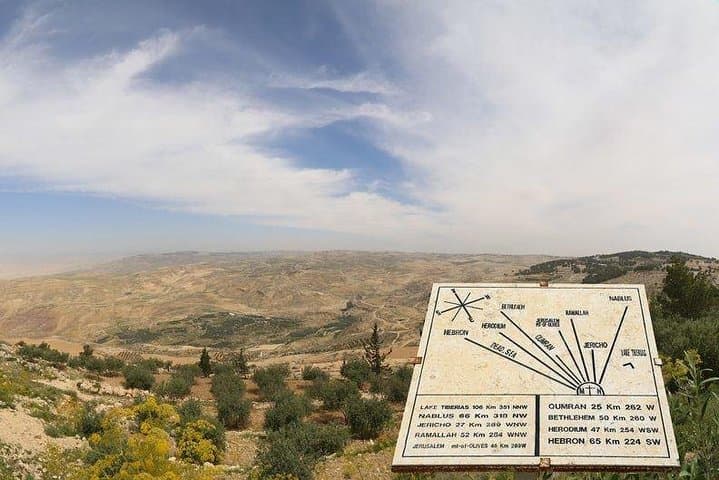
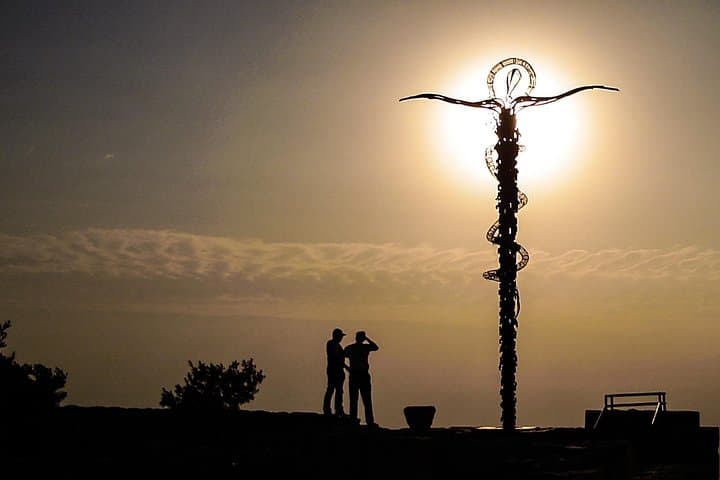
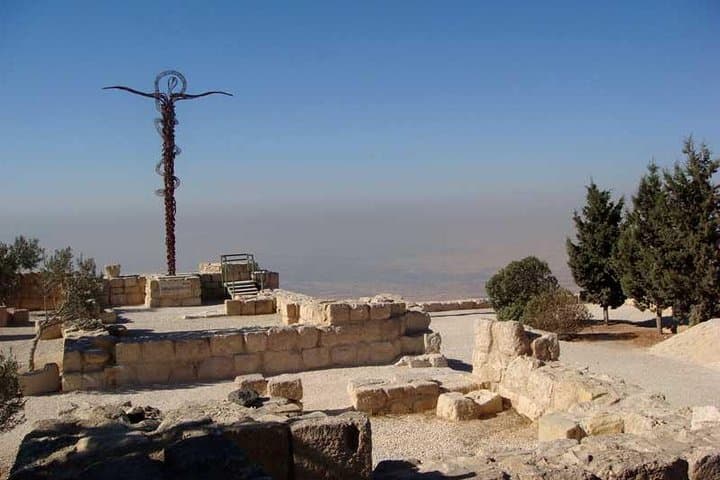
A short drive climbs to Mount Nebo, where tradition holds that Moses stood and viewed the Promised Land. The site combines sweeping views of the Jordan Valley, the Dead Sea and the Judean Hills with archaeological remains: a 4th–6th century Byzantine church complex and vivid floor mosaics featuring peacocks and hunting scenes. Geologically, you move from fertile valley terraces to the exposed limestone and chert of the escarpment that frames the Dead Sea basin.
Practical guidance: the full loop takes about 5–7 hours with hotel pickup in Amman, air-conditioned transport, bottled water and optional local guides. Walking is mostly short, paved or compacted stone paths; mosaic floors can be uneven—good walking shoes and sun protection matter. Modest dress is requested inside churches; morning or late-afternoon light improves views and photography. The tour is accessible to most travelers and offers a compact mix of cultural history, easy hiking and panoramas — ideal for a single-day cultural reconnaissance of central Jordan.
easy.
5–7 hours.
Suitable for most fitness levels; involves short walks on uneven surfaces and some standing during site visits.
Expect a 5–7 hour round trip from central Amman with private air-conditioned transport, bottled water, hotel pickup and drop-off; optional local guides and some entry fees may be additional.
Yes — the itinerary involves short walks on mostly paved or compacted surfaces; entry points are wheelchair accessible in parts, but some mosaic areas have steps or uneven ground.
Not usually; many sites accept on-the-spot entry but guided access to St. George’s Church or Mount Nebo mosaics may require separate fees depending on the operator.
Morning or late afternoon provides the clearest light and cooler temperatures; early visits also tend to be less crowded and offer better visibility across the Jordan Valley.
Madaba’s mosaics date mainly from the Byzantine period (4th–6th centuries AD) and the Mount Nebo church complex preserves floor mosaics from excavations of the same era.
Sites are sensitive to foot traffic and humidity; stick to marked paths, avoid touching mosaics and support local conservation by following site rules and using licensed guides.
R&H VIP Transportation Services operates guided outdoor trips and adventures with an emphasis on safety, stewardship, and memorable experiences.
You step out of Amman's morning haze and the road opens toward rolling limestone hills. In the space between city and desert, Madaba's low stone houses and church domes appear, their worn faces guarding a 6th-century floor map that still points to distant Jerusalem.
You step out of Amman's morning haze and the road opens toward rolling limestone hills. In the space between city and desert, Madaba's low stone houses and church domes appear, their worn faces guarding a 6th-century floor map that still points to distant Jerusalem.
Madaba is best known for the Madaba Mosaic Map in St. George’s Church — a Byzantine-era cartographic marvel unearthed in the 19th century that depicts cities, rivers and coastlines of the Holy Land. Nearby, the St. John the Baptist Roman Catholic Church offers quieter 19th-century stonework and stained glass that reflect Jordan’s layered Christian heritage.
A short drive climbs to Mount Nebo, where tradition holds that Moses stood and viewed the Promised Land. The site combines sweeping views of the Jordan Valley, the Dead Sea and the Judean Hills with archaeological remains: a 4th–6th century Byzantine church complex and vivid floor mosaics featuring peacocks and hunting scenes. Geologically, you move from fertile valley terraces to the exposed limestone and chert of the escarpment that frames the Dead Sea basin.
Practical guidance: the full loop takes about 5–7 hours with hotel pickup in Amman, air-conditioned transport, bottled water and optional local guides. Walking is mostly short, paved or compacted stone paths; mosaic floors can be uneven—good walking shoes and sun protection matter. Modest dress is requested inside churches; morning or late-afternoon light improves views and photography. The tour is accessible to most travelers and offers a compact mix of cultural history, easy hiking and panoramas — ideal for a single-day cultural reconnaissance of central Jordan.