THE ADVENTURE COLLECTIVE® · Independent discovery and booking for outdoor travel

A half-day guided trek from Quilín Metro into Quebrada de Macul that mixes native forest, city-overlook viewpoints and a cascaded rest at San Juan waterfall. Ideal for travelers wanting accessible nature and flora-focused interpretation.
A half-day guided trek from Quilín Metro into Quebrada de Macul that mixes native forest, city-overlook viewpoints and a cascaded rest at San Juan waterfall. Ideal for travelers wanting accessible nature and flora-focused interpretation.
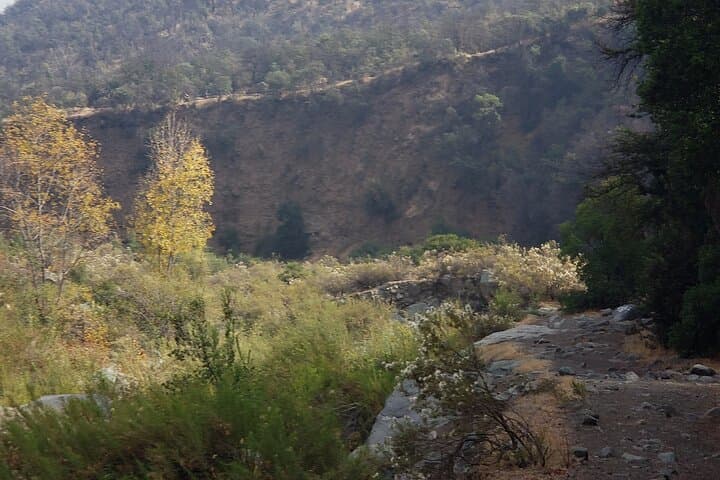
Morning in the Quebrada de Macul starts with city noise thinning to a distant hum as the trail lifts away from Quilín Metro and into a band of dry forest.
Verified experiences and guided adventures in the surrounding area.
Operated by Treburu · Santiago, Santiago Metropolitan Region
Morning in the Quebrada de Macul starts with city noise thinning to a distant hum as the trail lifts away from Quilín Metro and into a band of dry forest.
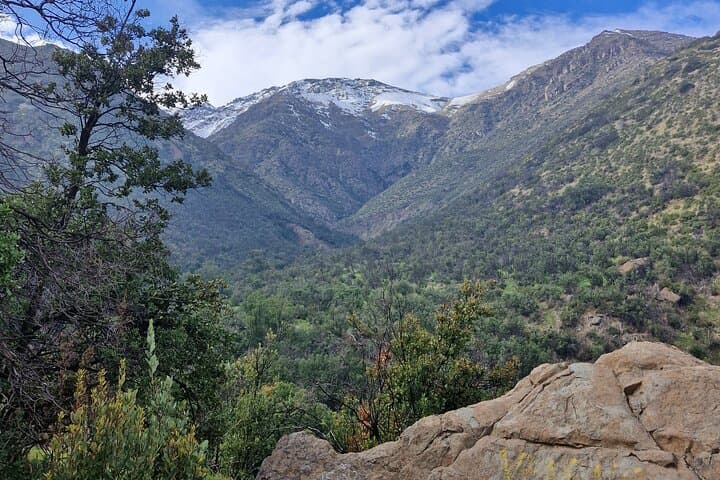
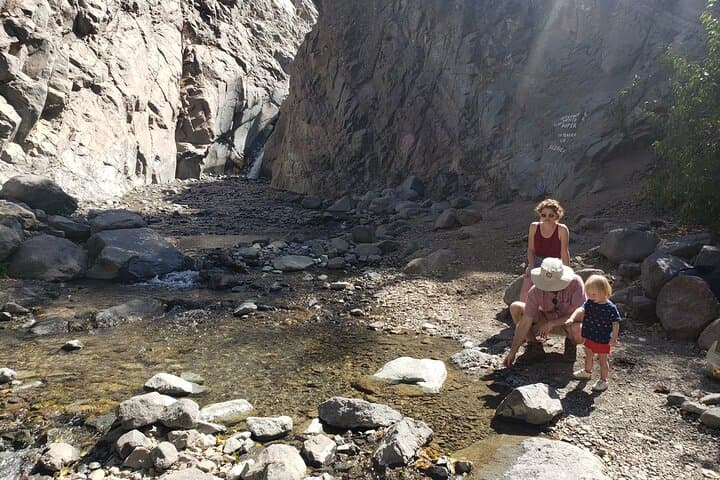
You step under canopies of litre, maitén and peumo; the slope opens to sudden ledges that show Santiago spread below, the Andes walling the horizon. The San Juan waterfall interrupts the path — water that still dares the dry season — and serves as the day's natural rest stop.
Geologically the gorge is a cut in the coastal foothills, soils thin and rocky, shaped by seasonal torrents that carve channels and feed spring lines. Culturally this green pocket has fed and sheltered generations around Santiago; the flora has traditional uses and the park is a modern refuge for native species and local outdoor recreation.
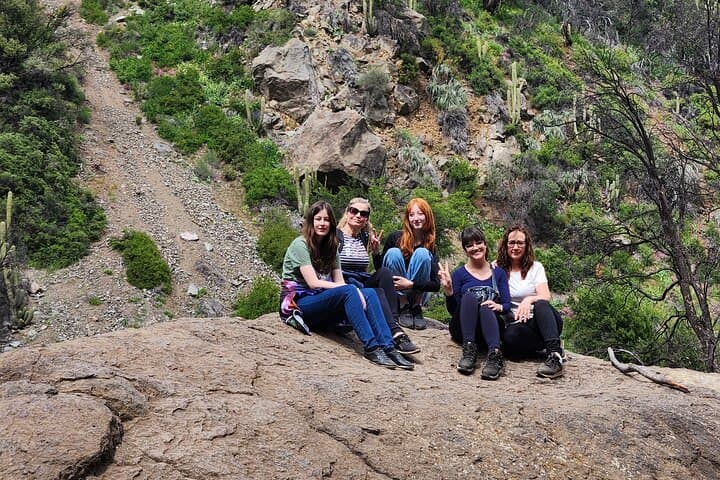
Expect 6 hours of guided walking over uneven dirt tracks, occasional rock steps and viewpoints. Flora ID and natural-history interpretation are part of the route; guides point out native medicinal trees and birds of prey that hunt the thermals.
Practical edge: start early to avoid midday heat, wear grippy trail shoes and bring at least 1–1.5 liters of water and sun protection. The trail gains and drops in short bursts but nothing alpine — fitness at a moderate level keeps the outing enjoyable. Leave no trace: the ecosystem is resilient but fragile; stick to trails and pack out all waste.
For city travelers this trek is a straightforward way to trade urban concrete for native forest without an all-day drive — ideal for half-day immersion in Chile’s central-zone landscapes.
moderate.
6 hours.
Suitable for people who can handle 6 hours of hiking at a steady, moderate pace with short steep sections
Moderate fitness is recommended — expect up to six hours on dirt trails with short steep sections but no technical climbing.
Yes — pickup at Quilín Metro Station is included as private transportation in the tour package.
Facilities are limited; the route includes a snack break at San Juan waterfall, so bring personal supplies if you need more.
Yes — eagles and various passerines are commonly seen; mammals are rarer but small fauna is present in the park.
Quebrada de Macul has long been a peri-urban green corridor for Santiago; its native trees have traditional medicinal and utility uses and the area has become a protected recreational space in recent decades.
The park is sensitive to erosion and fire in the dry season; stay on marked trails, avoid smoking and pack out trash to protect native vegetation.
Treburu operates guided outdoor trips and adventures with an emphasis on safety, stewardship, and memorable experiences.
Morning in the Quebrada de Macul starts with city noise thinning to a distant hum as the trail lifts away from Quilín Metro and into a band of dry forest.
Morning in the Quebrada de Macul starts with city noise thinning to a distant hum as the trail lifts away from Quilín Metro and into a band of dry forest.
You step under canopies of litre, maitén and peumo; the slope opens to sudden ledges that show Santiago spread below, the Andes walling the horizon. The San Juan waterfall interrupts the path — water that still dares the dry season — and serves as the day's natural rest stop.
Geologically the gorge is a cut in the coastal foothills, soils thin and rocky, shaped by seasonal torrents that carve channels and feed spring lines. Culturally this green pocket has fed and sheltered generations around Santiago; the flora has traditional uses and the park is a modern refuge for native species and local outdoor recreation.
Expect 6 hours of guided walking over uneven dirt tracks, occasional rock steps and viewpoints. Flora ID and natural-history interpretation are part of the route; guides point out native medicinal trees and birds of prey that hunt the thermals.
Practical edge: start early to avoid midday heat, wear grippy trail shoes and bring at least 1–1.5 liters of water and sun protection. The trail gains and drops in short bursts but nothing alpine — fitness at a moderate level keeps the outing enjoyable. Leave no trace: the ecosystem is resilient but fragile; stick to trails and pack out all waste.
For city travelers this trek is a straightforward way to trade urban concrete for native forest without an all-day drive — ideal for half-day immersion in Chile’s central-zone landscapes.