THE ADVENTURE COLLECTIVE® · Independent discovery and booking for outdoor travel

Explore the miniature wonders of Cairns Botanic Gardens on a guided macro photography walk. Small groups, expert instruction, and close encounters with insects, fungi and frogs make this a unique morning for photographers of all levels.
Explore the miniature wonders of Cairns Botanic Gardens on a guided macro photography walk. Small groups, expert instruction, and close encounters with insects, fungi and frogs make this a unique morning for photographers of all levels.
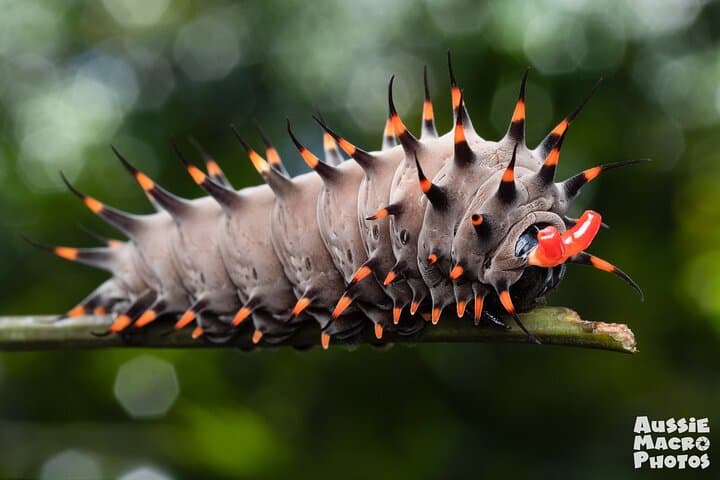
You step onto a shaded path at 8:30 a.m., camera in hand, and the gardens shrink into a world of small things: dew-laced spider webs trembling like tiny suspension bridges, iridescent beetles pausing on palm fronds, and mushrooms pushing through leaf litter as if to be photographed.
Verified experiences and guided adventures in the surrounding area.
Operated by Aussie Macro Photos · Cairns, Queensland
You step onto a shaded path at 8:30 a.m., camera in hand, and the gardens shrink into a world of small things: dew-laced spider webs trembling like tiny suspension bridges, iridescent beetles pausing on palm fronds, and mushrooms pushing through leaf litter as if to be photographed.
The Cairns Botanic Gardens sits as a working collection of tropical plants and research plots, where curated lawns meet remnant rainforest pockets. Geologically the site rests on low coastal plains shaped by reef and river systems; botanically it’s a living classroom for plants adapted to high humidity and strong seasonal rains. Culturally the gardens are a long-standing public resource for education, conservation and local botanical study.
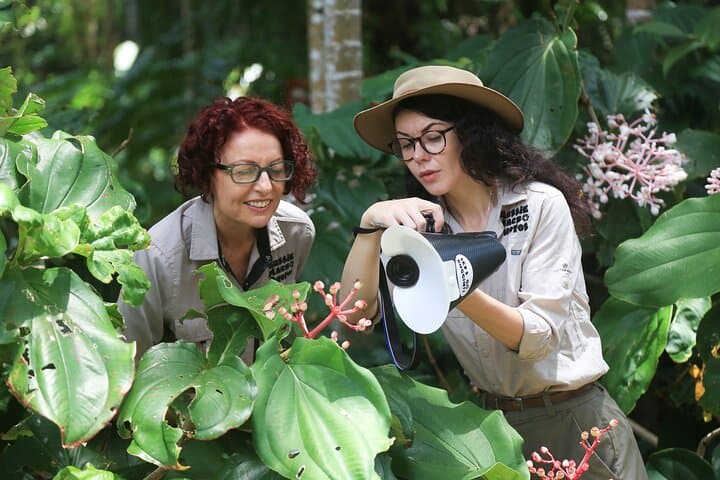
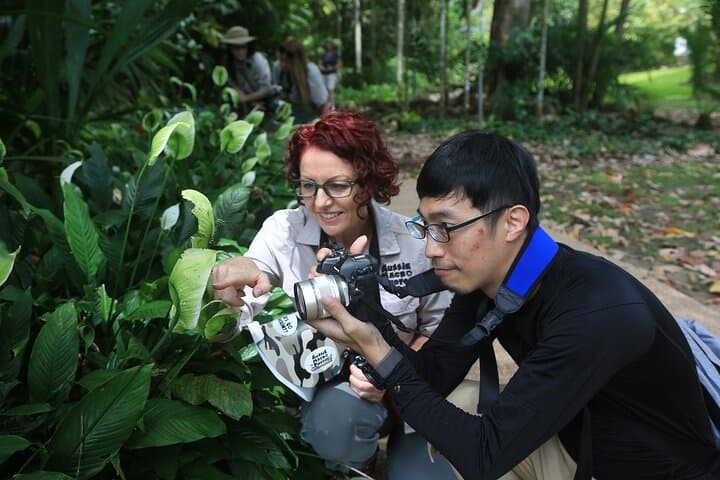
On a two-hour guided walk led by experienced macro photographers, attention shifts: textures sharpen, colors intensify, and ordinary leaves become stages for frogs, arachnids, and fungi. Guides teach composition and camera settings for close-up work and can help with camera hire and equipment setup.
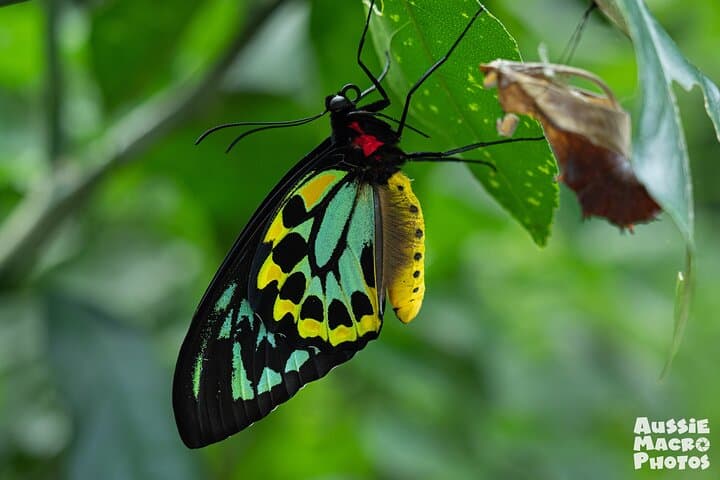
Practical side: paths are mostly paved or packed earth and suitable for all fitness levels; wheelchair access is available. Morning light and higher humidity yield the best subject activity and saturated colors. Expect humid conditions and a flurry of tiny subjects—bees, butterflies, tree frogs and spiders—so move slowly and watch your shadow.
Bring water, a close-focus lens or extension tubes, spare batteries, and patience. Respect the plants and creatures: no handling, minimal disturbance, and leave spots as you found them. The result is more than photos—it's a shifted way of seeing a busy, miniature ecosystem.
easy.
2 hours.
Suitable for all fitness levels; participants should be able to walk short distances on paved or packed trails and stand or crouch for close-up shots.
Yes; the operator offers three levels of camera hire (beginner to advanced). Reserve in advance to ensure availability and mention your skill level.
Yes; guides provide camera-setting help and composition tips, making it accessible to photographers new to macro work.
The gardens and this tour are advertised as wheelchair accessible; contact the operator ahead for any specific mobility needs.
Expect insects, spiders, tree frogs, various fungi and occasional butterflies—subject activity is highest in the humid morning hours.
The Cairns Botanic Gardens function as a long-established tropical collection and public education site, supporting plant research and conservation in northern Queensland.
Follow garden rules: stay on paths, avoid handling wildlife, and pack out any trash; these practices support conservation and ongoing research programs.
Aussie Macro Photos operates guided outdoor trips and adventures with an emphasis on safety, stewardship, and memorable experiences.
You step onto a shaded path at 8:30 a.m., camera in hand, and the gardens shrink into a world of small things: dew-laced spider webs trembling like tiny suspension bridges, iridescent beetles pausing on palm fronds, and mushrooms pushing through leaf litter as if to be photographed.
You step onto a shaded path at 8:30 a.m., camera in hand, and the gardens shrink into a world of small things: dew-laced spider webs trembling like tiny suspension bridges, iridescent beetles pausing on palm fronds, and mushrooms pushing through leaf litter as if to be photographed.
The Cairns Botanic Gardens sits as a working collection of tropical plants and research plots, where curated lawns meet remnant rainforest pockets. Geologically the site rests on low coastal plains shaped by reef and river systems; botanically it’s a living classroom for plants adapted to high humidity and strong seasonal rains. Culturally the gardens are a long-standing public resource for education, conservation and local botanical study.
On a two-hour guided walk led by experienced macro photographers, attention shifts: textures sharpen, colors intensify, and ordinary leaves become stages for frogs, arachnids, and fungi. Guides teach composition and camera settings for close-up work and can help with camera hire and equipment setup.
Practical side: paths are mostly paved or packed earth and suitable for all fitness levels; wheelchair access is available. Morning light and higher humidity yield the best subject activity and saturated colors. Expect humid conditions and a flurry of tiny subjects—bees, butterflies, tree frogs and spiders—so move slowly and watch your shadow.
Bring water, a close-focus lens or extension tubes, spare batteries, and patience. Respect the plants and creatures: no handling, minimal disturbance, and leave spots as you found them. The result is more than photos—it's a shifted way of seeing a busy, miniature ecosystem.