THE ADVENTURE COLLECTIVE® · Independent discovery and booking for outdoor travel

A compact 5-day circuit from Cusco through the Sacred Valley to sunrise at Machu Picchu. Expect guided archaeological tours, market visits, a scenic train to Aguas Calientes and practical high‑altitude walking.
A compact 5-day circuit from Cusco through the Sacred Valley to sunrise at Machu Picchu. Expect guided archaeological tours, market visits, a scenic train to Aguas Calientes and practical high‑altitude walking.
Dawn unspools over the Urubamba Valley as the coach drops you into Cusco's stone-grid streets and the air sharpens with altitude. Daylight in this highland city reveals Spanish colonial balconies and Inca stonework that seem to press history into the pavement. Over five days you'll move through market squares, terraced slopes and finally the cloud-hemmed stairways of Machu Picchu.
Verified experiences and guided adventures in the surrounding area.
Operated by Valencia Travel Agency S.a.c. · Aguas Calientes, Cusco
Dawn unspools over the Urubamba Valley as the coach drops you into Cusco's stone-grid streets and the air sharpens with altitude. Daylight in this highland city reveals Spanish colonial balconies and Inca stonework that seem to press history into the pavement. Over five days you'll move through market squares, terraced slopes and finally the cloud-hemmed stairways of Machu Picchu.
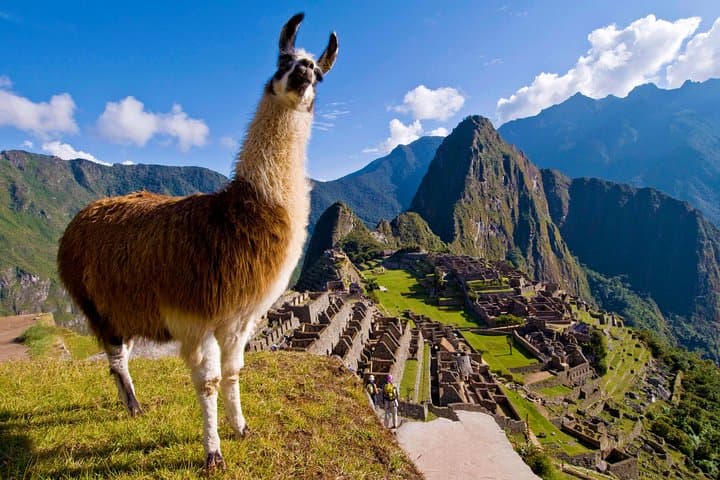
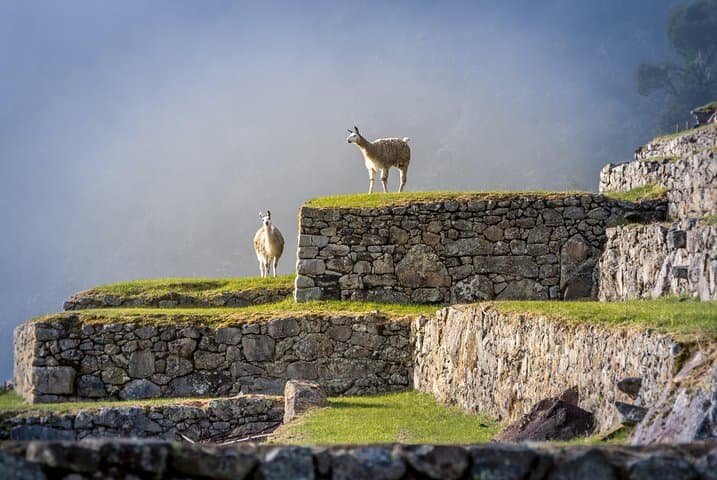
The itinerary threads together the Inca heartland: Cusco's Coricancha solar temple, Pisac's colorful market, the living town and fortress of Ollantaytambo, and the train ride up the river gorge to Aguas Calientes. Geologically the region is young Andes — folded volcanic and sedimentary layers carved by the Vilcanota/Urubamba, leaving steep terraces that the Incas engineered for farming. Culturally expect Quechua-speaking communities, textile workshops and markets where bartering is part conversation, part performance.
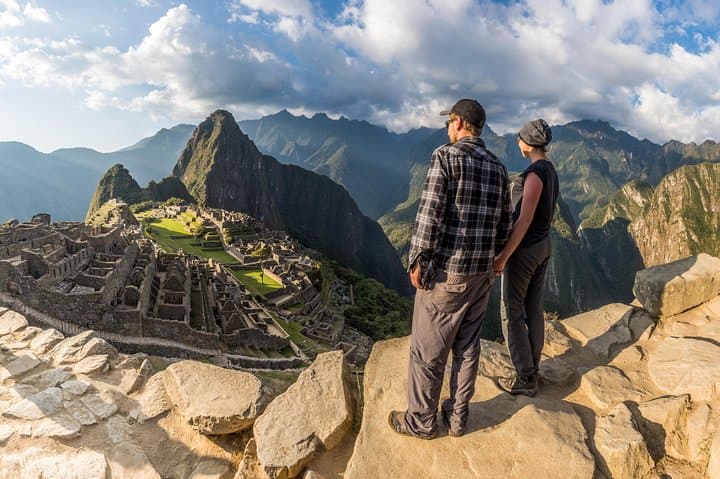
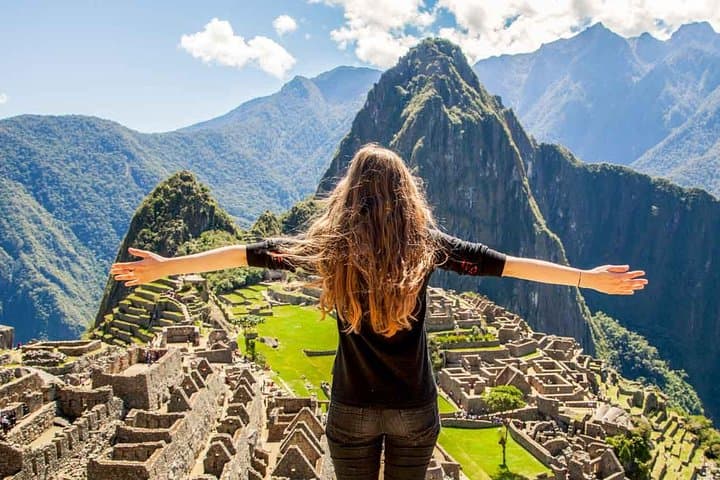
Practically, this is a moderate-altitude walking tour: expect short guided walks, stairways and uneven stonework at 2,900–3,400 m in the Sacred Valley and nearly 2,000 m at Aguas Calientes before the final climb by bus to Machu Picchu at ~2,430 m. Mornings are best for light and fewer clouds; pack layers, a rain shell and sturdy shoes. Hydrate and pace yourself the first 48 hours to reduce altitude effects. Trains and Machu Picchu entry are timed; keep tickets and passport details ready. Guides handle logistics and transfers, but bring cash for markets and tips. When the sun breaks through the mist at Machu Picchu, the terraces and ramparts feel alive—rocks that once regulated water now frame a landscape that pushes you forward to explore.
moderate.
5 days (daily 3–8 hours including transit).
Good baseline fitness for walking on uneven stone and stairs at altitude; comfortable with several hours on your feet.
Visa requirements depend on your nationality; check Peruvian immigration rules before booking and ensure your passport is valid for at least six months.
Yes, the tour includes entrance fees to archaeological sites and round-trip bus from Aguas Calientes to Machu Picchu as listed in the inclusions.
Expect a guided walk of roughly two hours on uneven stone paths and stairs, plus time to explore independently; wear good footwear and pace yourself.
Operators monitor weather and train availability; guides will adjust the itinerary when necessary, but keep flexible plans for departures and onward flights.
These routes traverse Inca agricultural and administrative centers; Ollantaytambo preserves original street layouts and terraces still used for farming.
Visitor limits at Machu Picchu and regulated trail access aim to reduce erosion and cultural wear; stick to designated paths and support local guides and community-run craft vendors.
Valencia Travel Agency S.a.c. operates guided outdoor trips and adventures with an emphasis on safety, stewardship, and memorable experiences.
Dawn unspools over the Urubamba Valley as the coach drops you into Cusco's stone-grid streets and the air sharpens with altitude. Daylight in this highland city reveals Spanish colonial balconies and Inca stonework that seem to press history into the pavement. Over five days you'll move through market squares, terraced slopes and finally the cloud-hemmed stairways of Machu Picchu.
Dawn unspools over the Urubamba Valley as the coach drops you into Cusco's stone-grid streets and the air sharpens with altitude. Daylight in this highland city reveals Spanish colonial balconies and Inca stonework that seem to press history into the pavement. Over five days you'll move through market squares, terraced slopes and finally the cloud-hemmed stairways of Machu Picchu.
The itinerary threads together the Inca heartland: Cusco's Coricancha solar temple, Pisac's colorful market, the living town and fortress of Ollantaytambo, and the train ride up the river gorge to Aguas Calientes. Geologically the region is young Andes — folded volcanic and sedimentary layers carved by the Vilcanota/Urubamba, leaving steep terraces that the Incas engineered for farming. Culturally expect Quechua-speaking communities, textile workshops and markets where bartering is part conversation, part performance.
Practically, this is a moderate-altitude walking tour: expect short guided walks, stairways and uneven stonework at 2,900–3,400 m in the Sacred Valley and nearly 2,000 m at Aguas Calientes before the final climb by bus to Machu Picchu at ~2,430 m. Mornings are best for light and fewer clouds; pack layers, a rain shell and sturdy shoes. Hydrate and pace yourself the first 48 hours to reduce altitude effects. Trains and Machu Picchu entry are timed; keep tickets and passport details ready. Guides handle logistics and transfers, but bring cash for markets and tips. When the sun breaks through the mist at Machu Picchu, the terraces and ramparts feel alive—rocks that once regulated water now frame a landscape that pushes you forward to explore.