THE ADVENTURE COLLECTIVE® · Independent discovery and booking for outdoor travel

Take a private two-day run at Machu Picchu with the timed, vertiginous climb of Huayna Picchu. This compact itinerary pairs an overnight in Aguas Calientes with tourist-train transfers and limited-entry access to the famous peak.
Take a private two-day run at Machu Picchu with the timed, vertiginous climb of Huayna Picchu. This compact itinerary pairs an overnight in Aguas Calientes with tourist-train transfers and limited-entry access to the famous peak.
A thin mist lifts as the bus climbs from Aguas Calientes and the stone platform of Machu Picchu suddenly opens into view—terraces descending the slope like giant steps, and Huayna Picchu’s steep green spine rising behind the citadel. The early light exposes centuries-old masonry and the jagged gorge of the Urubamba River far below; the air smells faintly of damp earth and highland grass.
Verified experiences and guided adventures in the surrounding area.
Operated by Montaña Palcoyo · Aguas Calientes (Machu Picchu Pueblo), Cusco
A thin mist lifts as the bus climbs from Aguas Calientes and the stone platform of Machu Picchu suddenly opens into view—terraces descending the slope like giant steps, and Huayna Picchu’s steep green spine rising behind the citadel. The early light exposes centuries-old masonry and the jagged gorge of the Urubamba River far below; the air smells faintly of damp earth and highland grass.
Constructed in the 15th century under the Inca, Machu Picchu sits astride a narrow granite ridge shaped by uplift and erosion. Huayna Picchu, the younger, sharper peak, was used for ritual and observation—its narrow trails and ladders make the climb an intimate, vertigo-tinged encounter with Inca ingenuity. The surrounding Quechua communities keep living traditions: you’ll see coca leaves, terraced agriculture, and local artisans in Aguas Calientes.
Practical guidance is straightforward: Huayna Picchu permits are strictly limited by time slot—book them well in advance. Expect steep stone steps, short ladders, and exposed sections where handholds and sure footing matter; most climbers take 45–90 minutes round-trip depending on pace. Altitude is real—spend at least a day in Cusco to acclimatize, hydrate deliberately, and move slowly on the ascent. Wear grippy footwear and a lightweight rain jacket; weather shifts fast in the cloud forest.
This private 2-day itinerary combines an overnight in Aguas Calientes, round-trip tourist train, and timed entry to Huayna Picchu—ideal for travelers who want the thrill of the peak without a multi-day trek. Respect trail limits, pack out waste, and leave the terraces intact: the site’s endurance depends on careful footsteps.
challenging.
2 days (approx. 24–36 hours total).
Good aerobic fitness and leg strength recommended; comfortable with exposure and steep stone steps. Allow time to acclimatize at altitude.
A licensed guide for Machu Picchu is strongly recommended and often required for certain circuits; Huayna Picchu entry itself can be done without a private guide but check current park regulations before arrival.
Most visitors take 45–90 minutes round-trip from the Machu Picchu level depending on fitness and crowding; allow extra time for photos and queueing at narrow sections.
Book Huayna Picchu permits and tourist-train seats as early as possible—popular months fill up several weeks to months ahead, especially June–August.
The trail is steep and exposed in places; it’s not recommended for young children, those with significant spinal, heart, or mobility issues, or anyone uncomfortable with narrow exposed paths.
Built in the mid-1400s by the Inca, Machu Picchu functioned as an elite estate and ritual center; Huayna Picchu provided ritual terraces and lookout posts.
Visitor numbers and timed tickets limit wear on trails; stick to designated paths, avoid littering, and do not bring drones—management focuses on erosion control and cultural preservation.
Montaña Palcoyo operates guided outdoor trips and adventures with an emphasis on safety, stewardship, and memorable experiences.
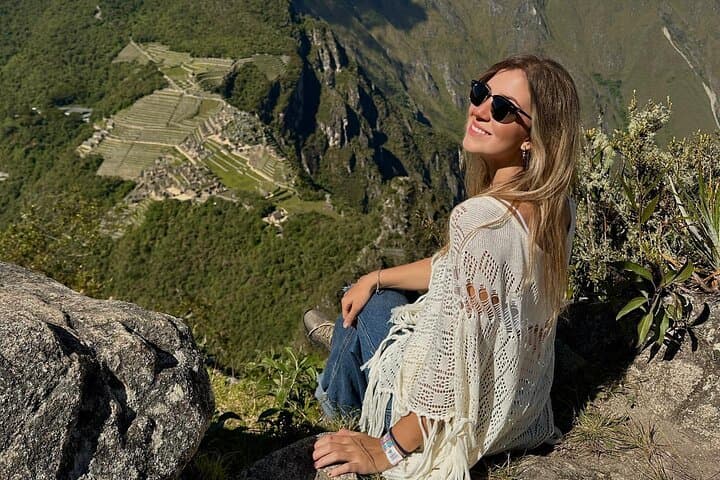
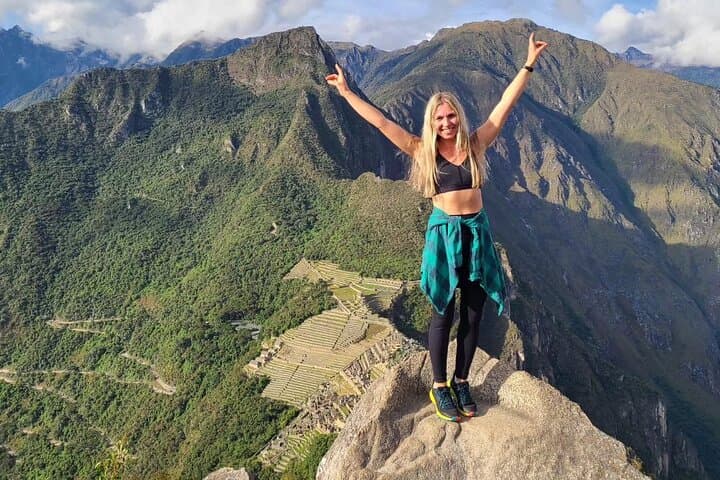
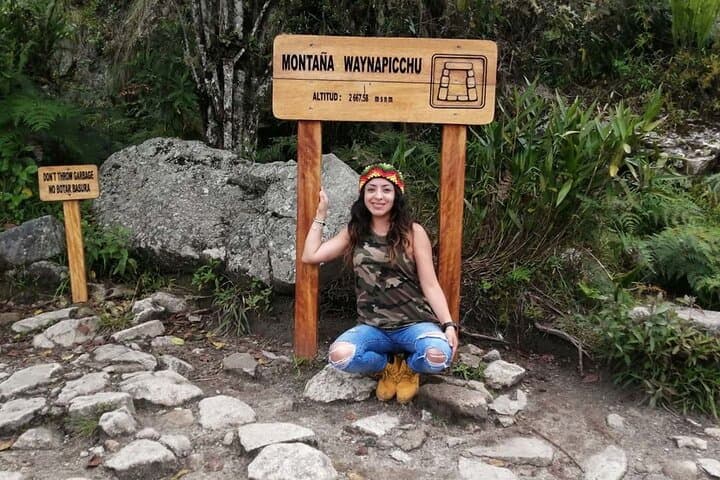
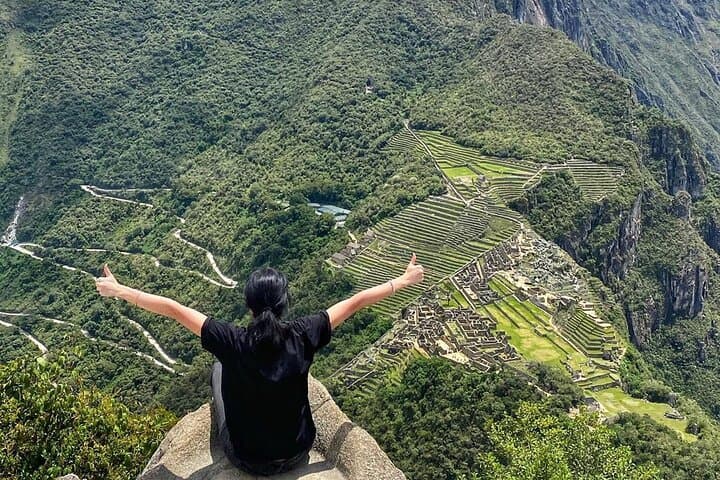
A thin mist lifts as the bus climbs from Aguas Calientes and the stone platform of Machu Picchu suddenly opens into view—terraces descending the slope like giant steps, and Huayna Picchu’s steep green spine rising behind the citadel. The early light exposes centuries-old masonry and the jagged gorge of the Urubamba River far below; the air smells faintly of damp earth and highland grass.
A thin mist lifts as the bus climbs from Aguas Calientes and the stone platform of Machu Picchu suddenly opens into view—terraces descending the slope like giant steps, and Huayna Picchu’s steep green spine rising behind the citadel. The early light exposes centuries-old masonry and the jagged gorge of the Urubamba River far below; the air smells faintly of damp earth and highland grass.
Constructed in the 15th century under the Inca, Machu Picchu sits astride a narrow granite ridge shaped by uplift and erosion. Huayna Picchu, the younger, sharper peak, was used for ritual and observation—its narrow trails and ladders make the climb an intimate, vertigo-tinged encounter with Inca ingenuity. The surrounding Quechua communities keep living traditions: you’ll see coca leaves, terraced agriculture, and local artisans in Aguas Calientes.
Practical guidance is straightforward: Huayna Picchu permits are strictly limited by time slot—book them well in advance. Expect steep stone steps, short ladders, and exposed sections where handholds and sure footing matter; most climbers take 45–90 minutes round-trip depending on pace. Altitude is real—spend at least a day in Cusco to acclimatize, hydrate deliberately, and move slowly on the ascent. Wear grippy footwear and a lightweight rain jacket; weather shifts fast in the cloud forest.
This private 2-day itinerary combines an overnight in Aguas Calientes, round-trip tourist train, and timed entry to Huayna Picchu—ideal for travelers who want the thrill of the peak without a multi-day trek. Respect trail limits, pack out waste, and leave the terraces intact: the site’s endurance depends on careful footsteps.