THE ADVENTURE COLLECTIVE® · Independent discovery and booking for outdoor travel

See the Sacred Valley’s terraces, markets and Ollantaytambo, then sleep in Aguas Calientes and spend a focused morning exploring Machu Picchu. This two-day itinerary packs key Inca sites into a short, well-supported trip—ideal for travelers on limited time.
See the Sacred Valley’s terraces, markets and Ollantaytambo, then sleep in Aguas Calientes and spend a focused morning exploring Machu Picchu. This two-day itinerary packs key Inca sites into a short, well-supported trip—ideal for travelers on limited time.
The bus leaves Cusco before sunrise and the valley opens like a page—steep terraces stacked into the Andes, rivers cutting bright lines through green. On day one you move through the Sacred Valley: Pisac’s market hums with vendors selling handwoven textiles while terraces above cling to dizzying slopes. Ollantaytambo’s stone streets and water channels feel like a living Inca plan, the terraces and temple complex offering the first real taste of Incan engineering.
Verified experiences and guided adventures in the surrounding area.
Operated by Adventure In Peru · Cusco, Cusco
The bus leaves Cusco before sunrise and the valley opens like a page—steep terraces stacked into the Andes, rivers cutting bright lines through green. On day one you move through the Sacred Valley: Pisac’s market hums with vendors selling handwoven textiles while terraces above cling to dizzying slopes. Ollantaytambo’s stone streets and water channels feel like a living Inca plan, the terraces and temple complex offering the first real taste of Incan engineering.
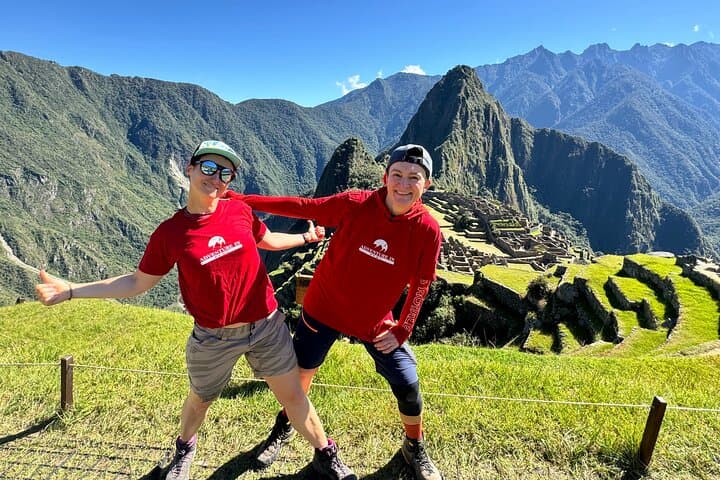
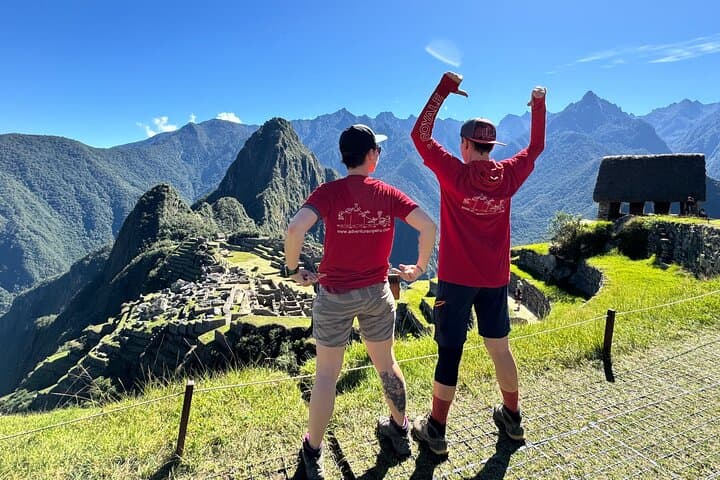
Geology here is blunt: sharp granite and volcanic rock uplifted by Andean tectonics, then carved by the Urubamba River into tight canyons that cradle cloud forest pockets. Culturally the valley remains Quechua-speaking and market-centered—agriculture, weaving and smallholder life give texture between sights. The second day is Machu Picchu: the citadel sits on a narrow ridge with sweeping views down to the river; its precise stonework, agricultural terraces, and ritual spaces map the Inca world in stone.
Practically, the tour combines private guiding, an overnight in Aguas Calientes, train transfers and bus access to the site. Expect a guided circuit of 2–3 hours on arrival; show your passport at the gate and follow the prebooked circuit. Altitude and stairs are the real challenges—pack layers, a light rain shell and good footwear. Reserve train and Machu Picchu entry well in advance, carry small local currency for market stops, and plan arrival in Cusco a day earlier to acclimatize. This itinerary compresses the Sacred Valley’s highlights into two efficient days while giving you time to absorb Machu Picchu’s scale and history.
moderate.
2 days (≈48 hours).
Basic fitness with comfort on uneven stone steps and short uphill walks; allow for high-altitude breathing
This tour includes Machu Picchu entrance tickets, but the specific circuit depends on availability at booking—confirm which circuit you receive.
Yes — the same passport used to book the Machu Picchu ticket must be shown at site entry.
Expect 2–3 hours of guided walking on uneven stone paths and many stairs; optional extra hikes (e.g., Huayna Picchu) are not included and require separate permits.
Breakfast on day two and hotel in Aguas Calientes (double room) are included; lunches and some meals are pay-as-you-go at stops like Urubamba and Pisac market.
Machu Picchu was an Inca ceremonial and agricultural complex built in the 15th century; the Sacred Valley served as a productive backbone for the empire and retains strong Quechua cultural continuity.
High visitor numbers and fragile mountain ecosystems mean you should follow marked circuits, avoid touching masonry, carry out waste and choose certified guides to limit impact.
Adventure In Peru operates guided outdoor trips and adventures with an emphasis on safety, stewardship, and memorable experiences.
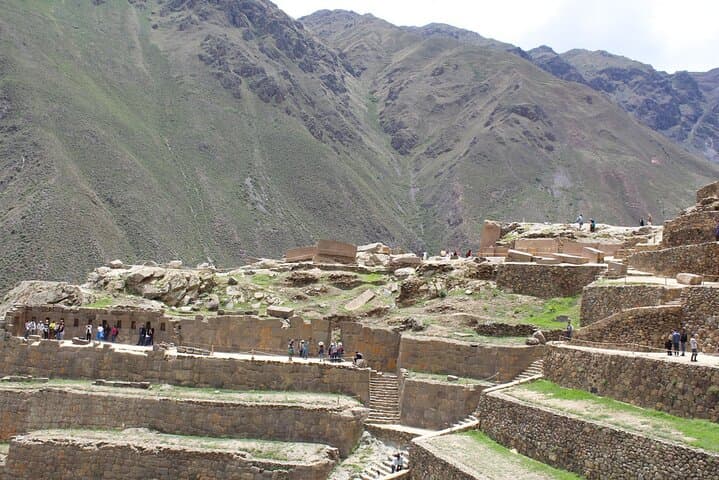
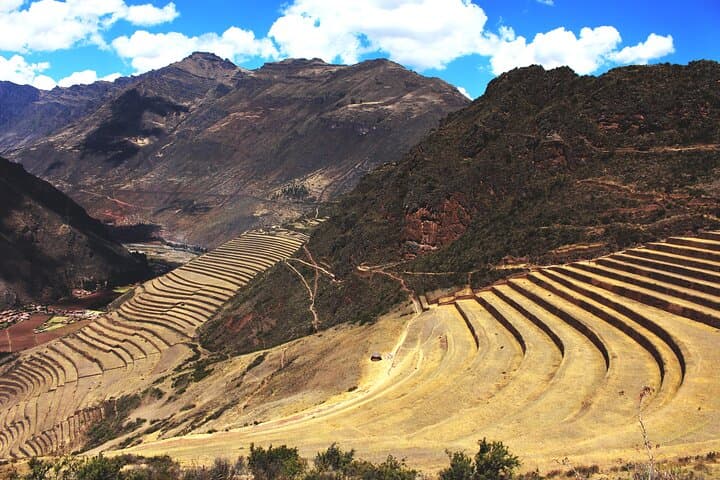
The bus leaves Cusco before sunrise and the valley opens like a page—steep terraces stacked into the Andes, rivers cutting bright lines through green. On day one you move through the Sacred Valley: Pisac’s market hums with vendors selling handwoven textiles while terraces above cling to dizzying slopes. Ollantaytambo’s stone streets and water channels feel like a living Inca plan, the terraces and temple complex offering the first real taste of Incan engineering.
The bus leaves Cusco before sunrise and the valley opens like a page—steep terraces stacked into the Andes, rivers cutting bright lines through green. On day one you move through the Sacred Valley: Pisac’s market hums with vendors selling handwoven textiles while terraces above cling to dizzying slopes. Ollantaytambo’s stone streets and water channels feel like a living Inca plan, the terraces and temple complex offering the first real taste of Incan engineering.
Geology here is blunt: sharp granite and volcanic rock uplifted by Andean tectonics, then carved by the Urubamba River into tight canyons that cradle cloud forest pockets. Culturally the valley remains Quechua-speaking and market-centered—agriculture, weaving and smallholder life give texture between sights. The second day is Machu Picchu: the citadel sits on a narrow ridge with sweeping views down to the river; its precise stonework, agricultural terraces, and ritual spaces map the Inca world in stone.
Practically, the tour combines private guiding, an overnight in Aguas Calientes, train transfers and bus access to the site. Expect a guided circuit of 2–3 hours on arrival; show your passport at the gate and follow the prebooked circuit. Altitude and stairs are the real challenges—pack layers, a light rain shell and good footwear. Reserve train and Machu Picchu entry well in advance, carry small local currency for market stops, and plan arrival in Cusco a day earlier to acclimatize. This itinerary compresses the Sacred Valley’s highlights into two efficient days while giving you time to absorb Machu Picchu’s scale and history.