THE ADVENTURE COLLECTIVE® · Independent discovery and booking for outdoor travel

Move from Cusco into the Sacred Valley and arrive at Machu Picchu with a guided, two-day itinerary that mixes markets, Inca engineering, and one night in Aguas Calientes. This tour bundles transport, admission, and local insight for a compact cultural and archaeological experience.
Move from Cusco into the Sacred Valley and arrive at Machu Picchu with a guided, two-day itinerary that mixes markets, Inca engineering, and one night in Aguas Calientes. This tour bundles transport, admission, and local insight for a compact cultural and archaeological experience.
Dawn arrives cool and thin as you leave Cusco and slip into the high valleys — terraces and stone walls sliding past the window like pages of a history book.
Verified experiences and guided adventures in the surrounding area.
Operated by Machu Picchu Holiday Tours · Aguas Calientes, Cusco
Dawn arrives cool and thin as you leave Cusco and slip into the high valleys — terraces and stone walls sliding past the window like pages of a history book.
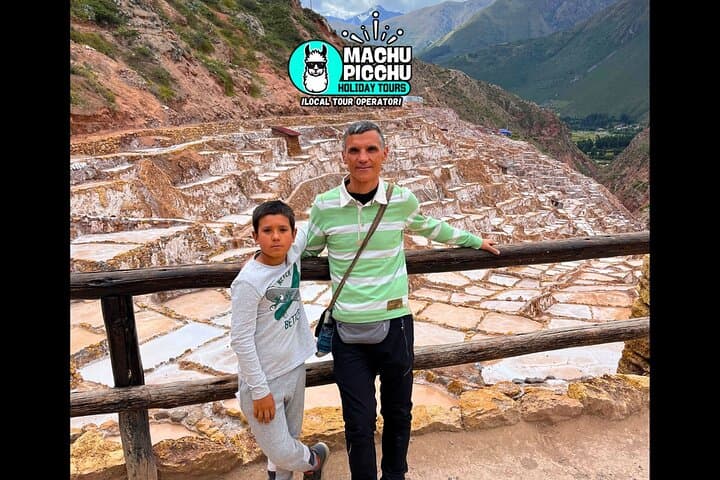
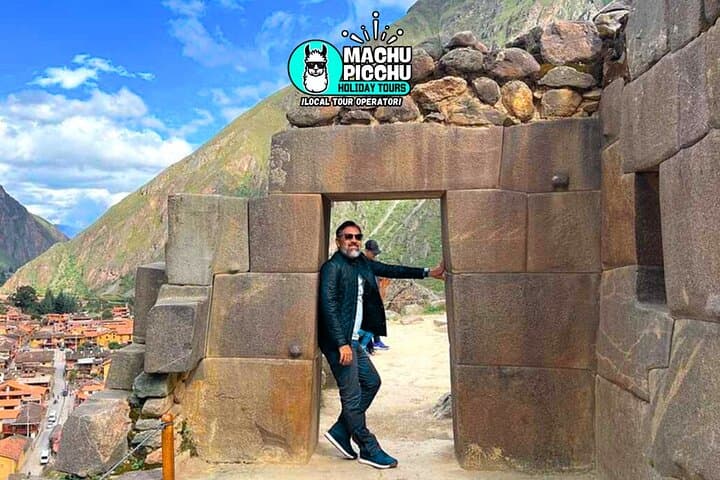
The first day threads through the Sacred Valley: Chinchero's market stalls where textiles are woven and bartered, the concentric agricultural experiments at Moray, and the salt pans of Maras glinting like a patchwork of small white pools. Ollantaytambo's fortress and narrow streets show the Inca skill for monumental stonework and defensive siting, a living village that still carries ceremonial rhythms.
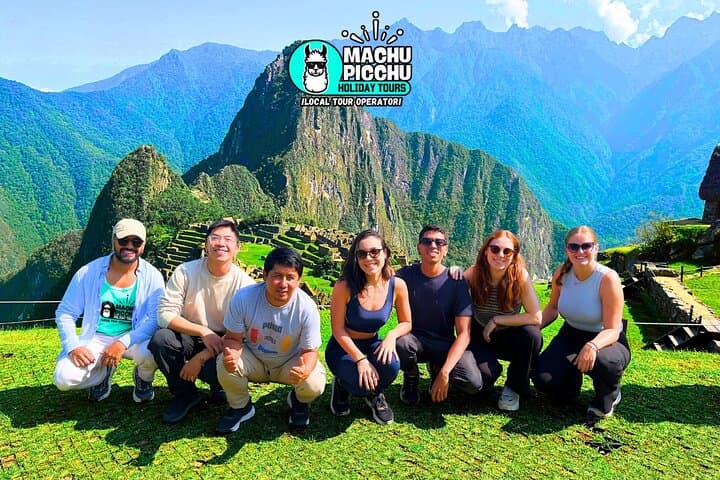
Geology here is loud: uplifted Andean ridges carved by glaciers, river-cut canyons, and cloud forest steps that host rich biodiversity. Machu Picchu sits on a spur between two rivers, its terraces combating steepness and erosion — an engineered landscape optimized for microclimates and agriculture.
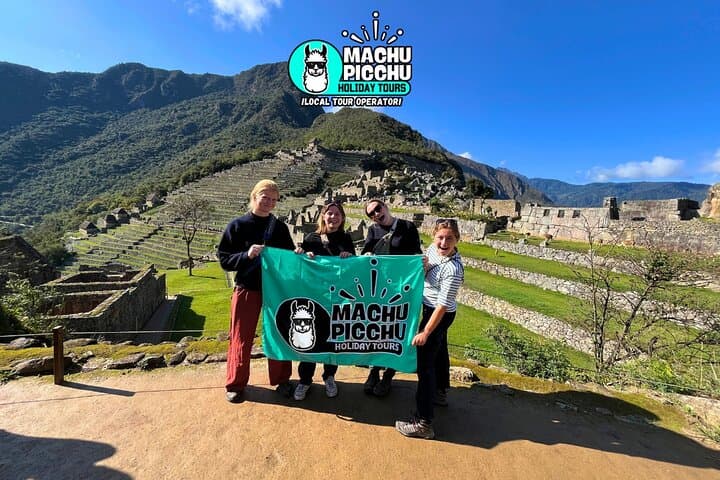
On day two, arrive as first light slips across the citadel. A licensed guide walks you through plazas, temples, and terraces, explaining quipu records, Inca astronomy, and the site's strategic siting. Afterwards, return to Aguas Calientes for a soak or a local meal before the train and bus back to Cusco.
Practical notes: altitude transitions are real—move slowly, hydrate, and avoid heavy alcohol the first day. Comfortable walking shoes, a layered rain shell, and a small daypack suffice; major hikes like Huayna Picchu require separate permits. The tour includes transport, one night in Aguas Calientes, entrance to Machu Picchu, and a bilingual guide, so plan light and bring charged batteries for photography and a reusable water bottle to reduce waste.
easy.
2 days.
Suitable for travelers in average physical condition; includes moderate walking on uneven stone paths and some stairs.
Yes — the tour lists the Machu Picchu entrance ticket among its inclusions; Huayna Picchu or Machu Picchu Mountain permits are separate and limited.
Cusco and the Sacred Valley sit above 2,700 m; common symptoms include headache and shortness of breath—allow time to acclimatize, hydrate, and avoid heavy exertion on arrival.
The itinerary includes transportation, CONSETUR bus tickets (round trip) and the tourist train segment to Aguas Calientes as specified in the inclusions.
One night's accommodation in Aguas Calientes plus breakfast, lunch and dinner as listed are included; check dietary needs when booking.
Machu Picchu was built in the mid-15th century under Inca ruler Pachacuti and later abandoned during the Spanish colonial era, leaving its stonework remarkably intact.
Machu Picchu is a UNESCO World Heritage site with strict visitor caps and trail controls—stay on designated paths, pack out waste, and respect local rules to protect fragile archaeological and ecological zones.
Machu Picchu Holiday Tours operates guided outdoor trips and adventures with an emphasis on safety, stewardship, and memorable experiences.
Dawn arrives cool and thin as you leave Cusco and slip into the high valleys — terraces and stone walls sliding past the window like pages of a history book.
Dawn arrives cool and thin as you leave Cusco and slip into the high valleys — terraces and stone walls sliding past the window like pages of a history book.
The first day threads through the Sacred Valley: Chinchero's market stalls where textiles are woven and bartered, the concentric agricultural experiments at Moray, and the salt pans of Maras glinting like a patchwork of small white pools. Ollantaytambo's fortress and narrow streets show the Inca skill for monumental stonework and defensive siting, a living village that still carries ceremonial rhythms.
Geology here is loud: uplifted Andean ridges carved by glaciers, river-cut canyons, and cloud forest steps that host rich biodiversity. Machu Picchu sits on a spur between two rivers, its terraces combating steepness and erosion — an engineered landscape optimized for microclimates and agriculture.
On day two, arrive as first light slips across the citadel. A licensed guide walks you through plazas, temples, and terraces, explaining quipu records, Inca astronomy, and the site's strategic siting. Afterwards, return to Aguas Calientes for a soak or a local meal before the train and bus back to Cusco.
Practical notes: altitude transitions are real—move slowly, hydrate, and avoid heavy alcohol the first day. Comfortable walking shoes, a layered rain shell, and a small daypack suffice; major hikes like Huayna Picchu require separate permits. The tour includes transport, one night in Aguas Calientes, entrance to Machu Picchu, and a bilingual guide, so plan light and bring charged batteries for photography and a reusable water bottle to reduce waste.