THE ADVENTURE COLLECTIVE® · Independent discovery and booking for outdoor travel

Two packed days take you from Cusco’s high valleys to the stone citadel of Machu Picchu and the colorful ridges of Rainbow Mountain. Expect steep climbs, thin air, and world-class archaeology paired with raw Andean scenery.
Two packed days take you from Cusco’s high valleys to the stone citadel of Machu Picchu and the colorful ridges of Rainbow Mountain. Expect steep climbs, thin air, and world-class archaeology paired with raw Andean scenery.
Dawn lifts off the Andean spine as your van leaves Cusco and climbs toward the high puna. Air thins, colors sharpen: terraced fields and the occasional llama punctuate the road. On day one you ride the valley into Aguas Calientes, board the shuttle up to the stonework of Machu Picchu, and walk among ramps, fountains, and sunlit terraces that still hold the geometry of Inca urban planning.
Verified experiences and guided adventures in the surrounding area.
Operated by GTP Tours Peru · Cusco, Cusco Region
Dawn lifts off the Andean spine as your van leaves Cusco and climbs toward the high puna. Air thins, colors sharpen: terraced fields and the occasional llama punctuate the road. On day one you ride the valley into Aguas Calientes, board the shuttle up to the stonework of Machu Picchu, and walk among ramps, fountains, and sunlit terraces that still hold the geometry of Inca urban planning.
The Andes here are young, folded rock lifted by tectonics and carved by glacial ice; Machu Picchu sits on a steep ridge between cloud forest and river gorge. The following morning trades the citadel’s lanes for the high-altitude sweep of Vinicunca (Rainbow Mountain), a three-hour ascent across thin-air slopes stained by iron and copper oxides. Both sites are cultural waypoints: Inca agricultural engineering appears in nearby Moray and the salt pans of Maras, reflecting centuries of local knowledge.
Expect sharp weather swings, dusty trails, and moments when the landscape feels to push back—altitude is the real challenge. Practical choices matter: acclimatize in Cusco, pace your breathing on approach, and leave no trace on fragile puna soils. Carry water, sun protection, and a compact rain shell; plan for steep steps and uneven stonework in Machu Picchu and loose scree on Vinicunca.
This itinerary compresses archaeological wonder and high-mountain hiking into 48 hours: intense, rewarding, and best attempted by travelers with some prior altitude exposure and steady fitness.
challenging.
2 days, 1 night.
Good cardiovascular fitness and experience with multi-hour hikes at elevation; be prepared for staircases and steep ascents.
Yes—timed entry tickets are required for Machu Picchu and should be booked in advance; the tour typically handles admissions and train tickets.
It’s a steep 2–3 hour ascent at 5,000+ m; it’s short but strenuous due to altitude and loose footing—pace yourself and use walking poles if available.
Yes—guides on organized tours usually speak English and handle logistics; learn basic phrases and bring travel documents as requested.
Symptoms can appear despite fitness—acclimatize, hydrate, eat light, ascend slowly, and carry ibuprofen and acetazolamide if prescribed by your doctor.
Machu Picchu was constructed in the 15th century by the Inca and remained unknown to the outside world until early 20th‑century explorers; the Sacred Valley supported intensive agriculture for the empire.
High visitation pressures require strict adherence to trails and timed entries; support local guides and community-run projects to help conserve fragile highland ecosystems.
GTP Tours Peru operates guided outdoor trips and adventures with an emphasis on safety, stewardship, and memorable experiences.

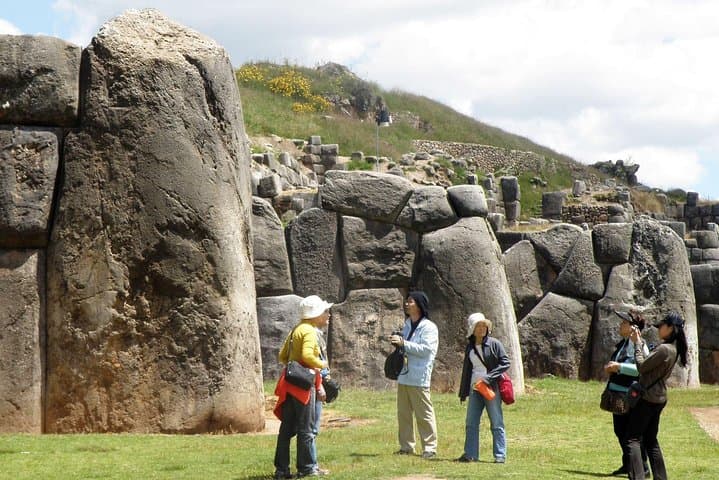

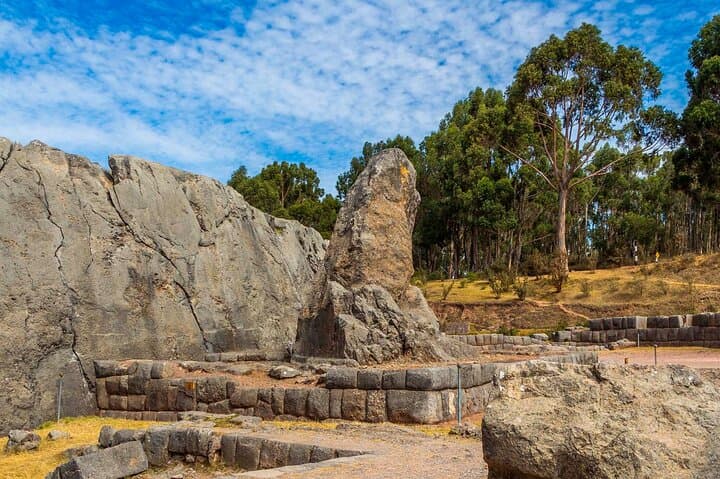
Dawn lifts off the Andean spine as your van leaves Cusco and climbs toward the high puna. Air thins, colors sharpen: terraced fields and the occasional llama punctuate the road. On day one you ride the valley into Aguas Calientes, board the shuttle up to the stonework of Machu Picchu, and walk among ramps, fountains, and sunlit terraces that still hold the geometry of Inca urban planning.
Dawn lifts off the Andean spine as your van leaves Cusco and climbs toward the high puna. Air thins, colors sharpen: terraced fields and the occasional llama punctuate the road. On day one you ride the valley into Aguas Calientes, board the shuttle up to the stonework of Machu Picchu, and walk among ramps, fountains, and sunlit terraces that still hold the geometry of Inca urban planning.
The Andes here are young, folded rock lifted by tectonics and carved by glacial ice; Machu Picchu sits on a steep ridge between cloud forest and river gorge. The following morning trades the citadel’s lanes for the high-altitude sweep of Vinicunca (Rainbow Mountain), a three-hour ascent across thin-air slopes stained by iron and copper oxides. Both sites are cultural waypoints: Inca agricultural engineering appears in nearby Moray and the salt pans of Maras, reflecting centuries of local knowledge.
Expect sharp weather swings, dusty trails, and moments when the landscape feels to push back—altitude is the real challenge. Practical choices matter: acclimatize in Cusco, pace your breathing on approach, and leave no trace on fragile puna soils. Carry water, sun protection, and a compact rain shell; plan for steep steps and uneven stonework in Machu Picchu and loose scree on Vinicunca.
This itinerary compresses archaeological wonder and high-mountain hiking into 48 hours: intense, rewarding, and best attempted by travelers with some prior altitude exposure and steady fitness.