THE ADVENTURE COLLECTIVE® · Independent discovery and booking for outdoor travel

Skip the lines and enter Machu Picchu with an official standard ticket that opens access to the citadel’s major monuments. Learn what’s included, what routes are restricted, and how to make the most of a 3–4 hour visit.
Skip the lines and enter Machu Picchu with an official standard ticket that opens access to the citadel’s major monuments. Learn what’s included, what routes are restricted, and how to make the most of a 3–4 hour visit.
Stone stairways and terraces spill down a cloud-scoured ridge as sunlight slices through mist—this is Machu Picchu the moment the gates open. With an official entrance ticket you step directly into the core of the Inca citadel: the Temple of the Sun, the Intihuatana rock, the Sacred Plaza and the postcard guardhouse view that millions of photographs have tried to capture.
Verified experiences and guided adventures in the surrounding area.
Operated by GO PERU ADVENTURE · Aguas Calientes, Cusco
Stone stairways and terraces spill down a cloud-scoured ridge as sunlight slices through mist—this is Machu Picchu the moment the gates open. With an official entrance ticket you step directly into the core of the Inca citadel: the Temple of the Sun, the Intihuatana rock, the Sacred Plaza and the postcard guardhouse view that millions of photographs have tried to capture.
Built in the 15th century—likely under the rule of Pachacuti—Machu Picchu sits where Andean granite meets the eastern cloud forest, a place of engineered terraces, precise masonry and humid microclimates that invite orchids, hummingbirds and Andean fauna. The site’s four designated tourist circuits control flow and protect fragile structures; note that Intipunku (Sun Gate) and the short Inca Bridge access are not included with this standard ticket.
Practically, this ticket grants timed entry and roughly 3–4 hours for a self-guided visit; many travelers pair it with a licensed guide for context. Expect steep, uneven stone steps, limited shade and frequently wet surfaces during the rainy months. Authorities enforce routes and visitor limits—follow marked paths, carry out waste and avoid touching masonry.
Plan to arrive early for softer light and fewer crowds, acclimatize in Cusco beforehand, bring a lightweight rain shell and sturdy footwear, and charge devices for photos because cell service is limited. The ticket is mobile-or-paper friendly, non-refundable, and suitable for most fitness levels though not recommended for people with serious heart or spinal conditions. With preparation, a visit feels both immediate—rope-like clouds drifting through terraces—and precise, revealing layers of engineering and ritual in every stone.
moderate.
3–4 hours.
Good walking stamina; comfortable on uneven ground and steep stone steps. Not suitable for those with severe heart or spinal issues.
No—Huayna Picchu and the Inca Bridge require separate, limited-access tickets; this is the standard Machu Picchu entrance covering the main circuits.
Yes—the ticket is accepted in mobile or printed form, but keep your device charged and consider a printed backup.
All sales are final according to the ticket policy and refunds are not available; confirm your dates before booking.
Ticket information lists accessibility options, but the citadel’s stone terraces and steps limit mobility; contact local operators for specific assistance arrangements.
Constructed in the 15th century under Inca expansion, Machu Picchu served ceremonial and possibly royal functions before being largely abandoned after the Spanish conquest.
Visitor numbers and timed circuits are enforced to reduce wear; practice pack-in-pack-out, stay on marked paths and avoid touching historic masonry.
GO PERU ADVENTURE operates guided outdoor trips and adventures with an emphasis on safety, stewardship, and memorable experiences.
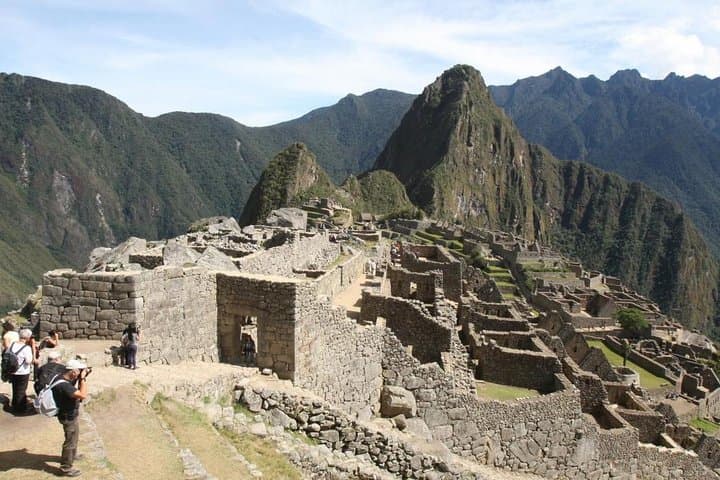
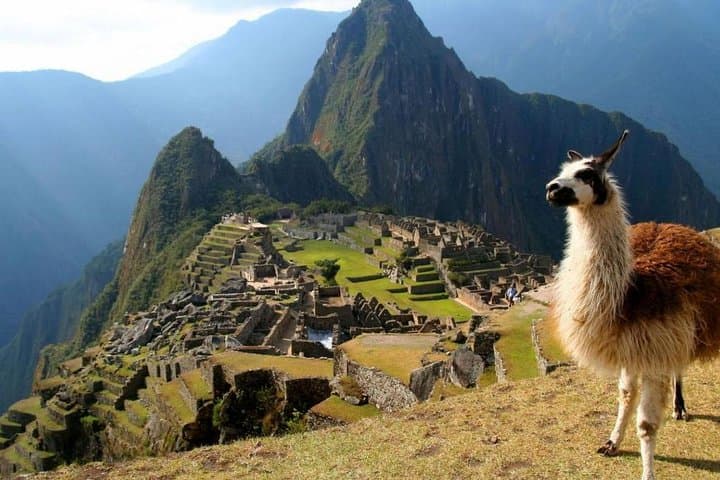
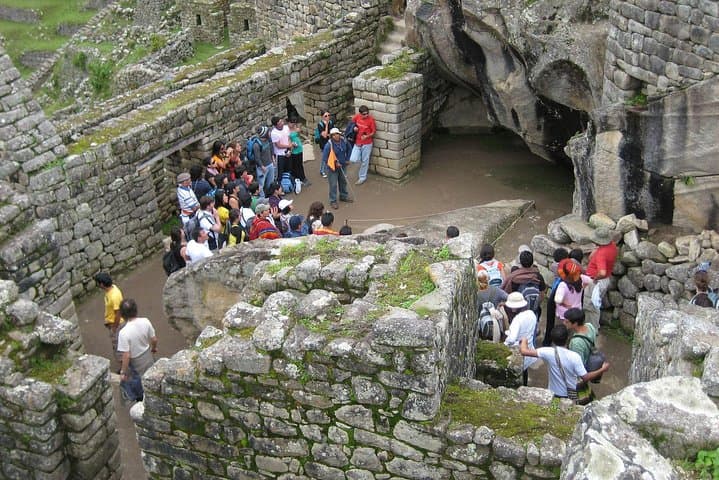
Stone stairways and terraces spill down a cloud-scoured ridge as sunlight slices through mist—this is Machu Picchu the moment the gates open. With an official entrance ticket you step directly into the core of the Inca citadel: the Temple of the Sun, the Intihuatana rock, the Sacred Plaza and the postcard guardhouse view that millions of photographs have tried to capture.
Stone stairways and terraces spill down a cloud-scoured ridge as sunlight slices through mist—this is Machu Picchu the moment the gates open. With an official entrance ticket you step directly into the core of the Inca citadel: the Temple of the Sun, the Intihuatana rock, the Sacred Plaza and the postcard guardhouse view that millions of photographs have tried to capture.
Built in the 15th century—likely under the rule of Pachacuti—Machu Picchu sits where Andean granite meets the eastern cloud forest, a place of engineered terraces, precise masonry and humid microclimates that invite orchids, hummingbirds and Andean fauna. The site’s four designated tourist circuits control flow and protect fragile structures; note that Intipunku (Sun Gate) and the short Inca Bridge access are not included with this standard ticket.
Practically, this ticket grants timed entry and roughly 3–4 hours for a self-guided visit; many travelers pair it with a licensed guide for context. Expect steep, uneven stone steps, limited shade and frequently wet surfaces during the rainy months. Authorities enforce routes and visitor limits—follow marked paths, carry out waste and avoid touching masonry.
Plan to arrive early for softer light and fewer crowds, acclimatize in Cusco beforehand, bring a lightweight rain shell and sturdy footwear, and charge devices for photos because cell service is limited. The ticket is mobile-or-paper friendly, non-refundable, and suitable for most fitness levels though not recommended for people with serious heart or spinal conditions. With preparation, a visit feels both immediate—rope-like clouds drifting through terraces—and precise, revealing layers of engineering and ritual in every stone.