THE ADVENTURE COLLECTIVE® · Independent discovery and booking for outdoor travel

Take the Hydroelectric route from Cusco to Aguas Calientes on this 2-day tour—an accessible, scenic alternative to the train that combines riverside hiking with a guided visit to Machu Picchu. Expect uneven tracks, late starts, and dramatic mountain views.
Take the Hydroelectric route from Cusco to Aguas Calientes on this 2-day tour—an accessible, scenic alternative to the train that combines riverside hiking with a guided visit to Machu Picchu. Expect uneven tracks, late starts, and dramatic mountain views.
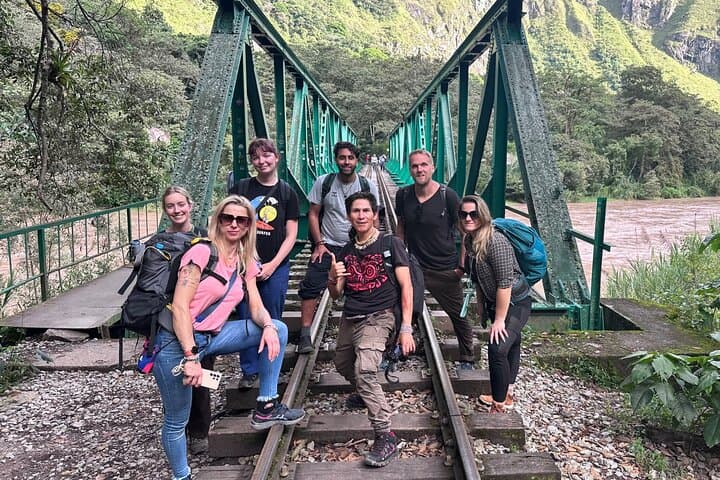
You step out of a pre-dawn Cusco and the road opens—high Andean ridges sliding away as the minivan drops toward the jungle. By midday the mountain air has shifted: humidity, the river’s low thunder, and the steady click of the rail line that draws you toward Aguas Calientes. The hike from the Hydroelectric plant to town is a working path that becomes an invitation—10 km of riverside tracks, rocky steps, and short footbridges where the forest leans in and orchids peek from moss.
Verified experiences and guided adventures in the surrounding area.
Operated by waskarexpeditions · Aguas Calientes (Machu Picchu Pueblo), Cusco
You step out of a pre-dawn Cusco and the road opens—high Andean ridges sliding away as the minivan drops toward the jungle. By midday the mountain air has shifted: humidity, the river’s low thunder, and the steady click of the rail line that draws you toward Aguas Calientes. The hike from the Hydroelectric plant to town is a working path that becomes an invitation—10 km of riverside tracks, rocky steps, and short footbridges where the forest leans in and orchids peek from moss.
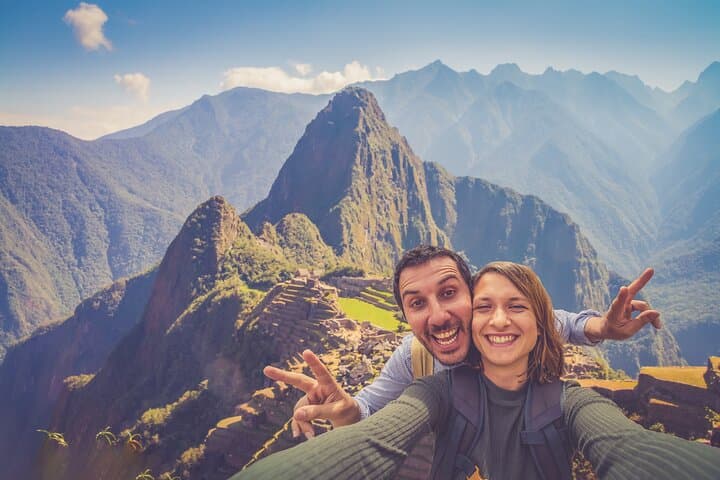
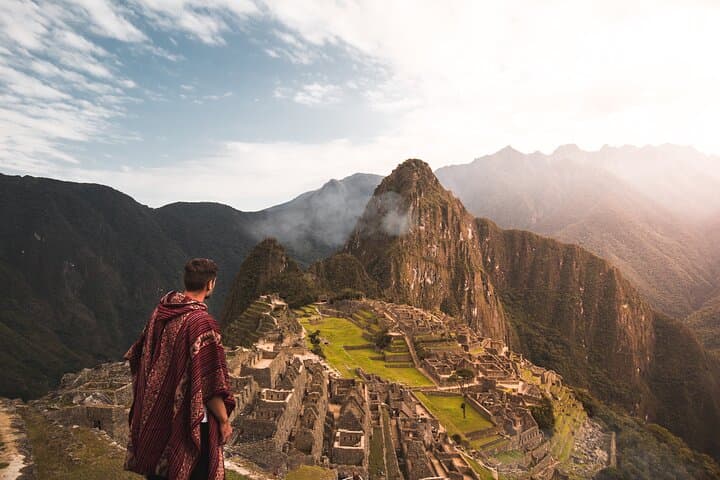
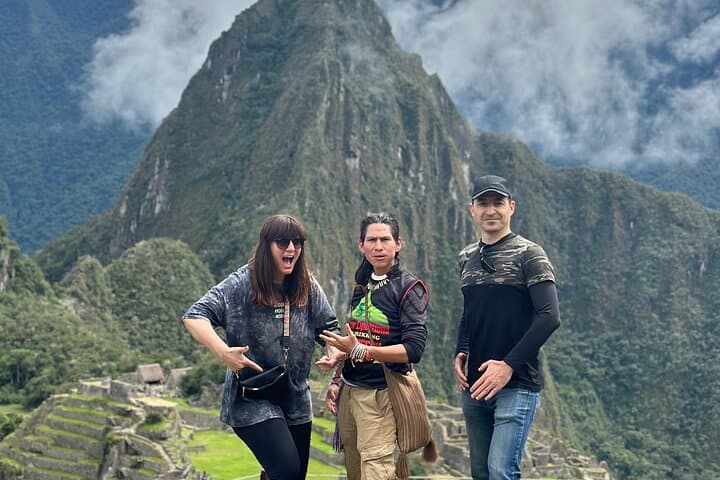
Machu Picchu sits on a granite spine where river and mountain meet. Built in the 15th century and brought to global attention in 1911, the citadel offers Inca stonework, terraces and sightlines to snowy peaks like Salkantay and Veronica—glacial giants that still watch the valley. Local culture threads through small villages and the Mandor Gardens near Aguas Calientes, where cloud forest species thrive and guidebooks often understate the biodiversity.
Practical guidance: expect two days of movement—about 3 hours walking into Aguas Calientes on day one and a 1–1.5 hour steep ascent (≈400 m gain) to the citadel at 2,430 m on day two. Acclimatize in Cusco (3,400 m) for 24–48 hours, bring layered clothing, a light rain shell and sturdy shoes for uneven track. The tour includes Machu Picchu entry, a guided two-hour circuit, one-night hostel, dinner and breakfast, plus round-trip transport to the Hydroelectric point. Early starts, limited time inside the sanctuary, and high-season crowds mean planning for wake-up calls, cash for local vendors, and leaving no trace on fragile trails.
moderate.
2 days (≈48 hours).
Moderate fitness—able to hike 3 hours on uneven terrain and complete a 1–1.5 hour steep ascent at altitude
Yes—this tour includes the Machu Picchu ticket and a guided two-hour tour inside the sanctuary.
The walk is approximately 10 km and typically takes 3–4 hours depending on pace and conditions; terrain is mostly flat with rocky sections.
Yes—spending 24–48 hours in Cusco to adapt to 3,400 m is strongly recommended to reduce altitude-related issues.
The itinerary includes one-night hostel accommodation, dinner on day one and breakfast on day two; bring snacks or extra cash for lunches and refreshments.
Machu Picchu was constructed by the Inca in the 15th century; Hiram Bingham’s 1911 expedition brought it to international attention and it’s now a protected archaeological sanctuary.
The site is managed as the Historic Sanctuary of Machu Picchu with visitor limits and trail rules—stay on marked paths, carry out waste, and avoid flash photography in restricted areas.
waskarexpeditions operates guided outdoor trips and adventures with an emphasis on safety, stewardship, and memorable experiences.
You step out of a pre-dawn Cusco and the road opens—high Andean ridges sliding away as the minivan drops toward the jungle. By midday the mountain air has shifted: humidity, the river’s low thunder, and the steady click of the rail line that draws you toward Aguas Calientes. The hike from the Hydroelectric plant to town is a working path that becomes an invitation—10 km of riverside tracks, rocky steps, and short footbridges where the forest leans in and orchids peek from moss.
You step out of a pre-dawn Cusco and the road opens—high Andean ridges sliding away as the minivan drops toward the jungle. By midday the mountain air has shifted: humidity, the river’s low thunder, and the steady click of the rail line that draws you toward Aguas Calientes. The hike from the Hydroelectric plant to town is a working path that becomes an invitation—10 km of riverside tracks, rocky steps, and short footbridges where the forest leans in and orchids peek from moss.
Machu Picchu sits on a granite spine where river and mountain meet. Built in the 15th century and brought to global attention in 1911, the citadel offers Inca stonework, terraces and sightlines to snowy peaks like Salkantay and Veronica—glacial giants that still watch the valley. Local culture threads through small villages and the Mandor Gardens near Aguas Calientes, where cloud forest species thrive and guidebooks often understate the biodiversity.
Practical guidance: expect two days of movement—about 3 hours walking into Aguas Calientes on day one and a 1–1.5 hour steep ascent (≈400 m gain) to the citadel at 2,430 m on day two. Acclimatize in Cusco (3,400 m) for 24–48 hours, bring layered clothing, a light rain shell and sturdy shoes for uneven track. The tour includes Machu Picchu entry, a guided two-hour circuit, one-night hostel, dinner and breakfast, plus round-trip transport to the Hydroelectric point. Early starts, limited time inside the sanctuary, and high-season crowds mean planning for wake-up calls, cash for local vendors, and leaving no trace on fragile trails.