THE ADVENTURE COLLECTIVE® · Independent discovery and booking for outdoor travel

Travel from Cusco to the citadel of Machu Picchu in one full day: train to Aguas Calientes, shuttle to the ruins, a guided 2.5-hour circuit, then free time and return. Practical, history-rich, and suitable for most fitness levels.
Travel from Cusco to the citadel of Machu Picchu in one full day: train to Aguas Calientes, shuttle to the ruins, a guided 2.5-hour circuit, then free time and return. Practical, history-rich, and suitable for most fitness levels.
The bus shudders along the narrow switchbacks, the Andes pressing close on either side, and by the time the mist lifts you stand at the stone edge of a place built into the mountain itself. This full-day guided tour leaves Cusco before dawn, threads through the Sacred Valley to Ollantaytambo, and ferries travelers by train and shuttle to the citadel of Machu Picchu — a concentrated archaeological day that balances history, landscape, and practical logistics.
Verified experiences and guided adventures in the surrounding area.
Operated by Peru Like · Aguas Calientes (Machu Picchu Pueblo), Cusco Region
The bus shudders along the narrow switchbacks, the Andes pressing close on either side, and by the time the mist lifts you stand at the stone edge of a place built into the mountain itself. This full-day guided tour leaves Cusco before dawn, threads through the Sacred Valley to Ollantaytambo, and ferries travelers by train and shuttle to the citadel of Machu Picchu — a concentrated archaeological day that balances history, landscape, and practical logistics.
Machu Picchu occupies a granite ridge above the Urubamba River; its terraces, plazas, and temples date to the 15th-century Inca expansion and reflect advanced dry-stone construction on steep terrain. Geologically the site sits on uplifted Andean bedrock, carved by glaciation and river incision, which shaped the dramatic ridgelines and microclimates around the ruin. Local Quechua communities maintain cultural links to the valley and sell traditional crafts in Aguas Calientes (Machu Picchu Pueblo) below the site.
Expect a guided circuit of roughly 2–3 hours on uneven stone paths and steps, followed by time to explore independently. Weather changes fast: high sun, mountain winds, and sudden showers are all possible in one day. Practical notes: bring sturdy footwear for steep, wet steps; carry water and snacks (small shops available in Aguas Calientes); and allow time buffers for train and bus schedules. Photography is best in the morning light before clouds build, while afternoons offer softer views and fewer shadows. This itinerary compresses major logistics — train, bus, guide, entrance — into a single intense, accessible day for travelers based in Cusco.
moderate.
12 hours.
Moderate fitness: able to walk 2–3 hours on uneven stone paths, climb stairs and handle long transfers.
The standard guided circuit is about 2 to 2.5 hours, after which you have free time to explore adjacent areas.
Yes—train seats and Machu Picchu entrance slots are limited; booking ahead is recommended, especially in high season.
The itinerary is physically accessible to most ages but requires stair climbing and walking on uneven surfaces; inform the operator of mobility needs.
Operators plan buffer times, but delays can occur; the tour includes scheduled transport and staff support, though refund policies vary by timing.
Machu Picchu was constructed in the mid-1400s under Inca rule and served ceremonial and administrative roles; it remained largely unknown to the outside world until Hiram Bingham's early 20th-century expedition.
Visitor numbers are regulated through timed entry and guided circuits to protect fragile stonework and ecological zones; stick to marked paths and avoid moving stones or vegetation.
Peru Like operates guided outdoor trips and adventures with an emphasis on safety, stewardship, and memorable experiences.

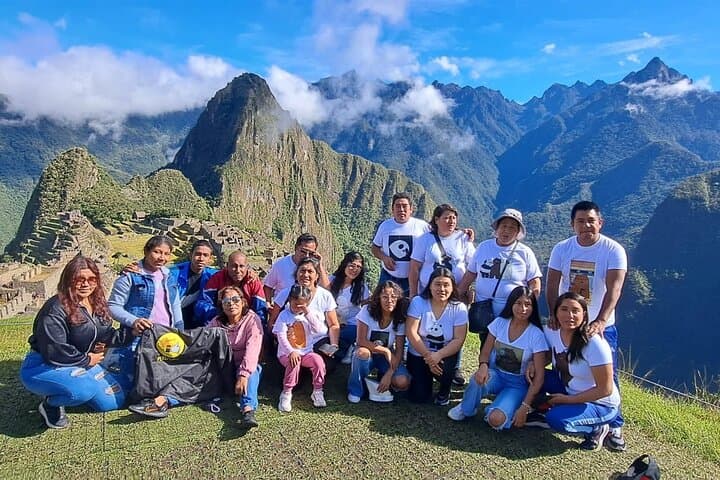
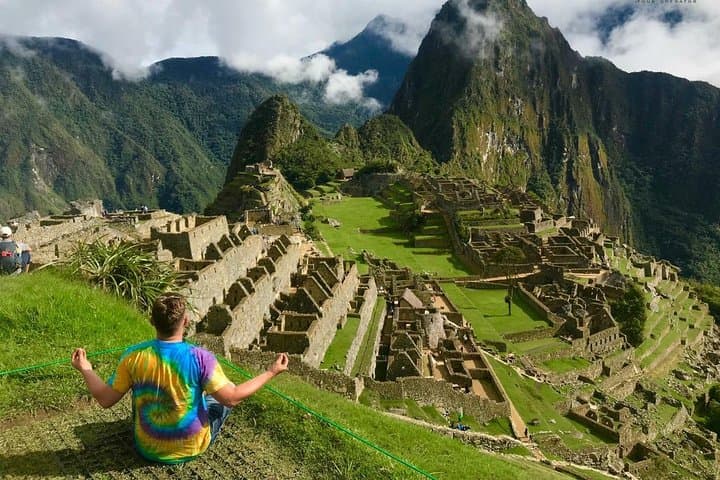
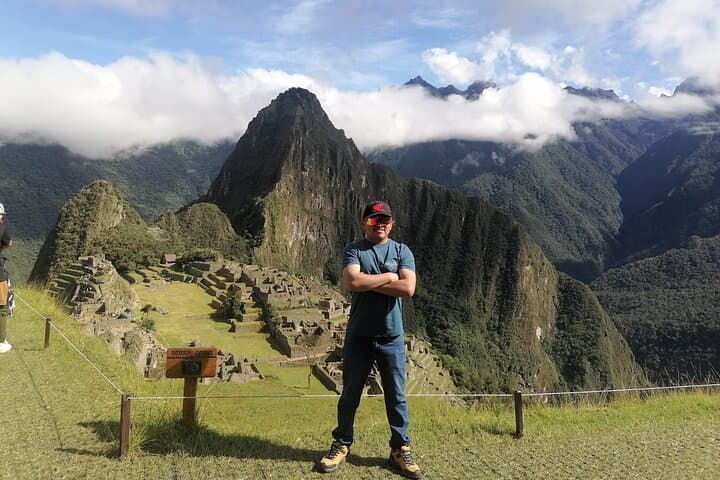
The bus shudders along the narrow switchbacks, the Andes pressing close on either side, and by the time the mist lifts you stand at the stone edge of a place built into the mountain itself. This full-day guided tour leaves Cusco before dawn, threads through the Sacred Valley to Ollantaytambo, and ferries travelers by train and shuttle to the citadel of Machu Picchu — a concentrated archaeological day that balances history, landscape, and practical logistics.
The bus shudders along the narrow switchbacks, the Andes pressing close on either side, and by the time the mist lifts you stand at the stone edge of a place built into the mountain itself. This full-day guided tour leaves Cusco before dawn, threads through the Sacred Valley to Ollantaytambo, and ferries travelers by train and shuttle to the citadel of Machu Picchu — a concentrated archaeological day that balances history, landscape, and practical logistics.
Machu Picchu occupies a granite ridge above the Urubamba River; its terraces, plazas, and temples date to the 15th-century Inca expansion and reflect advanced dry-stone construction on steep terrain. Geologically the site sits on uplifted Andean bedrock, carved by glaciation and river incision, which shaped the dramatic ridgelines and microclimates around the ruin. Local Quechua communities maintain cultural links to the valley and sell traditional crafts in Aguas Calientes (Machu Picchu Pueblo) below the site.
Expect a guided circuit of roughly 2–3 hours on uneven stone paths and steps, followed by time to explore independently. Weather changes fast: high sun, mountain winds, and sudden showers are all possible in one day. Practical notes: bring sturdy footwear for steep, wet steps; carry water and snacks (small shops available in Aguas Calientes); and allow time buffers for train and bus schedules. Photography is best in the morning light before clouds build, while afternoons offer softer views and fewer shadows. This itinerary compresses major logistics — train, bus, guide, entrance — into a single intense, accessible day for travelers based in Cusco.