THE ADVENTURE COLLECTIVE® · Independent discovery and booking for outdoor travel

Short on time but determined to see Machu Picchu? This one-day trip from Cusco packs train travel, a guided walk of the Inca citadel, and panoramic viewpoints into a single, full day—here’s what to expect and how to prepare.
Short on time but determined to see Machu Picchu? This one-day trip from Cusco packs train travel, a guided walk of the Inca citadel, and panoramic viewpoints into a single, full day—here’s what to expect and how to prepare.
Dawn breaks over the Urubamba Valley and the train hums along the river, carrying you from highland streets to cloud-fringed ruins. By mid-morning the citadel appears—stone terraces sliding down the mountain, mist peeling away to reveal the jagged ridge of Huayna Picchu. The site breathes history; each carved block and stairway still directs footsteps the way the Incas intended.
Verified experiences and guided adventures in the surrounding area.
Operated by Real Travel Peru · Aguas Calientes, Cusco Region
Dawn breaks over the Urubamba Valley and the train hums along the river, carrying you from highland streets to cloud-fringed ruins. By mid-morning the citadel appears—stone terraces sliding down the mountain, mist peeling away to reveal the jagged ridge of Huayna Picchu. The site breathes history; each carved block and stairway still directs footsteps the way the Incas intended.
Machu Picchu dates to the 15th century, likely built as a royal estate and religious site during the reign of Pachacuti. Geologically it sits on granite outcrops carved by long-ago rivers; steep Andes slopes and persistent cloud cover created the microclimate that preserves orchids and moss on ancient walls. Culturally, the site reflects Inca engineering—agricultural terraces, water channels, and precise stone masonry—and modern Peruvian stewardship has tightened access with timed tickets and quotas.
Expect a guided 2–3 hour on-site tour covering the Temple of the Sun, the Three Windows, and the main terraces, plus a stop at the panoramic viewpoint for photos. The walk includes uneven stone steps and short steep sections; altitude (Cusco ~3,400 m, Machu Picchu ~2,430 m) influences effort and recovery. Practical tips: book permits and trains months ahead, carry layered clothing and rain protection, hydrate and eat light, and keep your passport for entrance checks.
Timing matters—early visits give softer light and fewer people; afternoons bring more clouds and larger groups. Respect restricted areas, follow your guide, and leave no trace to help preserve one of the world’s most visited archaeological sites.
moderate.
12–15 hours.
Should be comfortable walking 2–4 hours on uneven stone steps at high altitude; basic aerobic fitness recommended.
Yes—entrance is quota-controlled and sold by time slot; book several months ahead for peak dates and to secure train options.
No—Huayna Picchu requires a separate permit and slot; include it only if it appears on your booking confirmation.
Guided tours typically last about 2–3 hours on-site, plus time at the panoramic viewpoint and walking between sites.
Descend to lower elevation, rest, hydrate, and seek local medical assistance if symptoms worsen; spending extra days in Cusco or the Sacred Valley before the trip helps prevention.
Built in the mid-1400s, Machu Picchu served administrative, religious, and agricultural roles for the Incas and was largely abandoned during the Spanish conquest.
Visitor numbers are regulated with timed tickets and guided routes—follow paths, avoid touching structures, and minimize waste to protect the fragile site.
Real Travel Peru operates guided outdoor trips and adventures with an emphasis on safety, stewardship, and memorable experiences.
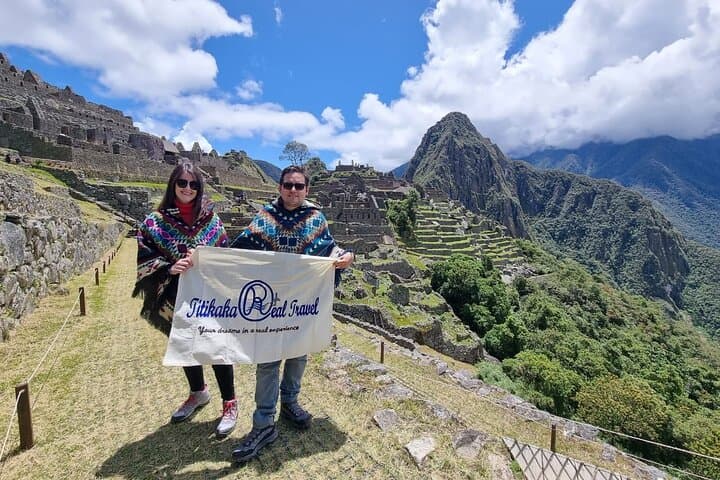
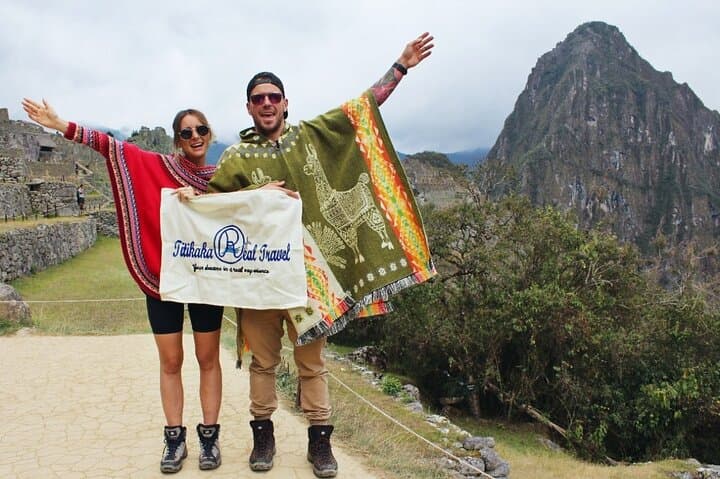
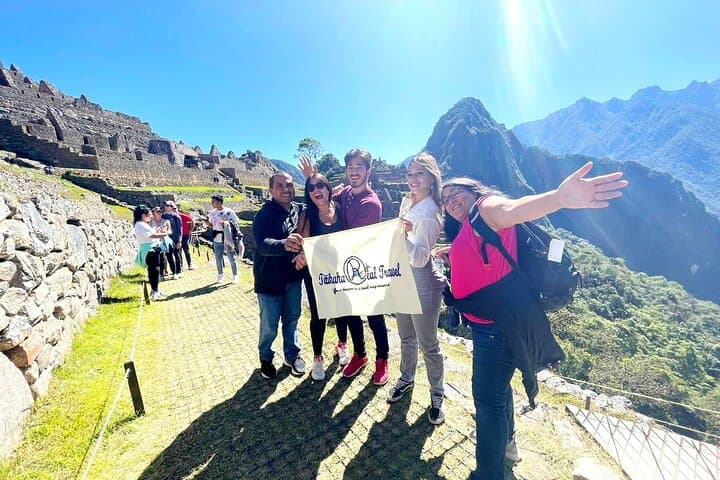
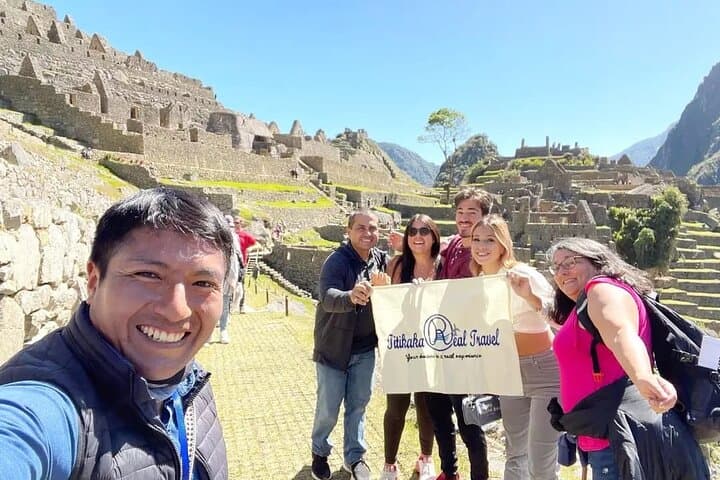
Dawn breaks over the Urubamba Valley and the train hums along the river, carrying you from highland streets to cloud-fringed ruins. By mid-morning the citadel appears—stone terraces sliding down the mountain, mist peeling away to reveal the jagged ridge of Huayna Picchu. The site breathes history; each carved block and stairway still directs footsteps the way the Incas intended.
Dawn breaks over the Urubamba Valley and the train hums along the river, carrying you from highland streets to cloud-fringed ruins. By mid-morning the citadel appears—stone terraces sliding down the mountain, mist peeling away to reveal the jagged ridge of Huayna Picchu. The site breathes history; each carved block and stairway still directs footsteps the way the Incas intended.
Machu Picchu dates to the 15th century, likely built as a royal estate and religious site during the reign of Pachacuti. Geologically it sits on granite outcrops carved by long-ago rivers; steep Andes slopes and persistent cloud cover created the microclimate that preserves orchids and moss on ancient walls. Culturally, the site reflects Inca engineering—agricultural terraces, water channels, and precise stone masonry—and modern Peruvian stewardship has tightened access with timed tickets and quotas.
Expect a guided 2–3 hour on-site tour covering the Temple of the Sun, the Three Windows, and the main terraces, plus a stop at the panoramic viewpoint for photos. The walk includes uneven stone steps and short steep sections; altitude (Cusco ~3,400 m, Machu Picchu ~2,430 m) influences effort and recovery. Practical tips: book permits and trains months ahead, carry layered clothing and rain protection, hydrate and eat light, and keep your passport for entrance checks.
Timing matters—early visits give softer light and fewer people; afternoons bring more clouds and larger groups. Respect restricted areas, follow your guide, and leave no trace to help preserve one of the world’s most visited archaeological sites.