THE ADVENTURE COLLECTIVE® · Independent discovery and booking for outdoor travel

Take a full-day, private train journey from Cusco through the Sacred Valley to the gates of Machu Picchu. This guided tour packs a 2–3 hour exploration of the Inca citadel, free time in Aguas Calientes, and round-trip transport into one long, unforgettable day.
Take a full-day, private train journey from Cusco through the Sacred Valley to the gates of Machu Picchu. This guided tour packs a 2–3 hour exploration of the Inca citadel, free time in Aguas Calientes, and round-trip transport into one long, unforgettable day.
Pre-dawn in Cusco feels like a held breath — the city’s cobbled streets glow under sodium lamps while a private van threads uphill toward Ollantaytambo. By mid-morning the train slips through the Sacred Valley, rivers daring you to look away as terraced slopes and cloud-wreathed peaks redraw the map outside the window.
Verified experiences and guided adventures in the surrounding area.
Operated by PERU TRAVEL COMPANY · Aguas Calientes, Cusco
Pre-dawn in Cusco feels like a held breath — the city’s cobbled streets glow under sodium lamps while a private van threads uphill toward Ollantaytambo. By mid-morning the train slips through the Sacred Valley, rivers daring you to look away as terraced slopes and cloud-wreathed peaks redraw the map outside the window.
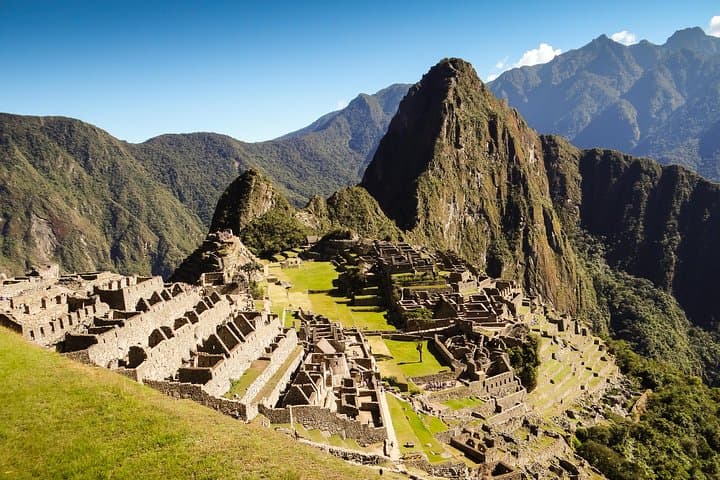
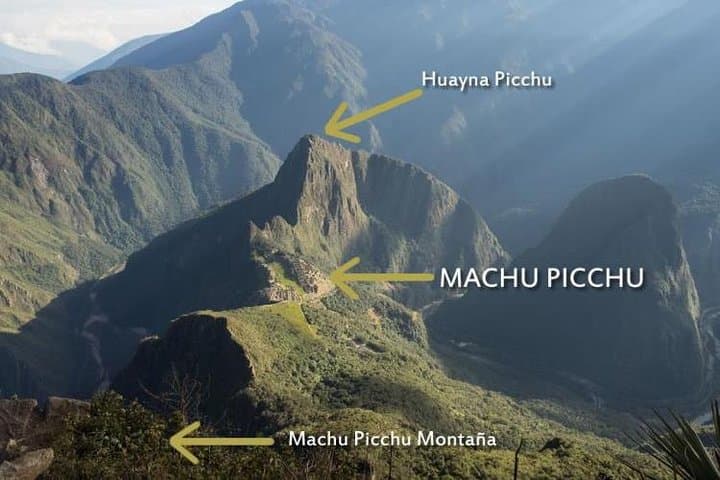
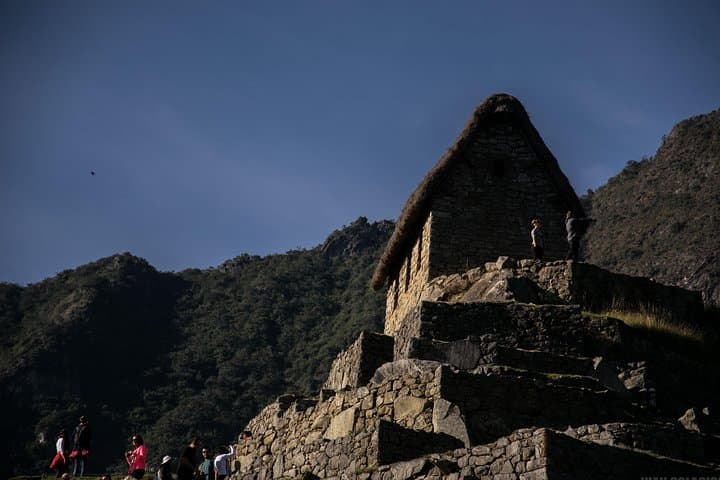
Machu Picchu sits on a sharp granite ridge between Huayna Picchu and Machu Picchu Mountain, built in the 15th century under Inca rule. The site’s finely cut ashlar walls and agricultural terraces reveal engineering tuned to steep topography and seismic soils; its plazas and temples still guide interpretations of Inca ritual and daily life.
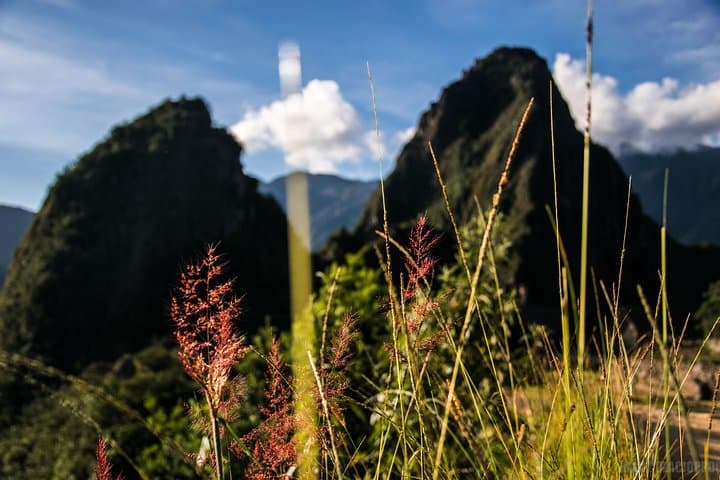
Cloud forest here has its own personality — orchids cling to fog-lashed rock and hummingbirds dart like punctuation. Local culture in Aguas Calientes mixes Quechua heritage with tourism rhythms: markets, cafes, and the town’s thermal baths are practical pit stops before and after the ruin.
Practically: you’ll be picked up around 4:00 a.m., take the Ollantaytambo–Aguas Calientes train, then a short bus to the ruins for a 2–3 hour guided circuit. Bring your passport (tickets are name-specific), dress in layers for sudden rain, and plan for long stone steps and uneven paths at altitude. Walking poles have restrictions at the control point; carry a basic first-aid kit, water, and sun protection.
This day trip compresses long travel into one full, rigorous day — the payoff is standing at an Inca terrace with the valley unfolding below, clouds pulling apart to reveal centuries of stone and sky.
moderate.
12–16 hours.
Good aerobic baseline recommended; expect multi-hour walking at high altitude with uneven terrain and many stairs.
Yes — daily visitor quotas mean entrances, Huayna Picchu slots, and train seats sell out; purchase before travel and bring the passport used at booking.
Guides typically lead a 2–3 hour circuit covering terraces, temples, and main viewpoints; you’ll have additional free time in Aguas Calientes for lunch or markets.
The itinerary lists wheelchair accessible transport, but the ruins themselves have many steep, uneven steps and limited accessibility; discuss needs with the operator before booking.
Symptoms can include headache and nausea; rest in Cusco, hydrate, avoid heavy meals and alcohol before the trip, and consider over-the-counter remedies or consulting your doctor.
Machu Picchu is a 15th-century Inca citadel attributed to Pachacuti; it was largely abandoned during the Spanish era and rediscovered by Hiram Bingham in 1911.
Visitor numbers are regulated with timed entrance tickets and restricted paths; stick to marked routes, carry out waste, and respect fragile archaeological areas.
PERU TRAVEL COMPANY operates guided outdoor trips and adventures with an emphasis on safety, stewardship, and memorable experiences.
Pre-dawn in Cusco feels like a held breath — the city’s cobbled streets glow under sodium lamps while a private van threads uphill toward Ollantaytambo. By mid-morning the train slips through the Sacred Valley, rivers daring you to look away as terraced slopes and cloud-wreathed peaks redraw the map outside the window.
Pre-dawn in Cusco feels like a held breath — the city’s cobbled streets glow under sodium lamps while a private van threads uphill toward Ollantaytambo. By mid-morning the train slips through the Sacred Valley, rivers daring you to look away as terraced slopes and cloud-wreathed peaks redraw the map outside the window.
Machu Picchu sits on a sharp granite ridge between Huayna Picchu and Machu Picchu Mountain, built in the 15th century under Inca rule. The site’s finely cut ashlar walls and agricultural terraces reveal engineering tuned to steep topography and seismic soils; its plazas and temples still guide interpretations of Inca ritual and daily life.
Cloud forest here has its own personality — orchids cling to fog-lashed rock and hummingbirds dart like punctuation. Local culture in Aguas Calientes mixes Quechua heritage with tourism rhythms: markets, cafes, and the town’s thermal baths are practical pit stops before and after the ruin.
Practically: you’ll be picked up around 4:00 a.m., take the Ollantaytambo–Aguas Calientes train, then a short bus to the ruins for a 2–3 hour guided circuit. Bring your passport (tickets are name-specific), dress in layers for sudden rain, and plan for long stone steps and uneven paths at altitude. Walking poles have restrictions at the control point; carry a basic first-aid kit, water, and sun protection.
This day trip compresses long travel into one full, rigorous day — the payoff is standing at an Inca terrace with the valley unfolding below, clouds pulling apart to reveal centuries of stone and sky.