THE ADVENTURE COLLECTIVE® · Independent discovery and booking for outdoor travel

See Machu Picchu on a single, full-day itinerary from Cusco: a Sacred Valley transfer, scenic train to Aguas Calientes and a guided walk through the Inca citadel. Long day and high altitude—plan gear and pacing accordingly.
See Machu Picchu on a single, full-day itinerary from Cusco: a Sacred Valley transfer, scenic train to Aguas Calientes and a guided walk through the Inca citadel. Long day and high altitude—plan gear and pacing accordingly.
Dawn in the Sacred Valley stretches a cool, thin light across terraced slopes as your bus eases out of Cusco and toward Ollantaytambo.
Verified experiences and guided adventures in the surrounding area.
Operated by EcoMachu picchu tours · Aguas Calientes (Machu Picchu Pueblo), Cusco
Dawn in the Sacred Valley stretches a cool, thin light across terraced slopes as your bus eases out of Cusco and toward Ollantaytambo.
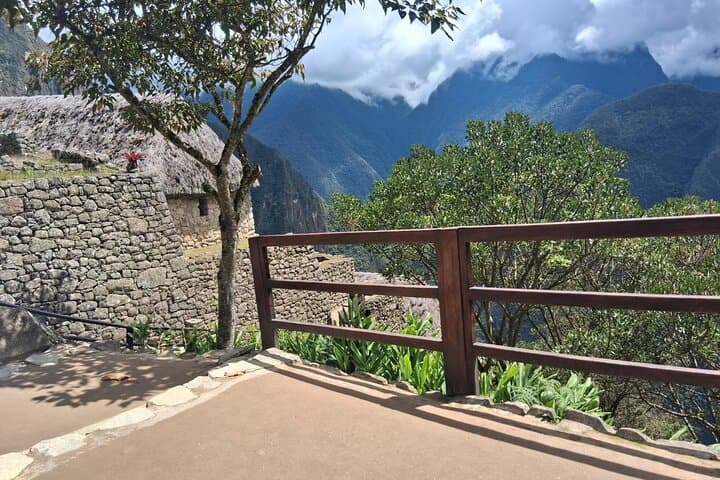
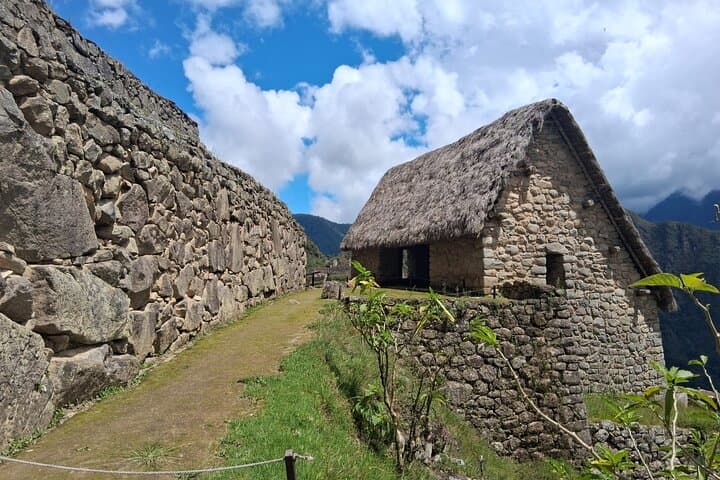
By the time you board the panoramic train the Andes have already begun to shape the day—river-edged gorges, steep agricultural terraces and low, cloud-softened peaks passing like chapters. In roughly 90 minutes the line drops into the humid cloud forest and you arrive at Aguas Calientes, the village that services Machu Picchu. A short shuttle or brisk stair climb delivers you to the Inca citadel, where stone walls, narrow terraces and angled doorways reveal both engineering precision and a worldview carved from rock.
Machu Picchu dates to the 15th century, often attributed to Pachacuti’s planners, and sits on a granite ridge above the Urubamba River. The site’s placement exploits ridgeline geology and hydrology to manage drainage and agriculture—features still visible in the terraces and fountains.
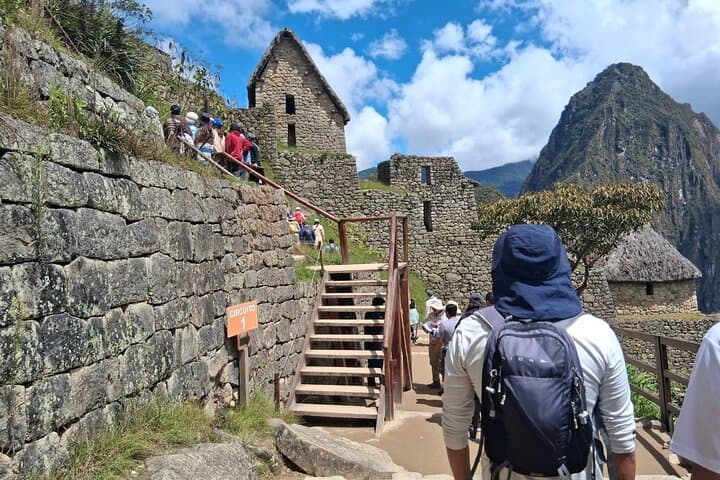
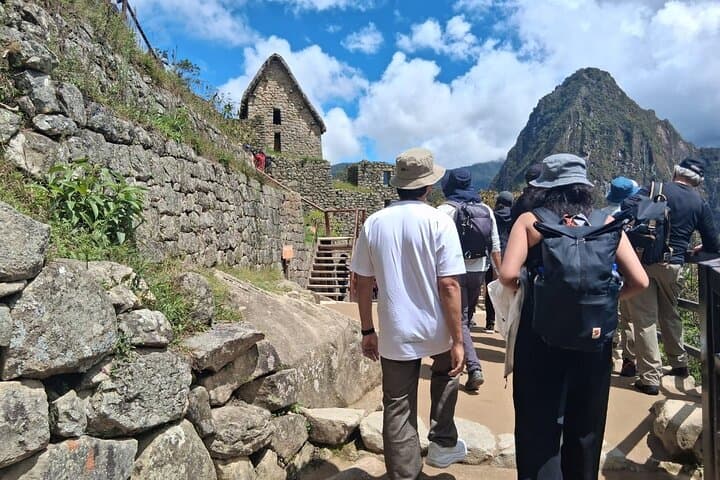
Expect a guided circuit through the main plaza, temple complexes and terraces, punctuated by steep stone steps and viewpoints. The day is long—this itinerary runs 14–15 hours round trip—so plan for altitude, variable weather and crowds within the permitted capacity system.
Practical advice: carry layered clothing, a rain shell, sun protection and at least 1–2 liters of water. Move deliberately on ancient stairways, listen to the guide for circulation routes and allot time in Aguas Calientes for a hot meal or brief rainforest walk before the return train.
This is a compressed, transport-heavy way to experience one of the Andes’ most significant archaeological sites: intense, accessible and unforgettable when planned with the right gear and pacing.
moderate.
14–15 hours.
Able to walk several kilometers over uneven stone steps and stand for guided segments; reasonable cardiovascular fitness helps with altitude and long day.
Yes—this itinerary includes round-trip train tickets and official Machu Picchu entrance according to the tour description.
Expect several kilometers of walking across uneven stone terraces and stairways; the guided circuit covers the main highlights with options to add viewpoints if time allows.
The tour is marketed as suitable for all fitness levels, but the long day, altitude and many stairs mean it may be strenuous for very young children or those with mobility limitations.
Aguas Calientes has restaurants and markets for meals before or after the visit; some train services also offer light onboard options—carry snacks for the site visit.
Machu Picchu was constructed in the 15th century during the reign of the Inca emperor Pachacuti and served ceremonial, agricultural and possibly elite residential roles.
Visitor numbers are regulated with timed entries to protect fragile stonework and terraces—follow marked paths, avoid touching walls and pack out waste.
EcoMachu picchu tours operates guided outdoor trips and adventures with an emphasis on safety, stewardship, and memorable experiences.
Dawn in the Sacred Valley stretches a cool, thin light across terraced slopes as your bus eases out of Cusco and toward Ollantaytambo.
Dawn in the Sacred Valley stretches a cool, thin light across terraced slopes as your bus eases out of Cusco and toward Ollantaytambo.
By the time you board the panoramic train the Andes have already begun to shape the day—river-edged gorges, steep agricultural terraces and low, cloud-softened peaks passing like chapters. In roughly 90 minutes the line drops into the humid cloud forest and you arrive at Aguas Calientes, the village that services Machu Picchu. A short shuttle or brisk stair climb delivers you to the Inca citadel, where stone walls, narrow terraces and angled doorways reveal both engineering precision and a worldview carved from rock.
Machu Picchu dates to the 15th century, often attributed to Pachacuti’s planners, and sits on a granite ridge above the Urubamba River. The site’s placement exploits ridgeline geology and hydrology to manage drainage and agriculture—features still visible in the terraces and fountains.
Expect a guided circuit through the main plaza, temple complexes and terraces, punctuated by steep stone steps and viewpoints. The day is long—this itinerary runs 14–15 hours round trip—so plan for altitude, variable weather and crowds within the permitted capacity system.
Practical advice: carry layered clothing, a rain shell, sun protection and at least 1–2 liters of water. Move deliberately on ancient stairways, listen to the guide for circulation routes and allot time in Aguas Calientes for a hot meal or brief rainforest walk before the return train.
This is a compressed, transport-heavy way to experience one of the Andes’ most significant archaeological sites: intense, accessible and unforgettable when planned with the right gear and pacing.