THE ADVENTURE COLLECTIVE® · Independent discovery and booking for outdoor travel

Make the most of one full day from Cusco: a private train-and-bus transfer delivers you to Machu Picchu for a guided tour through terraces, plazas, and cloud-forest views. Expect an early start, a long but manageable day, and a deep dive into Inca history and landscape.
Make the most of one full day from Cusco: a private train-and-bus transfer delivers you to Machu Picchu for a guided tour through terraces, plazas, and cloud-forest views. Expect an early start, a long but manageable day, and a deep dive into Inca history and landscape.
Before sunrise the train slips out of the highland chill and the mountains push closer—green folds giving way to terraces and cloud. The day begins in Cusco, threads through the Sacred Valley at Ollantaytambo, then descends by rail and bus into the bowl of Aguas Calientes. By the time you climb the short stair into the archaeological park, Machu Picchu spreads out: stone plazas, steep terraces, and Huayna Picchu’s jagged silhouette cutting the sky.
Verified experiences and guided adventures in the surrounding area.
Operated by Waka´s Adventure · Aguas Calientes (Machu Picchu Pueblo), Cusco Region
Before sunrise the train slips out of the highland chill and the mountains push closer—green folds giving way to terraces and cloud. The day begins in Cusco, threads through the Sacred Valley at Ollantaytambo, then descends by rail and bus into the bowl of Aguas Calientes. By the time you climb the short stair into the archaeological park, Machu Picchu spreads out: stone plazas, steep terraces, and Huayna Picchu’s jagged silhouette cutting the sky.
This isn’t just a photo stop. Machu Picchu was a 15th-century Inca citadel built on granite bedrock above the Urubamba River, later hidden from the world until Hiram Bingham’s 1911 expedition. The site sits where Andean geology, trimmed by incision and uplift, meets cloud-forest ecology—orchids and hummingbirds live along ancient stairways while terraces hint at agricultural mastery.
Locally, Aguas Calientes remains a practical gateway—markets sell coca leaves and grilled trout, and the hot springs offer tired travelers a heat-soaked reset. Guides will thread history, engineering, and Quechua perspectives through the loop; ask about water management and the quarry below the ceremonial sector.
Practically: expect a long day (train, bus, guided circuit, and returns). Bring your passport and printed ticket, layer for rapid weather shifts, and carry water and snacks for the gaps between services. Altitude in Cusco can affect energy—spend a day acclimating if possible. If you want Huayna Picchu or the Sun Gate, book those permits in advance. Respect posted routes—the site is protected and fragile, and following the guide keeps the experience smooth and legal.
moderate.
16 hours (full-day).
Able to walk 2–4 miles over uneven stone paths and climb stairs; stamina for a long day helps. Acclimatization recommended.
The full-day private itinerary runs roughly 12–16 hours door-to-door, including transfers, trains, the guided park visit, and return to Cusco.
Yes—bring the passport you booked with and the printed paper ticket; entry control requires ID matching the ticket.
The official walk is moderate: short stair sections and uneven ground. People with serious spine or heart conditions should consult a physician and the operator’s warnings.
Possible only with separate timed permits; those slots sell out in advance—book them ahead if you want either summit.
Machu Picchu was built in the 15th century under Inca rule and largely abandoned during the Spanish conquest; Hiram Bingham publicized the site in 1911.
Visitor numbers and routes are regulated to protect terraces and structures—stay on marked paths, avoid touching stonework, and use refillables to reduce plastic.
Waka´s Adventure operates guided outdoor trips and adventures with an emphasis on safety, stewardship, and memorable experiences.
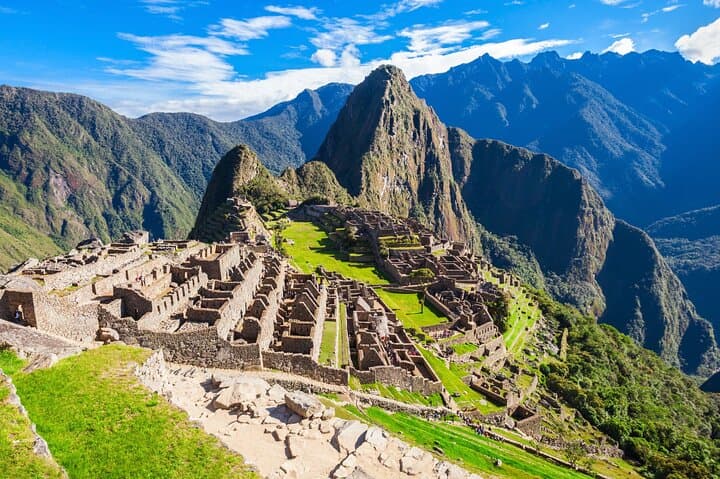
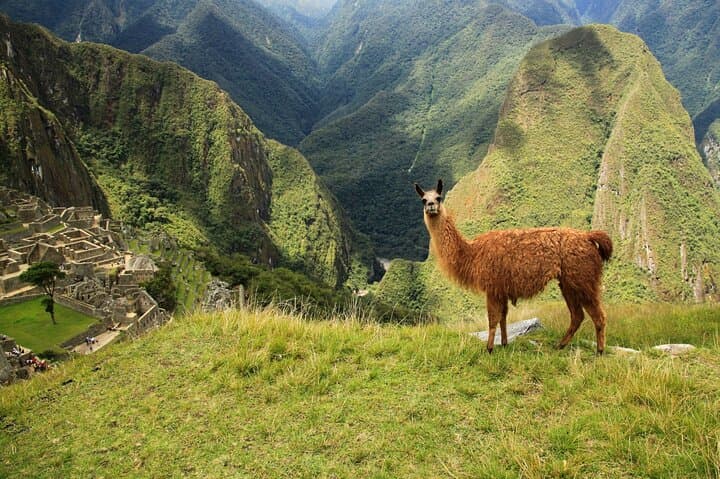
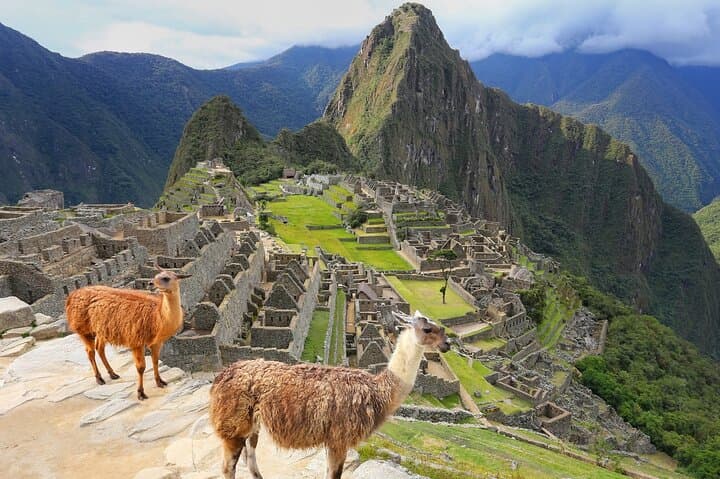
Before sunrise the train slips out of the highland chill and the mountains push closer—green folds giving way to terraces and cloud. The day begins in Cusco, threads through the Sacred Valley at Ollantaytambo, then descends by rail and bus into the bowl of Aguas Calientes. By the time you climb the short stair into the archaeological park, Machu Picchu spreads out: stone plazas, steep terraces, and Huayna Picchu’s jagged silhouette cutting the sky.
Before sunrise the train slips out of the highland chill and the mountains push closer—green folds giving way to terraces and cloud. The day begins in Cusco, threads through the Sacred Valley at Ollantaytambo, then descends by rail and bus into the bowl of Aguas Calientes. By the time you climb the short stair into the archaeological park, Machu Picchu spreads out: stone plazas, steep terraces, and Huayna Picchu’s jagged silhouette cutting the sky.
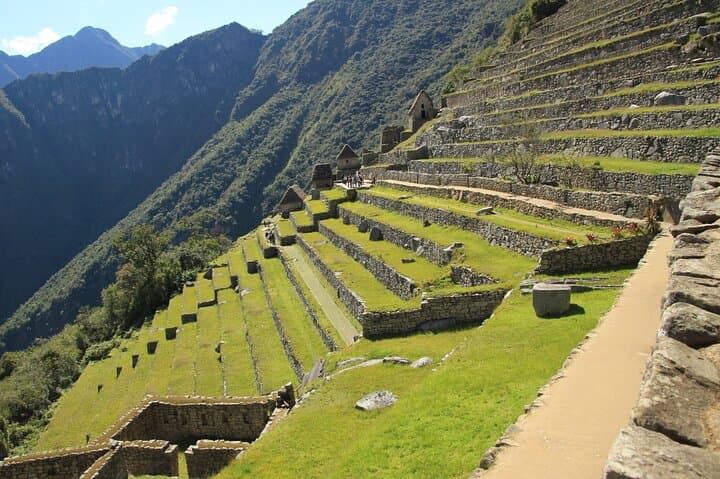
This isn’t just a photo stop. Machu Picchu was a 15th-century Inca citadel built on granite bedrock above the Urubamba River, later hidden from the world until Hiram Bingham’s 1911 expedition. The site sits where Andean geology, trimmed by incision and uplift, meets cloud-forest ecology—orchids and hummingbirds live along ancient stairways while terraces hint at agricultural mastery.
Locally, Aguas Calientes remains a practical gateway—markets sell coca leaves and grilled trout, and the hot springs offer tired travelers a heat-soaked reset. Guides will thread history, engineering, and Quechua perspectives through the loop; ask about water management and the quarry below the ceremonial sector.
Practically: expect a long day (train, bus, guided circuit, and returns). Bring your passport and printed ticket, layer for rapid weather shifts, and carry water and snacks for the gaps between services. Altitude in Cusco can affect energy—spend a day acclimating if possible. If you want Huayna Picchu or the Sun Gate, book those permits in advance. Respect posted routes—the site is protected and fragile, and following the guide keeps the experience smooth and legal.