THE ADVENTURE COLLECTIVE® · Independent discovery and booking for outdoor travel

Make the most of a single day from Cusco to the Inca citadel: an early transfer, a scenic train, and a guided visit to Machu Picchu. This practical guide explains what to expect—terrain, timing, and tips to handle the altitude-packed itinerary.
Make the most of a single day from Cusco to the Inca citadel: an early transfer, a scenic train, and a guided visit to Machu Picchu. This practical guide explains what to expect—terrain, timing, and tips to handle the altitude-packed itinerary.
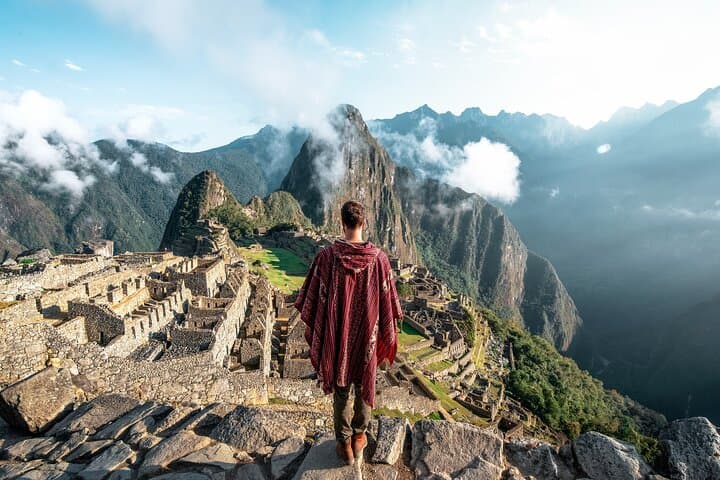
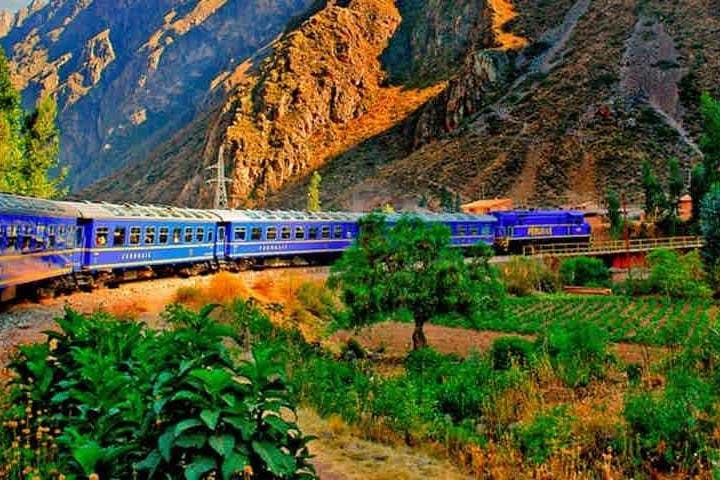
Dawn breaks over the Urubamba Valley and the train hums toward Aguas Calientes—by the time visitors step off, the cloud-wrapped silhouette of Machu Picchu is waiting like a history-laden ridge. The 1-day excursion from Cusco compresses mountain passes, Andean light, and the citadel’s stonework into a long, focused day: an early hotel pickup, a pre-dawn road transfer to Ollantaytambo, a scenic rail ride, then a short bus climb to the sanctuary entrance.
Verified experiences and guided adventures in the surrounding area.
Operated by Inca Trilogy Tours · Aguas Calientes (Machupicchu Pueblo), Cusco Region
Dawn breaks over the Urubamba Valley and the train hums toward Aguas Calientes—by the time visitors step off, the cloud-wrapped silhouette of Machu Picchu is waiting like a history-laden ridge. The 1-day excursion from Cusco compresses mountain passes, Andean light, and the citadel’s stonework into a long, focused day: an early hotel pickup, a pre-dawn road transfer to Ollantaytambo, a scenic rail ride, then a short bus climb to the sanctuary entrance.
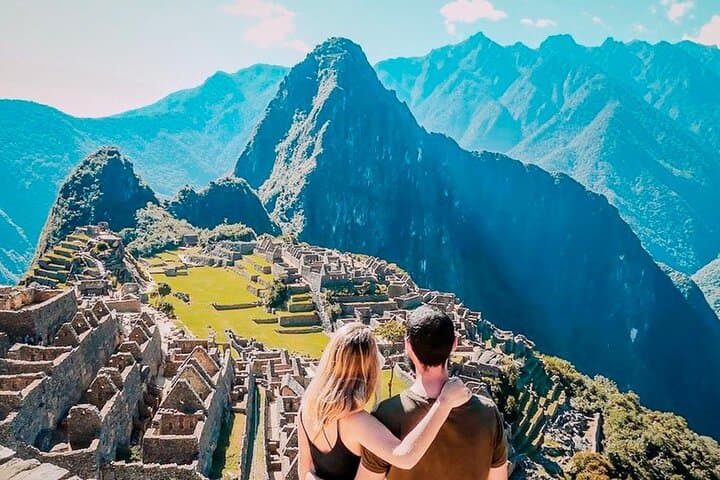
Machu Picchu sits on a limestone and granite spine carved by rivers and uplifted by tectonic forces; the Incas exploited terraces and dry-stone masonry to anchor structures on steep slopes. Built in the 15th century and brought to global attention in 1911, the site blends ceremonial plazas, agricultural terraces, and precise astronomical alignments. Local Quechua culture still shapes the region—guides often explain Inca cosmology while llamas wander terraces.
Practically, the day is long and altitude is the real variable: Cusco sits above 3,300 m and the itinerary demands stamina for hours on foot and multiple transfers. Book tickets and train seats well ahead; bring layered clothing for sun, wind, and sudden showers; carry water and snacks for the gaps between services. Expect paved pathways, stone steps, and steep viewpoints—good walking shoes and steady pacing pay off.
Plan for an early start, follow park rules, and leave time to absorb high-altitude light over the citadel. The reward is compact: three hours of guided history followed by free time to photograph, sit quietly, or climb a viewpoint before the return rail that brings you back to Cusco as evening falls.
moderate.
17 hours.
Able to walk 3–4 hours on uneven terrain and handle long travel days at high altitude; basic stamina required.
The tour is suitable for most people who can walk several hours and handle stairs; the main challenge is altitude rather than technical difficulty.
This excursion includes Machu Picchu entrance, train in Expedition/Voyager category, bus tickets to the citadel, and an official guide—confirm specific ticket class when booking.
There are basic facilities at the entrance and in Aguas Calientes; breakfast and lunch are not always included—carry snacks and local cash for meals.
Those hikes require separate timed tickets and are often sold out; they are not typically included in standard one-day itineraries—book in advance if desired.
Machu Picchu was constructed by the Inca in the 15th century and reintroduced to the wider world by Hiram Bingham in 1911; it functioned as a ceremonial and agricultural center.
The sanctuary uses timed entries and visitor limits to reduce erosion and protect fragile terraces—follow marked paths, avoid touching masonry, and carry out waste.
Inca Trilogy Tours operates guided outdoor trips and adventures with an emphasis on safety, stewardship, and memorable experiences.
Dawn breaks over the Urubamba Valley and the train hums toward Aguas Calientes—by the time visitors step off, the cloud-wrapped silhouette of Machu Picchu is waiting like a history-laden ridge. The 1-day excursion from Cusco compresses mountain passes, Andean light, and the citadel’s stonework into a long, focused day: an early hotel pickup, a pre-dawn road transfer to Ollantaytambo, a scenic rail ride, then a short bus climb to the sanctuary entrance.
Dawn breaks over the Urubamba Valley and the train hums toward Aguas Calientes—by the time visitors step off, the cloud-wrapped silhouette of Machu Picchu is waiting like a history-laden ridge. The 1-day excursion from Cusco compresses mountain passes, Andean light, and the citadel’s stonework into a long, focused day: an early hotel pickup, a pre-dawn road transfer to Ollantaytambo, a scenic rail ride, then a short bus climb to the sanctuary entrance.
Machu Picchu sits on a limestone and granite spine carved by rivers and uplifted by tectonic forces; the Incas exploited terraces and dry-stone masonry to anchor structures on steep slopes. Built in the 15th century and brought to global attention in 1911, the site blends ceremonial plazas, agricultural terraces, and precise astronomical alignments. Local Quechua culture still shapes the region—guides often explain Inca cosmology while llamas wander terraces.
Practically, the day is long and altitude is the real variable: Cusco sits above 3,300 m and the itinerary demands stamina for hours on foot and multiple transfers. Book tickets and train seats well ahead; bring layered clothing for sun, wind, and sudden showers; carry water and snacks for the gaps between services. Expect paved pathways, stone steps, and steep viewpoints—good walking shoes and steady pacing pay off.
Plan for an early start, follow park rules, and leave time to absorb high-altitude light over the citadel. The reward is compact: three hours of guided history followed by free time to photograph, sit quietly, or climb a viewpoint before the return rail that brings you back to Cusco as evening falls.