THE ADVENTURE COLLECTIVE® · Independent discovery and booking for outdoor travel

Experience Machu Picchu in one full day from Cusco: a scenic train through the Sacred Valley, guided exploration of the Inca citadel, and practical tips for altitude, timing, and what to bring.
Experience Machu Picchu in one full day from Cusco: a scenic train through the Sacred Valley, guided exploration of the Inca citadel, and practical tips for altitude, timing, and what to bring.
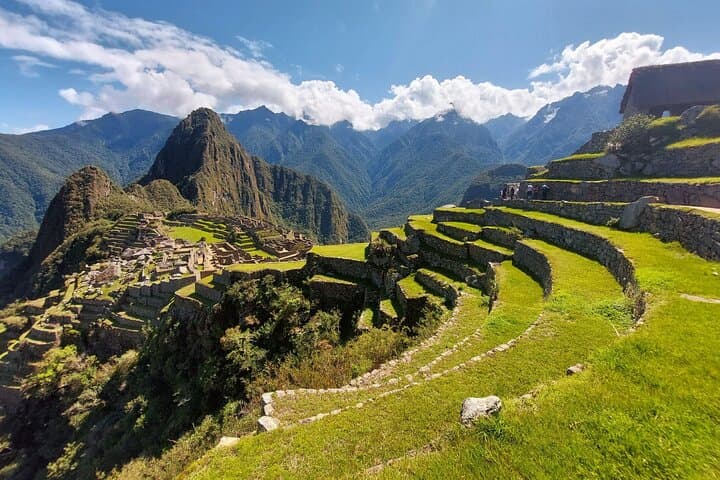
Dawn breaks behind the Andean ridges and the train winds through terraced slopes, the valley air pushing against the windows as you head toward Aguas Calientes. By the time you climb the final switchbacks to the archaeological park, mist lifts off the sun-baked stone and the citadel opens like a carved stage— stepped terraces, tight stone joints, and a sweep of cloud-draped peaks.
Verified experiences and guided adventures in the surrounding area.
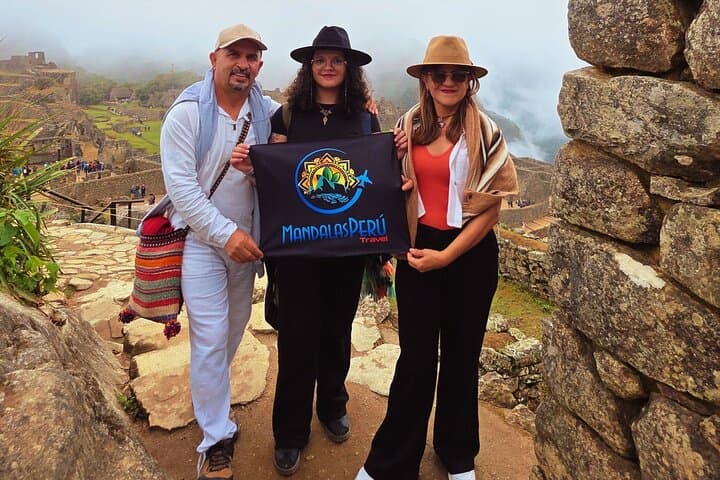
Operated by MANDALAS PERU TRAVEL · Aguas Calientes, Cusco
Dawn breaks behind the Andean ridges and the train winds through terraced slopes, the valley air pushing against the windows as you head toward Aguas Calientes. By the time you climb the final switchbacks to the archaeological park, mist lifts off the sun-baked stone and the citadel opens like a carved stage— stepped terraces, tight stone joints, and a sweep of cloud-draped peaks.
Machu Picchu sits at about 2,430 m (7,970 ft) above sea level, below Cusco’s 3,400 m highland seat. Built in the 15th century during the height of the Inca empire, the site shows advanced masonry and hydraulic terraces cut into steep volcanic slopes; the Urubamba River cuts a deep canyon below, daring you to look down. Cultural guides will trace Inca urban planning, the significance of Intihuatana, and how seasonal sun angles shaped ritual and agriculture.
Practical guide: this full-day outing typically departs Cusco before sunrise, includes a 1.5–2 hour train through the Sacred Valley and a 20–30 minute bus or 25–45 minute climb from Aguas Calientes to the park entrance. Expect 2–4 hours of walking inside Machu Picchu on uneven stone steps and packed dirt trails; total door-to-door time is roughly 12–14 hours. Altitude is the biggest challenge—allow 24–48 hours in Cusco to acclimatize, hydrate proactively, and move at a steady pace. Wear grippy footwear, layer for sun and sudden showers, and carry water, snacks, and your passport (required for entry).
Photography windows are early morning and late afternoon; mid-day brings more crowds. Respect restricted areas, stick to marked paths, and leave no trace so the stonework and cloud forest remain part of the landscape for the next travelers.
moderate.
12–14 hours.
Moderate fitness; able to walk 2–4 hours on uneven, stepped terrain and tolerate altitude.
The scenic train segments typically run 1.5–2 hours depending on origin (Ollantaytambo is common) and train service chosen.
The path includes steep stone steps and takes 25–45 minutes; it’s short but strenuous—buses also run frequently for a gentler option.
Yes—Cusco is higher than Machu Picchu, so resting 24–48 hours in Cusco and avoiding alcohol helps reduce altitude symptoms.
This tour typically includes lunch in Aguas Calientes; bring snacks and water for the walking portions of the day.
Machu Picchu was built in the 15th century under the Inca empire—its precise role (royal estate, religious center, or both) remains a subject of study.
Visitor capacity is managed by timed entries and strict path rules; stay on designated trails to protect fragile soils and archaeological features.
MANDALAS PERU TRAVEL operates guided outdoor trips and adventures with an emphasis on safety, stewardship, and memorable experiences.
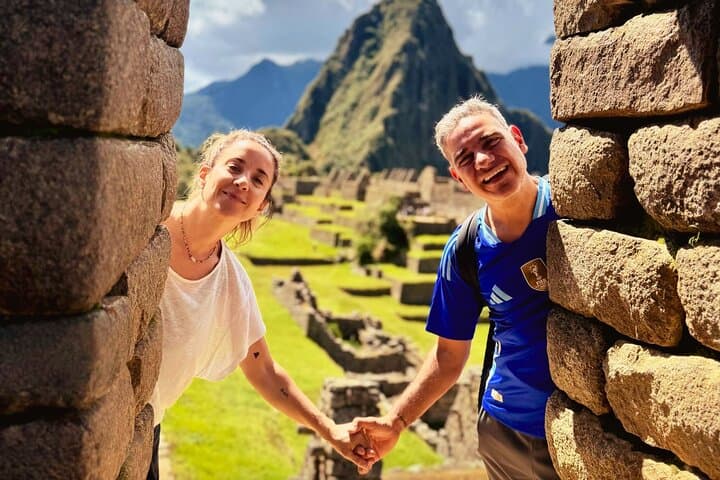
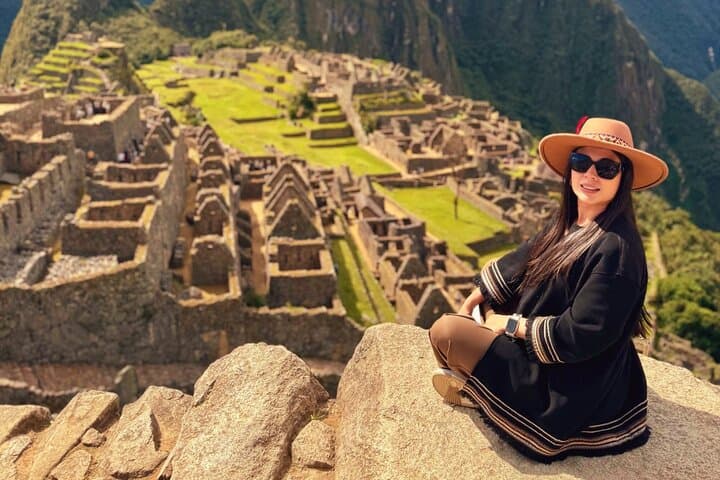
Dawn breaks behind the Andean ridges and the train winds through terraced slopes, the valley air pushing against the windows as you head toward Aguas Calientes. By the time you climb the final switchbacks to the archaeological park, mist lifts off the sun-baked stone and the citadel opens like a carved stage— stepped terraces, tight stone joints, and a sweep of cloud-draped peaks.
Dawn breaks behind the Andean ridges and the train winds through terraced slopes, the valley air pushing against the windows as you head toward Aguas Calientes. By the time you climb the final switchbacks to the archaeological park, mist lifts off the sun-baked stone and the citadel opens like a carved stage— stepped terraces, tight stone joints, and a sweep of cloud-draped peaks.
Machu Picchu sits at about 2,430 m (7,970 ft) above sea level, below Cusco’s 3,400 m highland seat. Built in the 15th century during the height of the Inca empire, the site shows advanced masonry and hydraulic terraces cut into steep volcanic slopes; the Urubamba River cuts a deep canyon below, daring you to look down. Cultural guides will trace Inca urban planning, the significance of Intihuatana, and how seasonal sun angles shaped ritual and agriculture.
Practical guide: this full-day outing typically departs Cusco before sunrise, includes a 1.5–2 hour train through the Sacred Valley and a 20–30 minute bus or 25–45 minute climb from Aguas Calientes to the park entrance. Expect 2–4 hours of walking inside Machu Picchu on uneven stone steps and packed dirt trails; total door-to-door time is roughly 12–14 hours. Altitude is the biggest challenge—allow 24–48 hours in Cusco to acclimatize, hydrate proactively, and move at a steady pace. Wear grippy footwear, layer for sun and sudden showers, and carry water, snacks, and your passport (required for entry).
Photography windows are early morning and late afternoon; mid-day brings more crowds. Respect restricted areas, stick to marked paths, and leave no trace so the stonework and cloud forest remain part of the landscape for the next travelers.