THE ADVENTURE COLLECTIVE® · Independent discovery and booking for outdoor travel

Take two paced days from Cusco by train to explore Machu Picchu and climb Huayna Picchu. This itinerary balances sightseeing with time to acclimate and includes practical tips on permits, timing and what to pack.
Take two paced days from Cusco by train to explore Machu Picchu and climb Huayna Picchu. This itinerary balances sightseeing with time to acclimate and includes practical tips on permits, timing and what to pack.
Morning mist lifts off the Urubamba and the train hums through steep, green valleys—by midday you step into Aguas Calientes, the small town that serves as the last human foothold before the citadel. On day two the bus climbs switchbacks and the ruins come into view: terraces cut into living rock, stairways running like veins up the mountain, and Huayna Picchu rising like a sharp-backed watchman above the city.
Verified experiences and guided adventures in the surrounding area.
Operated by Machupicchu USA · Aguas Calientes, Cusco
Morning mist lifts off the Urubamba and the train hums through steep, green valleys—by midday you step into Aguas Calientes, the small town that serves as the last human foothold before the citadel. On day two the bus climbs switchbacks and the ruins come into view: terraces cut into living rock, stairways running like veins up the mountain, and Huayna Picchu rising like a sharp-backed watchman above the city.
The site dates to the 15th-century Inca expansion, engineered on fractured granite shaped by tectonics and glacial action. Quechua descendants still keep oral histories and craft traditions in the Sacred Valley towns you pass—Ollantaytambo’s stonework and Chinchero’s markets underline a continuous cultural presence.
Expect a full two-day rhythm: a scenic PeruRail Expedition between Ollantaytambo and Aguas Calientes, an overnight in town, then a pre-dawn push to Machu Picchu. Huayna Picchu’s narrow, steep trail takes roughly 40–60 minutes up for fit hikers; permits are limited and time-slot specific. The Machu Picchu guide portion is typically two hours, focused on main temples, terraces and the urban core.
Practical edge: carry a valid passport (required for entry), allow time to acclimatize in Cusco before departure, and plan waterproof layers—weather swings quickly between sun and sudden showers. Wear grippy hiking shoes for the steep stone steps and use a small daypack; water, snacks, sunscreen and a quick-acting altitude remedy are smart insurance. Trains, buses and entrance windows are scheduled—book early, especially for Huayna Picchu, and keep photocopies of your ticket confirmations and passport details with you.
challenging.
2 days (active hiking ~6–8 hours across both days).
Good cardiovascular fitness and prior day-hiking experience recommended; acclimatization to 3,400 m advised
Yes — a current, valid passport is required for ticket check and train boarding; carry it with you on the day.
The ascent typically takes 40–60 minutes for fit hikers; the route is steep with narrow sections and a timed entry window.
Acclimatize in Cusco or the Sacred Valley for 24–48 hours, stay hydrated, move slowly and consult a doctor about acetazolamide if you have prior issues.
This itinerary includes round-trip PeruRail Expedition train between Ollantaytambo and Aguas Calientes and tourist buses between Aguas Calientes and Machu Picchu.
Machu Picchu was constructed by the Incas in the 15th century; Hiram Bingham brought it to international attention in 1911, and the site remains a core example of Inca stone engineering.
Entry is controlled by time-sloted permits to limit impacts; visitors should stay on marked paths, avoid single-use plastics and follow local guide instructions to protect fragile terraces and flora.
Machupicchu USA operates guided outdoor trips and adventures with an emphasis on safety, stewardship, and memorable experiences.

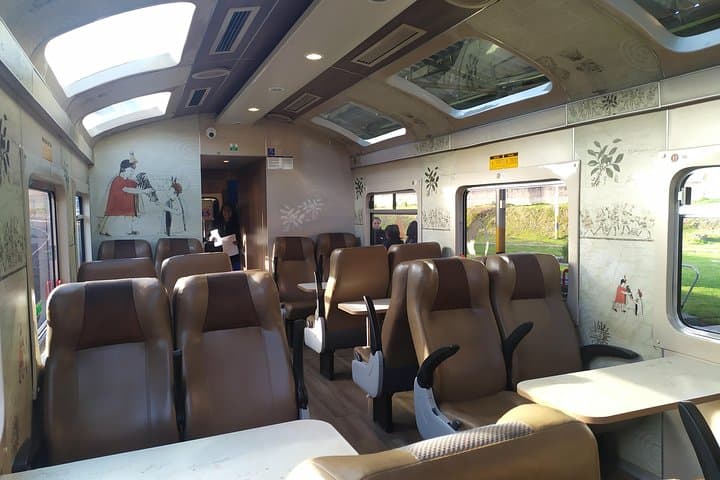

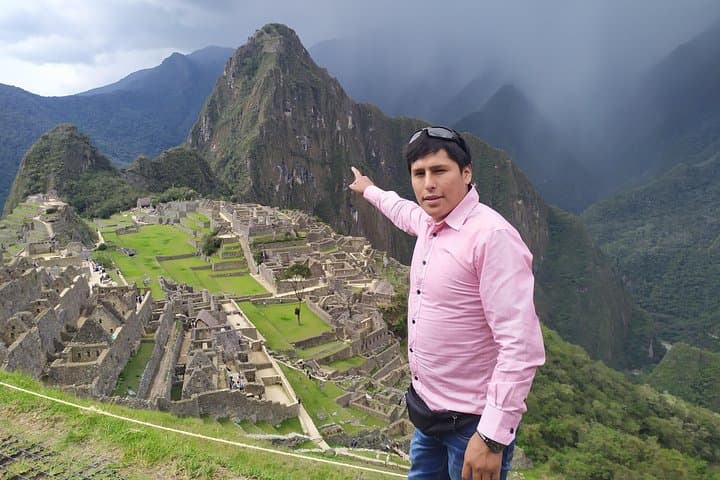
Morning mist lifts off the Urubamba and the train hums through steep, green valleys—by midday you step into Aguas Calientes, the small town that serves as the last human foothold before the citadel. On day two the bus climbs switchbacks and the ruins come into view: terraces cut into living rock, stairways running like veins up the mountain, and Huayna Picchu rising like a sharp-backed watchman above the city.
Morning mist lifts off the Urubamba and the train hums through steep, green valleys—by midday you step into Aguas Calientes, the small town that serves as the last human foothold before the citadel. On day two the bus climbs switchbacks and the ruins come into view: terraces cut into living rock, stairways running like veins up the mountain, and Huayna Picchu rising like a sharp-backed watchman above the city.
The site dates to the 15th-century Inca expansion, engineered on fractured granite shaped by tectonics and glacial action. Quechua descendants still keep oral histories and craft traditions in the Sacred Valley towns you pass—Ollantaytambo’s stonework and Chinchero’s markets underline a continuous cultural presence.
Expect a full two-day rhythm: a scenic PeruRail Expedition between Ollantaytambo and Aguas Calientes, an overnight in town, then a pre-dawn push to Machu Picchu. Huayna Picchu’s narrow, steep trail takes roughly 40–60 minutes up for fit hikers; permits are limited and time-slot specific. The Machu Picchu guide portion is typically two hours, focused on main temples, terraces and the urban core.
Practical edge: carry a valid passport (required for entry), allow time to acclimatize in Cusco before departure, and plan waterproof layers—weather swings quickly between sun and sudden showers. Wear grippy hiking shoes for the steep stone steps and use a small daypack; water, snacks, sunscreen and a quick-acting altitude remedy are smart insurance. Trains, buses and entrance windows are scheduled—book early, especially for Huayna Picchu, and keep photocopies of your ticket confirmations and passport details with you.