THE ADVENTURE COLLECTIVE® · Independent discovery and booking for outdoor travel

A compact, two-day itinerary from Cusco that combines a rail-side hike to Aguas Calientes with an early-morning visit and permited ascent of Waynapicchu. Ideal for travelers who want a full Machu Picchu experience on a tight timeline.
A compact, two-day itinerary from Cusco that combines a rail-side hike to Aguas Calientes with an early-morning visit and permited ascent of Waynapicchu. Ideal for travelers who want a full Machu Picchu experience on a tight timeline.
At first light the Andes push cool air down from the snowline of Verónica, and the road out of Cusco climbs toward Abra Málaga (4,316 m) before dropping into the humid Ceja de Selva. You’ll cross sharp microclimates—rocky puna, cloud forest, then the coffee-scented valley—until the van lets you out at Hidroeléctrica and the railway walk to Aguas Calientes begins.
Verified experiences and guided adventures in the surrounding area.
Operated by MACHU PICCHU POR BUS · Aguas Calientes, Cusco
At first light the Andes push cool air down from the snowline of Verónica, and the road out of Cusco climbs toward Abra Málaga (4,316 m) before dropping into the humid Ceja de Selva. You’ll cross sharp microclimates—rocky puna, cloud forest, then the coffee-scented valley—until the van lets you out at Hidroeléctrica and the railway walk to Aguas Calientes begins.
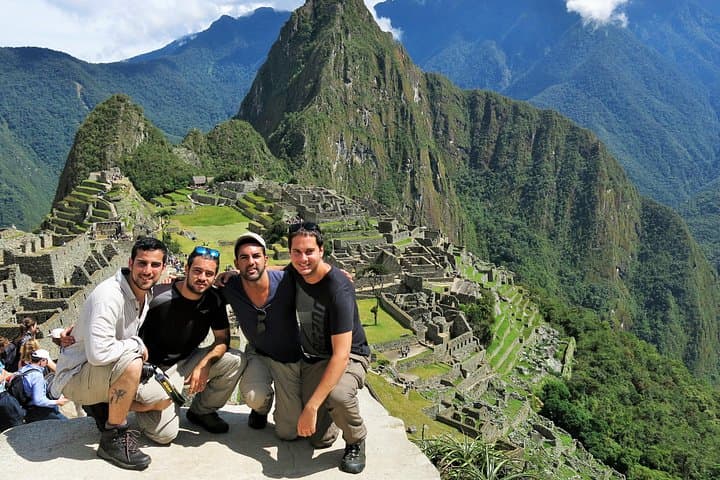
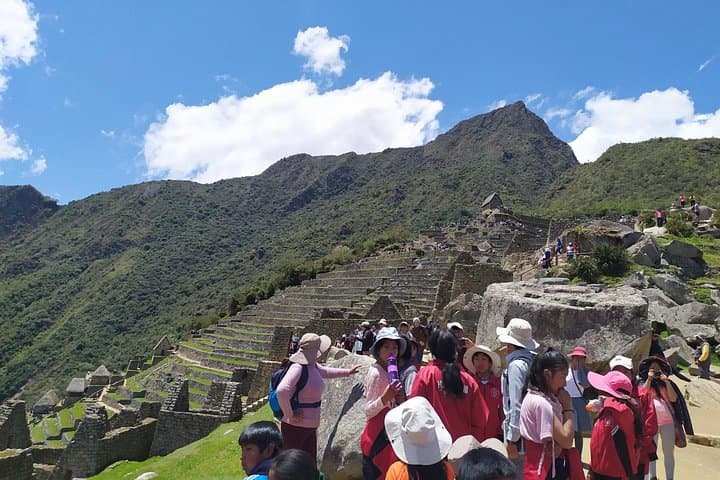
The route threads Inca history and modern geology: glaciated peaks carved valleys that the Incas linked with terraces and trails. Machu Picchu, built in the 15th century and brought to global attention in 1911, sits where granite ridgelines meet steep flanks and a bend in the Vilcanota River. Local towns like Santa Teresa are known for thermal springs and coffee farms; the area’s geology feeds those springs and supports dense cloud-forest biodiversity.
Expect a long travel day, a three-hour guided visit window at Machu Picchu focused on Waynapicchu permits, and a tight schedule that requires early mornings (leave Aguas Calientes by 04:30 to catch the first buses). The climb to Waynapicchu is steep, exposed in sections, and timed—so be prepared to move efficiently. Practicalities: acclimatize in Cusco first, carry original passport and printed tickets, bring layered clothing and rain protection, and keep to marked trails to protect fragile vegetation.
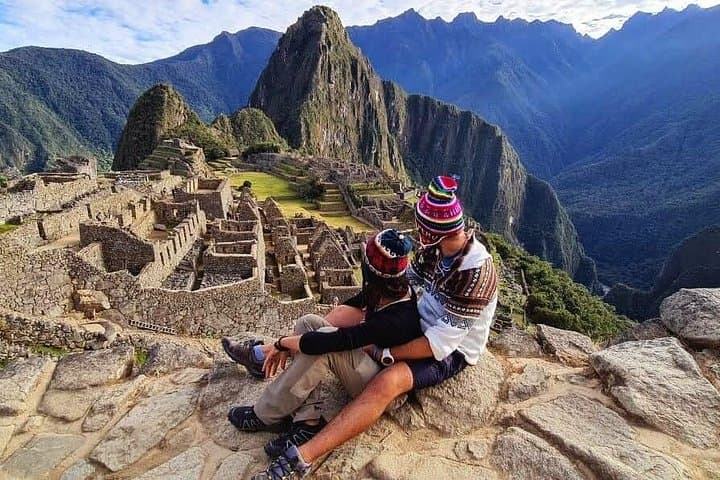
This trip balances cultural immersion with physical challenge—early starts, sharp climbs, and the payoff of sunrise light across terraces carved into volcanic and metamorphic bedrock.
challenging.
2 days.
Good cardiovascular fitness plus experience with steep, uneven trails; comfortable with long days and altitude.
The itinerary lists Waynapicchu entrance as included—always confirm your permit and exact time slot before travel; slots are limited and strict.
Most groups walk along the railway tracks beside the Vilcanota River for about 3 hours; it’s flat but exposed and can be muddy in the wet season.
Bus tickets are not explicitly included—guides recommend lining up early at Aguas Calientes for the first bus (starts ~05:20) to reach the site by 06:00.
Cusco sits above 3,300 m—allow 1–2 days to acclimatize, stay hydrated, avoid heavy alcohol, and consider acetazolamide if prone to symptoms (consult your doctor).
Machu Picchu was constructed by the Incas in the 15th century and gained worldwide attention after Hiram Bingham’s 1911 expedition; surrounding valleys supported Inca agriculture and routes.
Visitor numbers and strict entry times protect fragile terraces and trails—stay on marked paths, pack out waste, and avoid single-use plastics where possible.
MACHU PICCHU POR BUS operates guided outdoor trips and adventures with an emphasis on safety, stewardship, and memorable experiences.
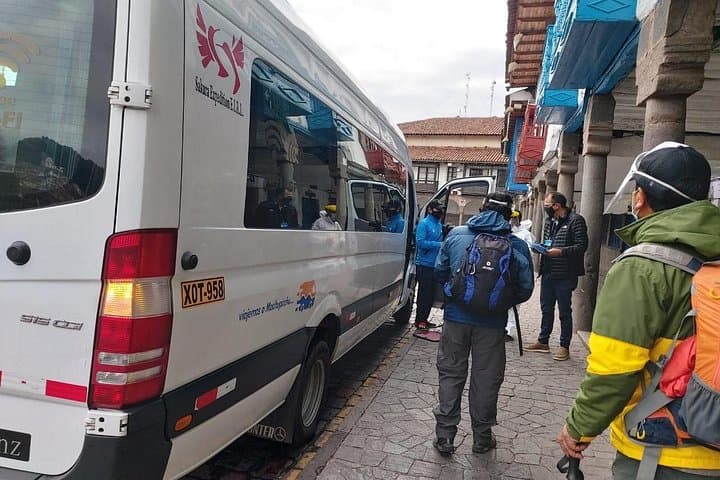
At first light the Andes push cool air down from the snowline of Verónica, and the road out of Cusco climbs toward Abra Málaga (4,316 m) before dropping into the humid Ceja de Selva. You’ll cross sharp microclimates—rocky puna, cloud forest, then the coffee-scented valley—until the van lets you out at Hidroeléctrica and the railway walk to Aguas Calientes begins.
At first light the Andes push cool air down from the snowline of Verónica, and the road out of Cusco climbs toward Abra Málaga (4,316 m) before dropping into the humid Ceja de Selva. You’ll cross sharp microclimates—rocky puna, cloud forest, then the coffee-scented valley—until the van lets you out at Hidroeléctrica and the railway walk to Aguas Calientes begins.
The route threads Inca history and modern geology: glaciated peaks carved valleys that the Incas linked with terraces and trails. Machu Picchu, built in the 15th century and brought to global attention in 1911, sits where granite ridgelines meet steep flanks and a bend in the Vilcanota River. Local towns like Santa Teresa are known for thermal springs and coffee farms; the area’s geology feeds those springs and supports dense cloud-forest biodiversity.
Expect a long travel day, a three-hour guided visit window at Machu Picchu focused on Waynapicchu permits, and a tight schedule that requires early mornings (leave Aguas Calientes by 04:30 to catch the first buses). The climb to Waynapicchu is steep, exposed in sections, and timed—so be prepared to move efficiently. Practicalities: acclimatize in Cusco first, carry original passport and printed tickets, bring layered clothing and rain protection, and keep to marked trails to protect fragile vegetation.
This trip balances cultural immersion with physical challenge—early starts, sharp climbs, and the payoff of sunrise light across terraces carved into volcanic and metamorphic bedrock.