THE ADVENTURE COLLECTIVE® · Independent discovery and booking for outdoor travel

A single-day sweep from Cusco to Machu Picchu combines a valley train ride, a steep bus climb, and a 2–3 hour guided tour of the Inca citadel. This practical guide covers what to expect on the day, how to prepare for altitude and uneven stonework, and timing tips to make the most of your visit.
A single-day sweep from Cusco to Machu Picchu combines a valley train ride, a steep bus climb, and a 2–3 hour guided tour of the Inca citadel. This practical guide covers what to expect on the day, how to prepare for altitude and uneven stonework, and timing tips to make the most of your visit.
You leave Cusco before dawn, the city’s red-tiled roofs dissolving into the high Andes as the van works up toward Ollantaytambo. The Expedition train threads the Urubamba Valley, mist lifting off the cloud forest until Aguas Calientes appears like a steam-warmed village at the base of the mountains. A short bus climb through hairpins delivers you to the checkpoint, and the first view of terraces and stonework arrests the breath — literally, at 2,430 m.
Verified experiences and guided adventures in the surrounding area.
Operated by TreXperience · Aguas Calientes (Machu Picchu Pueblo), Cusco
You leave Cusco before dawn, the city’s red-tiled roofs dissolving into the high Andes as the van works up toward Ollantaytambo. The Expedition train threads the Urubamba Valley, mist lifting off the cloud forest until Aguas Calientes appears like a steam-warmed village at the base of the mountains. A short bus climb through hairpins delivers you to the checkpoint, and the first view of terraces and stonework arrests the breath — literally, at 2,430 m.
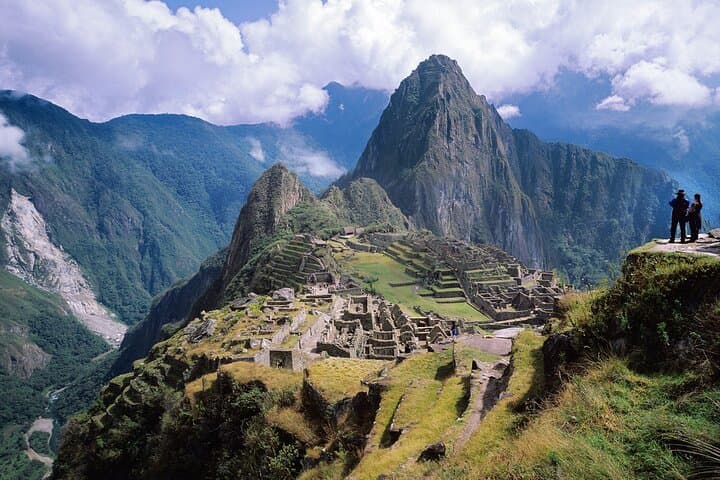
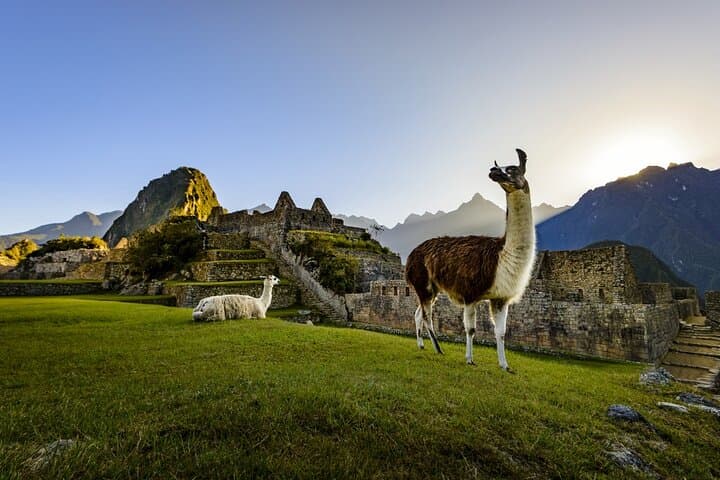
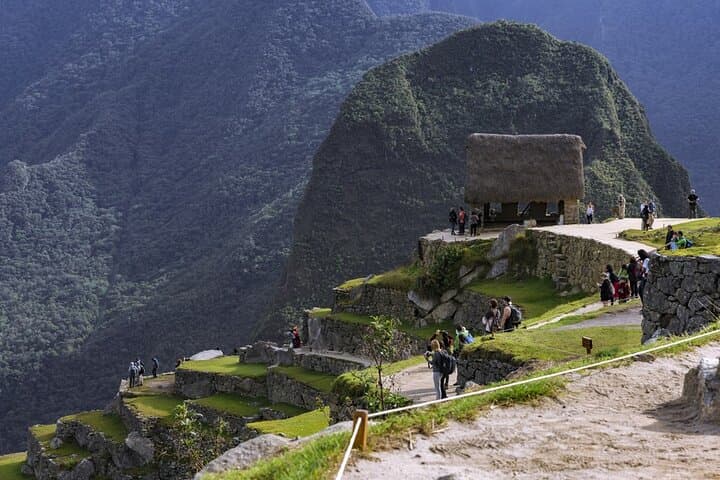
Machu Picchu is a 15th-century Inca citadel perched on a steep ridge carved from granite and sculpted into terraces to hold soil and water. The site’s temples, plazas, and storage buildings reveal engineering adapted to seismic slopes and heavy Andean rain. Local Quechua culture remains present in Aguas Calientes’ markets and in the cadence of guided tours; many guides combine archaeological detail with practical route choices.
Practically, expect a 12-hour day: hotel pickup in Cusco, train to Aguas Calientes, bus to the citadel, a 2–3 hour guided walk, and return trains. Carry your passport and ticket (required for entry), hike on uneven stone steps and narrow terraces, and be ready for sharp sun and sudden showers. Hydrate before you leave Cusco to ease altitude stress, wear grippy shoes for wet stone, and pick a morning slot for softer light and thinner crowds. The journey is equal parts logistics and landscape — follow your guide’s route, respect restricted areas, and allow time in Aguas Calientes for lunch and a slow descent back into the valley.
moderate.
12 hours.
Moderate fitness; able to walk several hours on uneven stone, climb many stairs, and tolerate high-altitude exertion.
The full-day itinerary runs about 12 hours: hotel pickup in Cusco, round-trip Expedition train, bus transfers, a 2–3 hour guided Machu Picchu tour, and return to Cusco. Lunch and park entry fees may not be included—confirm at booking.
The tour involves buses and uneven stone paths with many stairs; it’s not fully accessible within the citadel, though some nearby areas and transport can accommodate limited mobility—check operator accessibility details in advance.
Yes—Cusco is higher than Machu Picchu. Spend 24–48 hours in Cusco to acclimatize, hydrate, avoid heavy alcohol, and consider medication if you are prone to severe symptoms.
Water is allowed and recommended; food is restricted inside certain zones to protect the site. Eat in Aguas Calientes or designated areas and pack snacks for between transport legs.
Built in the 15th century under Inca rule and abandoned in the early 16th century, Machu Picchu combines agricultural terraces with ceremonial and administrative sectors.
Machu Picchu is a UNESCO World Heritage Site with visitor limits and strict path rules—stay on marked routes, pack out waste, and follow guide instructions to minimize impact.
TreXperience operates guided outdoor trips and adventures with an emphasis on safety, stewardship, and memorable experiences.
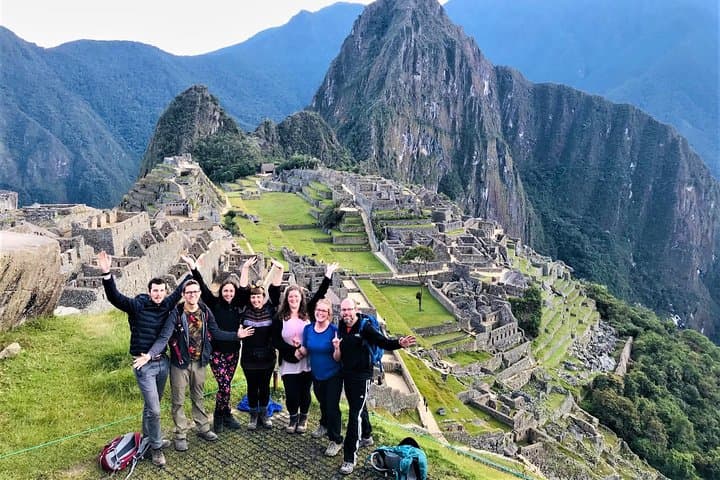
You leave Cusco before dawn, the city’s red-tiled roofs dissolving into the high Andes as the van works up toward Ollantaytambo. The Expedition train threads the Urubamba Valley, mist lifting off the cloud forest until Aguas Calientes appears like a steam-warmed village at the base of the mountains. A short bus climb through hairpins delivers you to the checkpoint, and the first view of terraces and stonework arrests the breath — literally, at 2,430 m.
You leave Cusco before dawn, the city’s red-tiled roofs dissolving into the high Andes as the van works up toward Ollantaytambo. The Expedition train threads the Urubamba Valley, mist lifting off the cloud forest until Aguas Calientes appears like a steam-warmed village at the base of the mountains. A short bus climb through hairpins delivers you to the checkpoint, and the first view of terraces and stonework arrests the breath — literally, at 2,430 m.
Machu Picchu is a 15th-century Inca citadel perched on a steep ridge carved from granite and sculpted into terraces to hold soil and water. The site’s temples, plazas, and storage buildings reveal engineering adapted to seismic slopes and heavy Andean rain. Local Quechua culture remains present in Aguas Calientes’ markets and in the cadence of guided tours; many guides combine archaeological detail with practical route choices.
Practically, expect a 12-hour day: hotel pickup in Cusco, train to Aguas Calientes, bus to the citadel, a 2–3 hour guided walk, and return trains. Carry your passport and ticket (required for entry), hike on uneven stone steps and narrow terraces, and be ready for sharp sun and sudden showers. Hydrate before you leave Cusco to ease altitude stress, wear grippy shoes for wet stone, and pick a morning slot for softer light and thinner crowds. The journey is equal parts logistics and landscape — follow your guide’s route, respect restricted areas, and allow time in Aguas Calientes for lunch and a slow descent back into the valley.