THE ADVENTURE COLLECTIVE® · Independent discovery and booking for outdoor travel

Start before sunrise and ride the Andean railway to Aguas Calientes, then climb by bus into the Machu Picchu sanctuary for a guided 2.5–3 hour tour. Expect an early, full day with transfers, archaeology-rich viewpoints, and time to explore the lost city on your own.
Start before sunrise and ride the Andean railway to Aguas Calientes, then climb by bus into the Machu Picchu sanctuary for a guided 2.5–3 hour tour. Expect an early, full day with transfers, archaeology-rich viewpoints, and time to explore the lost city on your own.
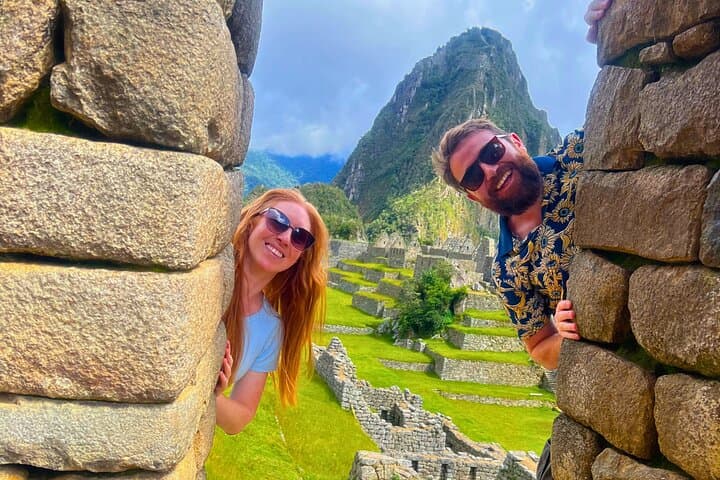
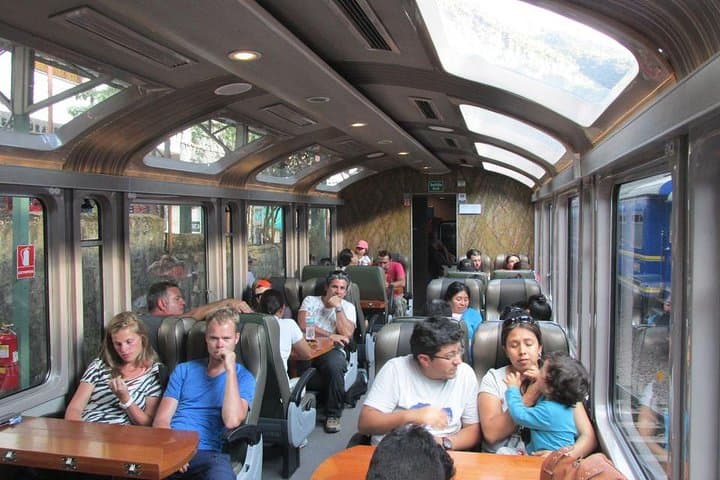
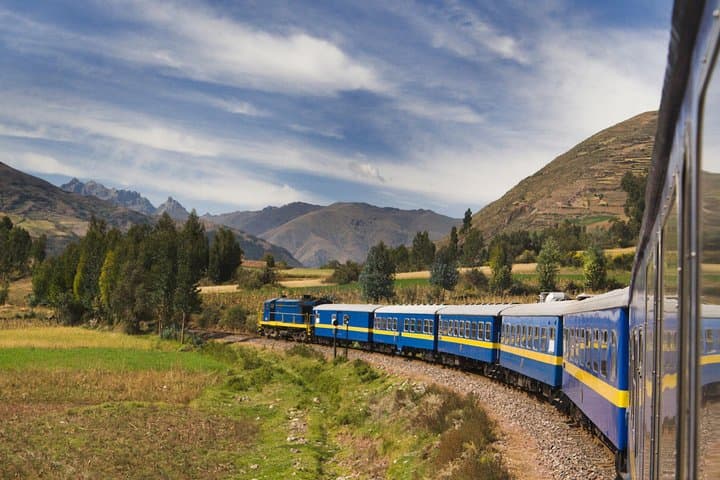
Before dawn the van slips through Cusco’s sleeping streets and the Andes open like a slow inhale. Hotel pickups begin before 4:00 a.m.; travelers are driven to Ollantaytambo or Poroy to catch the early train (typical departure ~6:40 a.m.), crossing river-cut valleys and terraced slopes toward Aguas Calientes. The train arrives around 8:00 a.m.; a 30-minute winding bus carries you up to the Machu Picchu Sanctuary where the mountain holds its stone city above the cloud line.
Verified experiences and guided adventures in the surrounding area.
Operated by Encuentros Peru Adventure · Aguas Calientes, Cusco Region
Before dawn the van slips through Cusco’s sleeping streets and the Andes open like a slow inhale. Hotel pickups begin before 4:00 a.m.; travelers are driven to Ollantaytambo or Poroy to catch the early train (typical departure ~6:40 a.m.), crossing river-cut valleys and terraced slopes toward Aguas Calientes. The train arrives around 8:00 a.m.; a 30-minute winding bus carries you up to the Machu Picchu Sanctuary where the mountain holds its stone city above the cloud line.
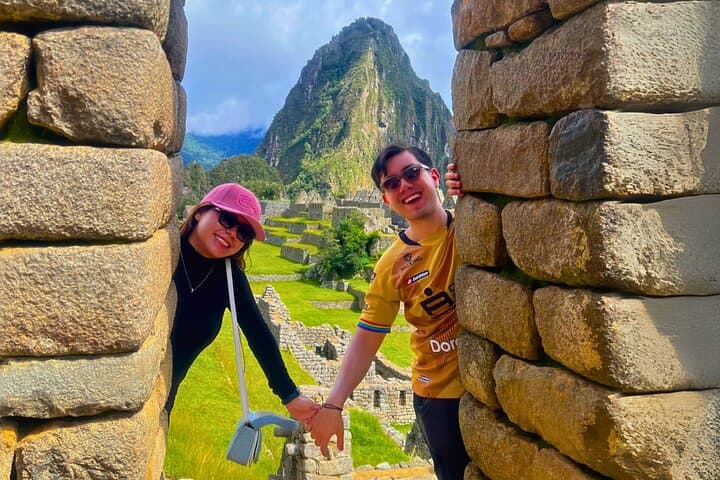
Machu Picchu sits at roughly 2,430 m—lower than Cusco’s 3,400 m—so the climb feels different: thinner air at departure, clearer skies at the ruins. The guided portion lasts about 2.5–3 hours, covering the Principal Plaza, Temple of the Sun and agricultural terraces, with time afterward to explore on your own or step out to the café and re-enter later the same day.
The stones are Inca work against a backdrop of granite ridges and steep cloud forest; geological faults and river erosion carved the Urubamba corridor that frames the site. Local guides focus on Inca engineering, water channels and the site’s 15th-century ceremonial uses, while modern conservation rules control foot traffic and require set entry times.
Practicality governs the day: expect an 18‑hour outing with early starts, packed trains, and several transfers. Bring layers, rain protection and your passport (required for entry). Hydrate for altitude, budget time for photos, and be prepared for uneven stone steps and short steep stretches—this is cultural archaeology with outdoor conditioning required.
moderate.
Full day (approx. 18 hours).
Moderate fitness—able to stand and walk on uneven stone for several hours, climb short steep sections and manage long travel day.
Hotel pickups typically start around 3:55 a.m. to reach the train station for a ~6:40 a.m. departure—confirm exact pickup time when you book.
Tickets are issued for a specific date and entry time; many permit re-entry to the sanctuary the same day after exiting to Aguas Calientes, but follow current access rules and gate times.
Yes—Cusco sits around 3,400 m. Spend a day or two acclimatizing if possible and stay hydrated; consider medication for altitude if advised by a physician.
This tour includes round-trip train from Ollantaytambo or Poroy, plus round-trip bus transfers between Aguas Calientes and the Machu Picchu Sanctuary, as stated in the itinerary.
Built in the mid-15th century under Pachacuti, Machu Picchu demonstrates classic Inca stone-cutting and terracing techniques and likely served ceremonial and administrative roles.
Visitor numbers and timed entries control erosion and protect fragile trails; stick to marked paths, avoid single-use plastics, and support local guide-led education programs.
Encuentros Peru Adventure operates guided outdoor trips and adventures with an emphasis on safety, stewardship, and memorable experiences.
Before dawn the van slips through Cusco’s sleeping streets and the Andes open like a slow inhale. Hotel pickups begin before 4:00 a.m.; travelers are driven to Ollantaytambo or Poroy to catch the early train (typical departure ~6:40 a.m.), crossing river-cut valleys and terraced slopes toward Aguas Calientes. The train arrives around 8:00 a.m.; a 30-minute winding bus carries you up to the Machu Picchu Sanctuary where the mountain holds its stone city above the cloud line.
Before dawn the van slips through Cusco’s sleeping streets and the Andes open like a slow inhale. Hotel pickups begin before 4:00 a.m.; travelers are driven to Ollantaytambo or Poroy to catch the early train (typical departure ~6:40 a.m.), crossing river-cut valleys and terraced slopes toward Aguas Calientes. The train arrives around 8:00 a.m.; a 30-minute winding bus carries you up to the Machu Picchu Sanctuary where the mountain holds its stone city above the cloud line.
Machu Picchu sits at roughly 2,430 m—lower than Cusco’s 3,400 m—so the climb feels different: thinner air at departure, clearer skies at the ruins. The guided portion lasts about 2.5–3 hours, covering the Principal Plaza, Temple of the Sun and agricultural terraces, with time afterward to explore on your own or step out to the café and re-enter later the same day.
The stones are Inca work against a backdrop of granite ridges and steep cloud forest; geological faults and river erosion carved the Urubamba corridor that frames the site. Local guides focus on Inca engineering, water channels and the site’s 15th-century ceremonial uses, while modern conservation rules control foot traffic and require set entry times.
Practicality governs the day: expect an 18‑hour outing with early starts, packed trains, and several transfers. Bring layers, rain protection and your passport (required for entry). Hydrate for altitude, budget time for photos, and be prepared for uneven stone steps and short steep stretches—this is cultural archaeology with outdoor conditioning required.