THE ADVENTURE COLLECTIVE® · Independent discovery and booking for outdoor travel

Take the day train from Cusco or Ollantaytambo to Aguas Calientes, then the shuttle up to Machu Picchu for a timed circuit through the citadel. This guide explains what to expect—terrain, ticketing, and practical tips—to make a one-day visit run smoothly.
Take the day train from Cusco or Ollantaytambo to Aguas Calientes, then the shuttle up to Machu Picchu for a timed circuit through the citadel. This guide explains what to expect—terrain, ticketing, and practical tips—to make a one-day visit run smoothly.
The rattling Andean train eases out of Cusco’s high-altitude bowl and the Sacred Valley unfurls: terraced fields clinging to steep slopes, the Urubamba River threading through gullies, and mist that lifts to reveal the stepped silhouette of Machu Picchu.
Verified experiences and guided adventures in the surrounding area.
Operated by Planfor2day · Aguas Calientes, Cusco Region
The rattling Andean train eases out of Cusco’s high-altitude bowl and the Sacred Valley unfurls: terraced fields clinging to steep slopes, the Urubamba River threading through gullies, and mist that lifts to reveal the stepped silhouette of Machu Picchu.
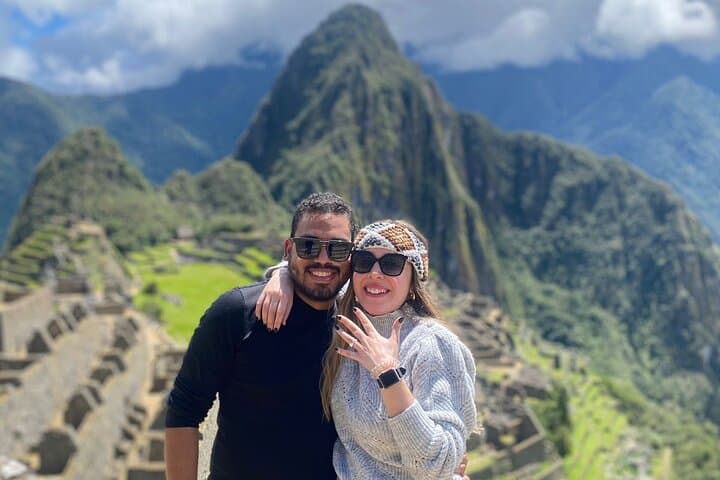
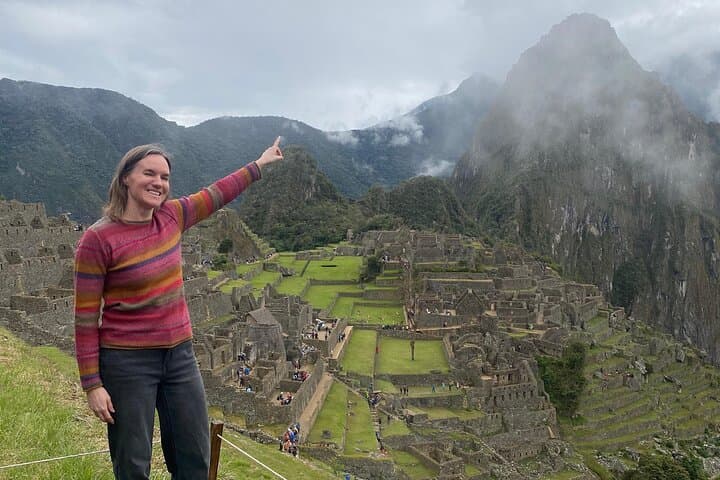
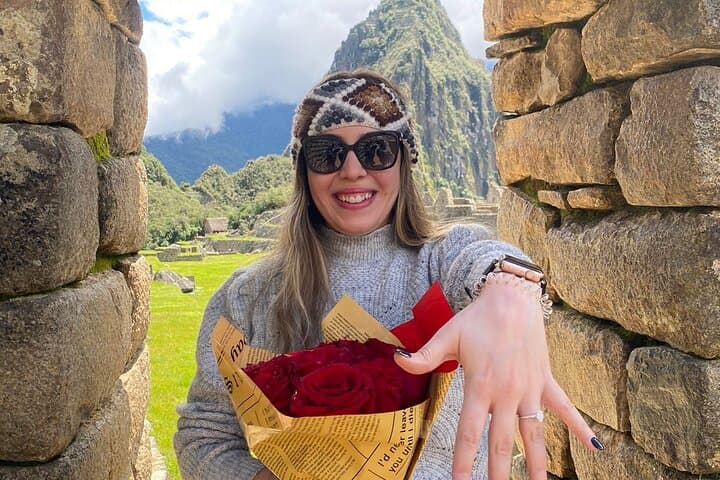
Constructed in the mid-1400s and reintroduced to the wider world in 1911, Machu Picchu is carved from granite and built around natural contours—agricultural terraces, finely cut stone temples and a maze of stairways. Geologically, the site sits on rugged, metamorphosed sandstone and granite in a cloud-forest ecotone; frequent rainfall and steep slopes keep the place green but fragile. Culturally, it is an emblem of Inca engineering: drainage channels, agricultural tiers, and precisely fitted masonry speak to practical ritual and agricultural planning.
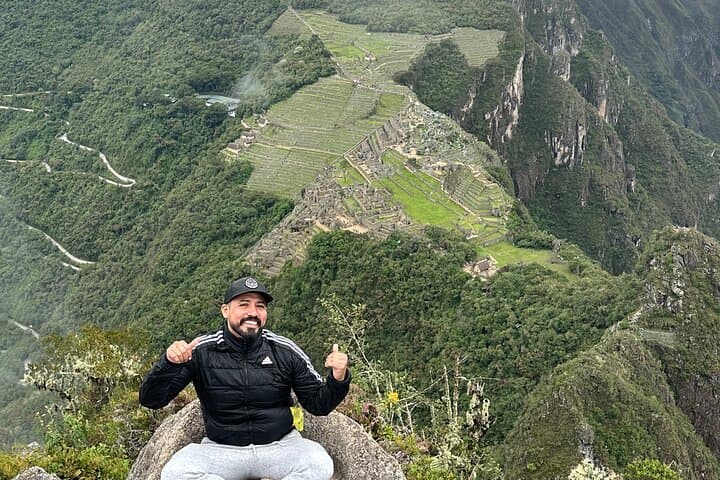
Most full-day train tours run from Cusco or Ollantaytambo to Aguas Calientes, then a 25–30 minute shuttle bus to the citadel. Tours typically follow one of three circuits: a panoramic pass, a full circuit with photo platform, or the temple-focused loop—each has different ticket limits and booking windows. Expect uneven stone steps, short steep climbs, and altitude effects if you arrive from low elevations.
Practical guidance: carry a rain shell, wear sturdy shoes with good grip, bring at least 1–2 liters of water, and allow an entire day for transit and site time. Ticket quotas are enforced—book train and entrance in advance when possible. Stick to marked paths to protect fragile terraces and cultural features; rangers and guides regulate flow to reduce erosion and preserve the citadel for future visitors.
moderate.
10–15 hours.
Suitable for travelers with moderate fitness who can handle uneven terrain, steep short climbs, and prolonged walking at altitude.
Plan on 10–15 hours door-to-door: early departure from Cusco, train to Aguas Calientes, bus to Machu Picchu, time at the site, and the return train in the evening.
Tickets are quota-limited; responsible operators will secure entrance when available, but some circuits require booking months in advance—confirm terms before purchasing.
Machu Picchu has steep, irregular stone steps and uneven paths; while some viewpoints are accessible, the full citadel requires good mobility—consult your operator about alternate viewpoints or limited-access options.
Dry season (May–September) offers clearer skies and firmer trails, but shoulder seasons (April and October) can mean fewer crowds—expect rain year-round in the cloud-forest zone.
Built in the 15th century under Inca rule, Machu Picchu was likely an estate for Inca nobility and a center for agricultural experimentation; it was brought to international attention in 1911 by Hiram Bingham.
Visitor numbers and timed circuits limit wear; follow marked trails, avoid touching masonry, and use park-approved guides to minimize erosion and cultural impact.
Planfor2day operates guided outdoor trips and adventures with an emphasis on safety, stewardship, and memorable experiences.
The rattling Andean train eases out of Cusco’s high-altitude bowl and the Sacred Valley unfurls: terraced fields clinging to steep slopes, the Urubamba River threading through gullies, and mist that lifts to reveal the stepped silhouette of Machu Picchu.
The rattling Andean train eases out of Cusco’s high-altitude bowl and the Sacred Valley unfurls: terraced fields clinging to steep slopes, the Urubamba River threading through gullies, and mist that lifts to reveal the stepped silhouette of Machu Picchu.
Constructed in the mid-1400s and reintroduced to the wider world in 1911, Machu Picchu is carved from granite and built around natural contours—agricultural terraces, finely cut stone temples and a maze of stairways. Geologically, the site sits on rugged, metamorphosed sandstone and granite in a cloud-forest ecotone; frequent rainfall and steep slopes keep the place green but fragile. Culturally, it is an emblem of Inca engineering: drainage channels, agricultural tiers, and precisely fitted masonry speak to practical ritual and agricultural planning.
Most full-day train tours run from Cusco or Ollantaytambo to Aguas Calientes, then a 25–30 minute shuttle bus to the citadel. Tours typically follow one of three circuits: a panoramic pass, a full circuit with photo platform, or the temple-focused loop—each has different ticket limits and booking windows. Expect uneven stone steps, short steep climbs, and altitude effects if you arrive from low elevations.
Practical guidance: carry a rain shell, wear sturdy shoes with good grip, bring at least 1–2 liters of water, and allow an entire day for transit and site time. Ticket quotas are enforced—book train and entrance in advance when possible. Stick to marked paths to protect fragile terraces and cultural features; rangers and guides regulate flow to reduce erosion and preserve the citadel for future visitors.