THE ADVENTURE COLLECTIVE® · Independent discovery and booking for outdoor travel

Board the panoramic Vistadome train and spend a focused day exploring Machu Picchu’s temples, terraces and viewpoints. This private full-day tour pairs comfortable transport with guided access and practical timing to maximize time at the citadel.
Board the panoramic Vistadome train and spend a focused day exploring Machu Picchu’s temples, terraces and viewpoints. This private full-day tour pairs comfortable transport with guided access and practical timing to maximize time at the citadel.
Morning light trims the low clouds as the Vistadome train eases out of Ollantaytambo toward Aguas Calientes. Travelers step from polished windows into a valley where terraces hang on steep slopes and mist-wrapped peaks keep watch. For two intense hours on site, the citadel’s central plaza, noble residences and ceremonial niches offer clear lines of sight to the engineering and ritual heart of the Inca world.
Verified experiences and guided adventures in the surrounding area.
Operated by Travel And Living Peru · Aguas Calientes, Cusco
Morning light trims the low clouds as the Vistadome train eases out of Ollantaytambo toward Aguas Calientes. Travelers step from polished windows into a valley where terraces hang on steep slopes and mist-wrapped peaks keep watch. For two intense hours on site, the citadel’s central plaza, noble residences and ceremonial niches offer clear lines of sight to the engineering and ritual heart of the Inca world.
Machu Picchu sits on a granite spine carved by tectonic uplift and river incision; its terraces manage erosion and microclimates. The site—likely a 15th-century royal estate—was reintroduced to world attention in 1911 and remains a cultural icon guarded by strict visitor windows and permits. Along the route, the Sacred Valley towns, Ollantaytambo’s living Inca streets and the circular agricultural labs at Moray reveal the region’s layered agricultural and colonial history.
Practically, this private full-day itinerary uses the Vistadome observatory train and local shuttle buses, and it typically runs 13–14 hours door to door from Cusco. Expect paved and packed-stone walking at altitude (about 2,430 m / 7,970 ft at Aguas Calientes; 2,430–2,430 m at Machu Picchu), short stair sections and steady inclines to viewpoints. Hydrate well, move slowly on the first steps to accommodate altitude, and bring rain protection year-round—the mountain makes its own weather. Book early for morning entry slots to avoid crowds, carry your passport (required for admission), and wear grippy footwear for damp stone. This tour blends comfort transport with concentrated time at one of South America’s most unforgettable archaeological landscapes.
easy.
13–14 hours.
Basic fitness for walking on uneven stone and short stair sections; able to be on your feet for several hours at altitude.
This private full-day tour uses the Vistadome observatory train (Ollantaytambo–Aguas Calientes round trip) plus private land transport between Cusco and Ollantaytambo and the local shuttle bus to Machu Picchu.
Yes—entry to Machu Picchu is checked against the name and passport used at booking; a mobile or paper ticket is accepted but carry ID.
The itinerary is classified as easy: walking inside Machu Picchu involves uneven stone and stairs but no technical climbing; allow time to adjust to altitude.
Climbs require separate permits that often need advance booking; this standard full-day tour focuses on the main citadel and does not automatically include those hikes.
Machu Picchu was built in the 15th century as an elite Inca estate or religious center and was documented to the outside world in 1911 by Hiram Bingham; surrounding valley sites like Ollantaytambo and Moray show the region’s agricultural innovation.
Visitor limits, timed entry and strict trail routing are enforced to protect terraces and stonework; follow guidance, stay on paths and pack out waste to reduce impact.
Travel And Living Peru operates guided outdoor trips and adventures with an emphasis on safety, stewardship, and memorable experiences.


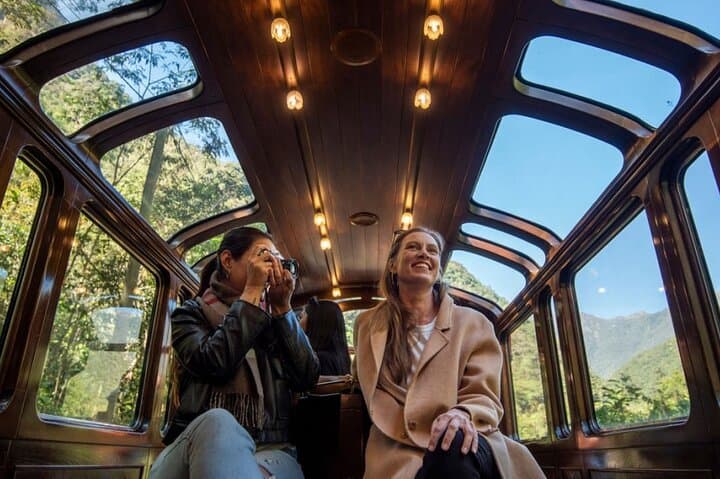

Morning light trims the low clouds as the Vistadome train eases out of Ollantaytambo toward Aguas Calientes. Travelers step from polished windows into a valley where terraces hang on steep slopes and mist-wrapped peaks keep watch. For two intense hours on site, the citadel’s central plaza, noble residences and ceremonial niches offer clear lines of sight to the engineering and ritual heart of the Inca world.
Morning light trims the low clouds as the Vistadome train eases out of Ollantaytambo toward Aguas Calientes. Travelers step from polished windows into a valley where terraces hang on steep slopes and mist-wrapped peaks keep watch. For two intense hours on site, the citadel’s central plaza, noble residences and ceremonial niches offer clear lines of sight to the engineering and ritual heart of the Inca world.
Machu Picchu sits on a granite spine carved by tectonic uplift and river incision; its terraces manage erosion and microclimates. The site—likely a 15th-century royal estate—was reintroduced to world attention in 1911 and remains a cultural icon guarded by strict visitor windows and permits. Along the route, the Sacred Valley towns, Ollantaytambo’s living Inca streets and the circular agricultural labs at Moray reveal the region’s layered agricultural and colonial history.
Practically, this private full-day itinerary uses the Vistadome observatory train and local shuttle buses, and it typically runs 13–14 hours door to door from Cusco. Expect paved and packed-stone walking at altitude (about 2,430 m / 7,970 ft at Aguas Calientes; 2,430–2,430 m at Machu Picchu), short stair sections and steady inclines to viewpoints. Hydrate well, move slowly on the first steps to accommodate altitude, and bring rain protection year-round—the mountain makes its own weather. Book early for morning entry slots to avoid crowds, carry your passport (required for admission), and wear grippy footwear for damp stone. This tour blends comfort transport with concentrated time at one of South America’s most unforgettable archaeological landscapes.