THE ADVENTURE COLLECTIVE® · Independent discovery and booking for outdoor travel

Rise before sunrise in Cusco for a day of trains, river valleys, and the terraces of Machu Picchu. This full-day tour bundles transport, a guided two-hour visit, and time to explore Aguas Calientes before returning to Cusco late at night.
Rise before sunrise in Cusco for a day of trains, river valleys, and the terraces of Machu Picchu. This full-day tour bundles transport, a guided two-hour visit, and time to explore Aguas Calientes before returning to Cusco late at night.
Before dawn the van eases through Cusco's sleeping streets and the Andes press close, pale peaks turning first light into a cool silver. At 3:50 a.m. the group departs, cutting across high puna toward Ollantaytambo; later the train slides into the green Urubamba Valley and into Aguas Calientes, a steam-and-market town that serves as the gateway to Machu Picchu.
Verified experiences and guided adventures in the surrounding area.
Operated by Machu Picchu Cheap · Cusco, Cusco Region
Before dawn the van eases through Cusco's sleeping streets and the Andes press close, pale peaks turning first light into a cool silver. At 3:50 a.m. the group departs, cutting across high puna toward Ollantaytambo; later the train slides into the green Urubamba Valley and into Aguas Calientes, a steam-and-market town that serves as the gateway to Machu Picchu.
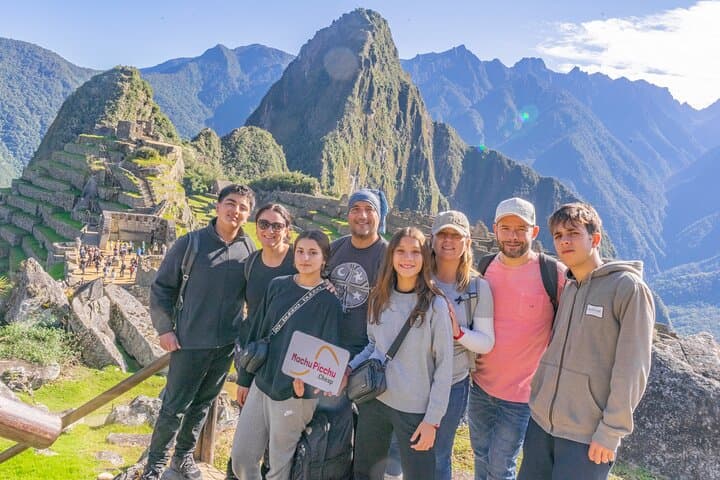
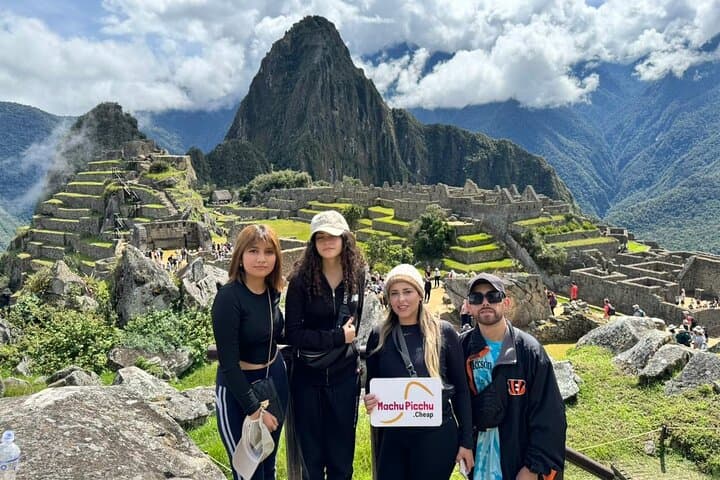
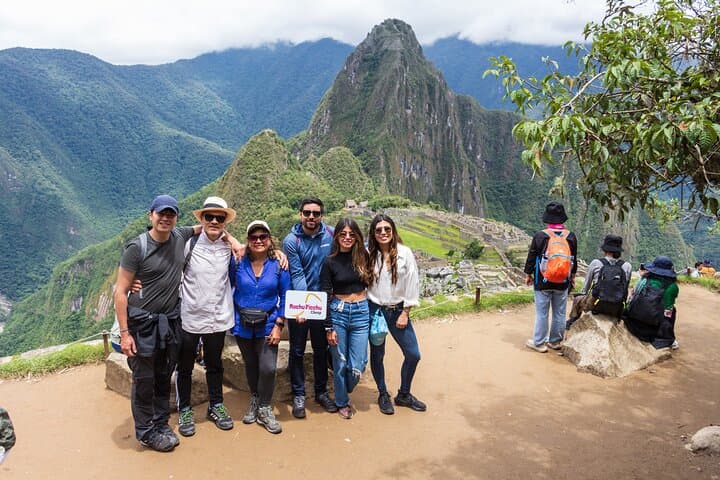
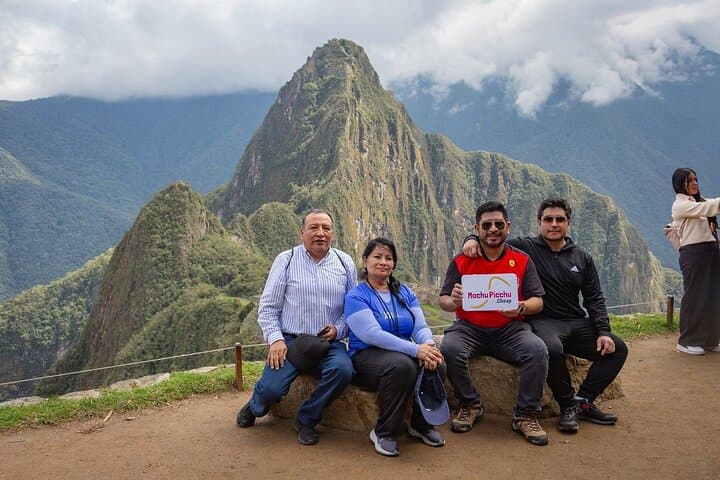
Machu Picchu sits at about 2,430 m where Inca stonework meets cloud forest. The guided portion covers the Main Plaza, Royal Quarters, and the Temple of the Three Windows, explaining terrace irrigation, stone fitting, and the site's role in Inca ritual and administration. Geologically the citadel perches on granitic outcrops above steep river gorges, and the Urubamba River below seems to dare the terraces to hold their place. Aguas Calientes offers hot springs and market stalls while Ollantaytambo on the route reflects earlier Inca control of the valley.
Practically, this is a long, logistics-driven day: included are train tickets, bus up and down to Machu Picchu, and a guided two-plus-hour visit, with free time afterwards. Expect many stairs, variable weather, and crowds concentrated mid-morning. Hydrate and layer—temperature swings between Cusco and the ruins are real—and allow time to move deliberately through narrow paths and viewpoints. Photography, quiet reflection at the Intihuatana viewpoint, and a visit to the terraces reward slower pacing. The return train and bus bring you back to Cusco late evening, making this an intense but singular way to experience the ruins in a single, carefully planned day.
moderate.
18–20 hours.
Moderate fitness: you should be comfortable walking several kilometers with stairs and short steep sections; stamina for a long travel day helps.
The included guided portion lasts a little over two hours and covers key sites like the Main Plaza, Royal Quarters, and Temple of the Three Windows.
The itinerary returns to Cusco late in the evening, approximately 22:30, depending on train schedules and traffic.
Yes—official ID (passport) is required to match your Machu Picchu ticket, so bring the original document.
The site has many uneven steps and narrow paths; visitors with limited mobility may find access challenging and should inquire about alternative arrangements.
Machu Picchu was built in the 15th century and functioned as a royal estate and religious site for the Inca; its modern rediscovery in 1911 reintroduced it to global audiences.
Visitor numbers are managed with timed entry and designated trails to protect fragile terraces and archaeological fabric; follow marked paths and avoid touching stone structures.
Machu Picchu Cheap operates guided outdoor trips and adventures with an emphasis on safety, stewardship, and memorable experiences.
Before dawn the van eases through Cusco's sleeping streets and the Andes press close, pale peaks turning first light into a cool silver. At 3:50 a.m. the group departs, cutting across high puna toward Ollantaytambo; later the train slides into the green Urubamba Valley and into Aguas Calientes, a steam-and-market town that serves as the gateway to Machu Picchu.
Before dawn the van eases through Cusco's sleeping streets and the Andes press close, pale peaks turning first light into a cool silver. At 3:50 a.m. the group departs, cutting across high puna toward Ollantaytambo; later the train slides into the green Urubamba Valley and into Aguas Calientes, a steam-and-market town that serves as the gateway to Machu Picchu.
Machu Picchu sits at about 2,430 m where Inca stonework meets cloud forest. The guided portion covers the Main Plaza, Royal Quarters, and the Temple of the Three Windows, explaining terrace irrigation, stone fitting, and the site's role in Inca ritual and administration. Geologically the citadel perches on granitic outcrops above steep river gorges, and the Urubamba River below seems to dare the terraces to hold their place. Aguas Calientes offers hot springs and market stalls while Ollantaytambo on the route reflects earlier Inca control of the valley.
Practically, this is a long, logistics-driven day: included are train tickets, bus up and down to Machu Picchu, and a guided two-plus-hour visit, with free time afterwards. Expect many stairs, variable weather, and crowds concentrated mid-morning. Hydrate and layer—temperature swings between Cusco and the ruins are real—and allow time to move deliberately through narrow paths and viewpoints. Photography, quiet reflection at the Intihuatana viewpoint, and a visit to the terraces reward slower pacing. The return train and bus bring you back to Cusco late evening, making this an intense but singular way to experience the ruins in a single, carefully planned day.