THE ADVENTURE COLLECTIVE® · Independent discovery and booking for outdoor travel

Board a scenic train from Ollantaytambo, rise by bus into the citadel and spend two hours with a guide before exploring Machu Picchu on your own. This full-day tour from Cusco bundles transport, entrance and local insight for a single, long but seamless expedition.
Board a scenic train from Ollantaytambo, rise by bus into the citadel and spend two hours with a guide before exploring Machu Picchu on your own. This full-day tour from Cusco bundles transport, entrance and local insight for a single, long but seamless expedition.
Dawn strips the Andes of shadow as the early train slides along the Urubamba River, river voices daring you past green terraces toward the stone citadel perched above cloud-line.
Verified experiences and guided adventures in the surrounding area.
Operated by Wakaya experience · Aguas Calientes (Machu Picchu Pueblo), Cusco
Dawn strips the Andes of shadow as the early train slides along the Urubamba River, river voices daring you past green terraces toward the stone citadel perched above cloud-line.
This full-day tour from Cusco combines a scenic Ollantaytambo–Aguas Calientes rail journey, a short bus climb to the archaeological park, and a two-hour guided walkthrough of Machu Picchu’s major sectors—agricultural terraces, the Temple of the Sun and the Intihuatana rock—followed by free time to wander.
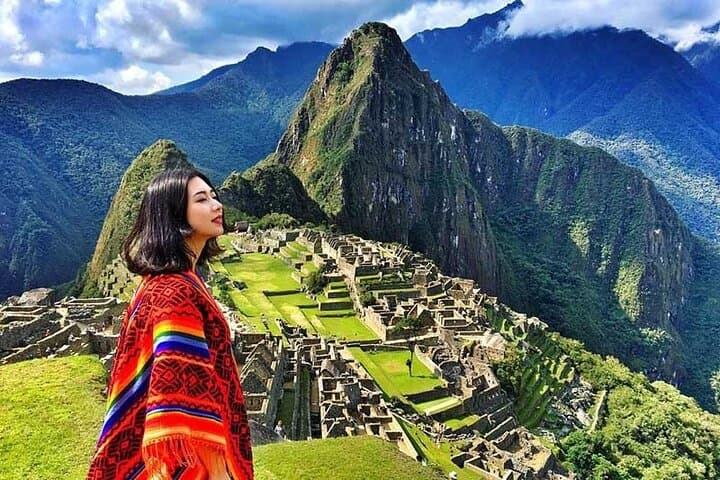
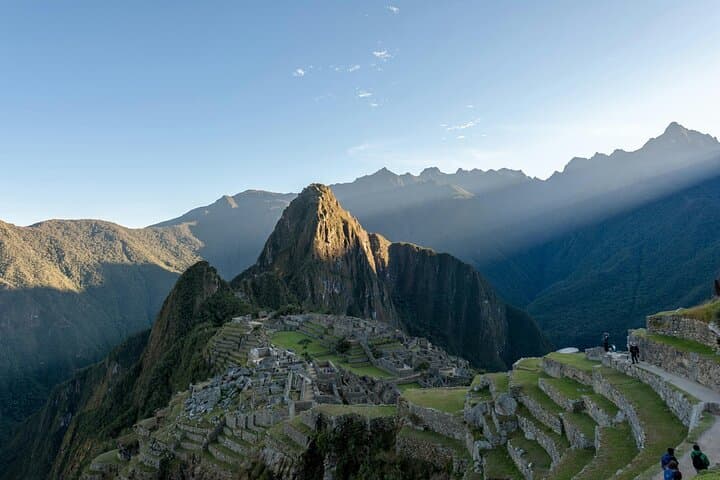
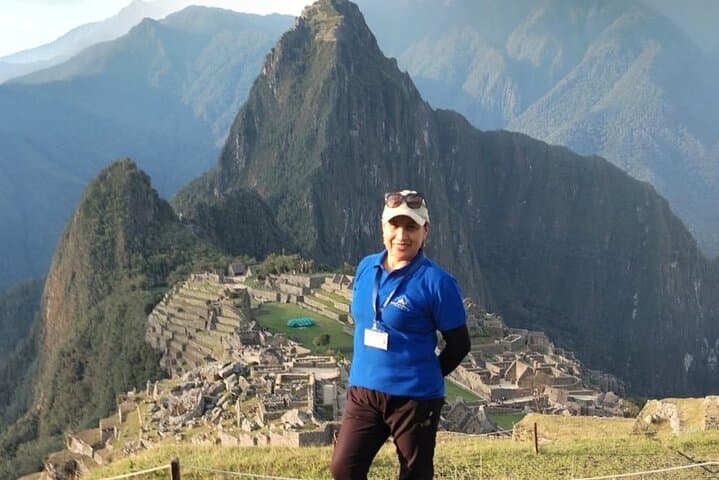
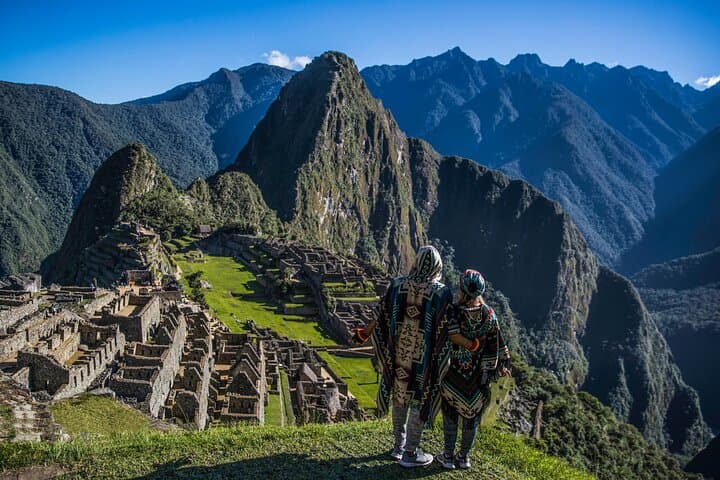
Machu Picchu sits at about 2,430 m on steep granite carved by tectonics and glaciation; the Incas constructed precise stonework and tiered farms adapted to the slope. The site was a 15th-century royal and ritual center later brought to global attention in 1911. Around Aguas Calientes, Quechua-speaking communities run markets and small cafés that reflect living Andean culture.
Expect paved paths, many stone steps and short uphill sections; the experience mixes history, geology and local hospitality. Practical points: bring your passport (required for site entry), plan for a long day (early pickup from Cusco and late return), and allow time to acclimatize in Cusco beforehand to reduce altitude effects.
Wear grippy shoes for uneven stonework, pack a waterproof layer for sudden mountain rain and carry water and snacks for the free-time portion. Respect the protected zone—stay on marked routes, avoid drones and follow your guide’s timing for the best photos and quieter viewpoints.
moderate.
14–18 hours.
Moderate fitness: able to walk uneven stone paths and climb stairs repeatedly over several hours
Yes—this tour includes the official entrance to the Historic Sanctuary of Machu Picchu and the outbound train ticket.
The guided visit is about two hours, after which you have free time to explore designated areas independently.
Yes—Peruvian authorities require a passport for park entry and it must match the booking name.
Not typically—Huayna Picchu requires a separate, limited-entry ticket often sold in advance and is not guaranteed as part of the standard full-day itinerary.
Machu Picchu was built in the 15th century, later largely abandoned and publicly reintroduced by Hiram Bingham in 1911 as an emblem of Inca achievement.
The sanctuary uses timed entries and strict path rules to limit erosion and crowding—follow your guide, carry out waste and avoid touching ruins.
Wakaya experience operates guided outdoor trips and adventures with an emphasis on safety, stewardship, and memorable experiences.
Dawn strips the Andes of shadow as the early train slides along the Urubamba River, river voices daring you past green terraces toward the stone citadel perched above cloud-line.
Dawn strips the Andes of shadow as the early train slides along the Urubamba River, river voices daring you past green terraces toward the stone citadel perched above cloud-line.
This full-day tour from Cusco combines a scenic Ollantaytambo–Aguas Calientes rail journey, a short bus climb to the archaeological park, and a two-hour guided walkthrough of Machu Picchu’s major sectors—agricultural terraces, the Temple of the Sun and the Intihuatana rock—followed by free time to wander.
Machu Picchu sits at about 2,430 m on steep granite carved by tectonics and glaciation; the Incas constructed precise stonework and tiered farms adapted to the slope. The site was a 15th-century royal and ritual center later brought to global attention in 1911. Around Aguas Calientes, Quechua-speaking communities run markets and small cafés that reflect living Andean culture.
Expect paved paths, many stone steps and short uphill sections; the experience mixes history, geology and local hospitality. Practical points: bring your passport (required for site entry), plan for a long day (early pickup from Cusco and late return), and allow time to acclimatize in Cusco beforehand to reduce altitude effects.
Wear grippy shoes for uneven stonework, pack a waterproof layer for sudden mountain rain and carry water and snacks for the free-time portion. Respect the protected zone—stay on marked routes, avoid drones and follow your guide’s timing for the best photos and quieter viewpoints.