THE ADVENTURE COLLECTIVE® · Independent discovery and booking for outdoor travel

Travel from Cusco to Machu Picchu in a single, full-day itinerary that blends scenic train travel, a guided exploration of the Inca citadel, and time in Aguas Calientes. This practical guide highlights what to expect, how to prepare, and tips for making the most of a long but unforgettable day.
Travel from Cusco to Machu Picchu in a single, full-day itinerary that blends scenic train travel, a guided exploration of the Inca citadel, and time in Aguas Calientes. This practical guide highlights what to expect, how to prepare, and tips for making the most of a long but unforgettable day.
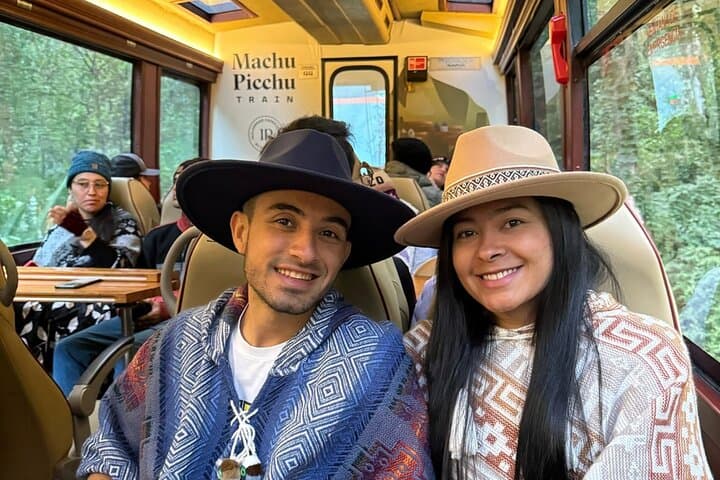
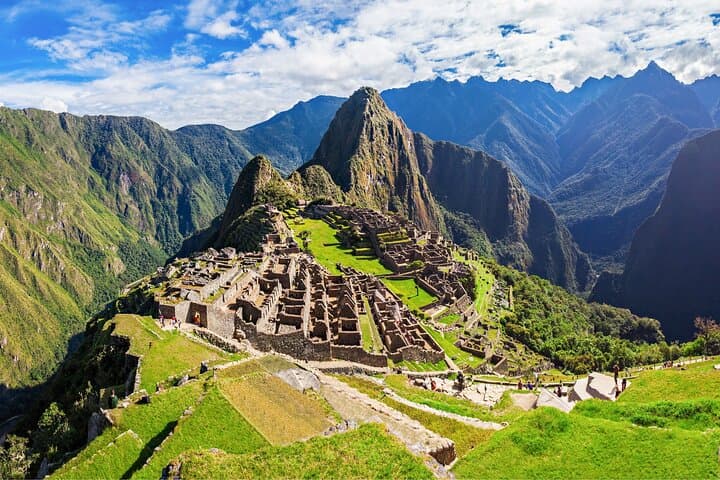
Dawn in Cusco arrives before most hotels stir; the minivan hums through pre-dawn streets and the Andes begin to reveal their angles as the road drops into the Sacred Valley. By mid-morning the tourist train slides along the Urubamba River, jungle pressing against the rails, and Aguas Calientes appears like a green knot at the mountain’s foot. From there a shuttle climbs switchbacks to the citadel: terraces, carved stone, and the air thinning at 2,430 meters.
Verified experiences and guided adventures in the surrounding area.
Operated by Machu Picchu 360 Experiences · Aguas Calientes, Cusco Region
Dawn in Cusco arrives before most hotels stir; the minivan hums through pre-dawn streets and the Andes begin to reveal their angles as the road drops into the Sacred Valley. By mid-morning the tourist train slides along the Urubamba River, jungle pressing against the rails, and Aguas Calientes appears like a green knot at the mountain’s foot. From there a shuttle climbs switchbacks to the citadel: terraces, carved stone, and the air thinning at 2,430 meters.
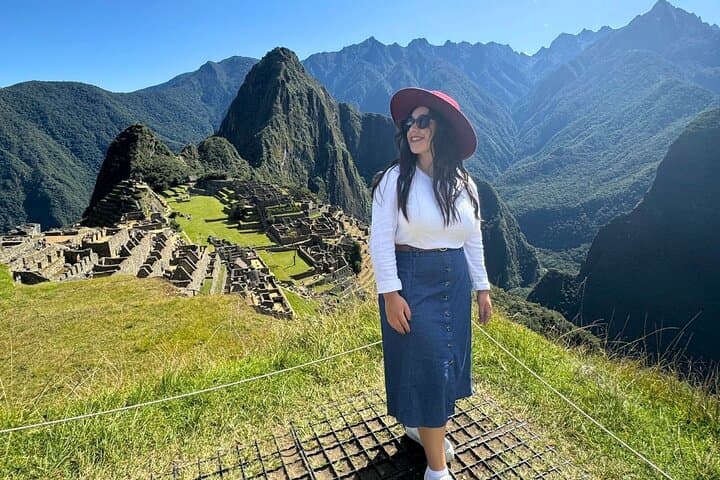
Machu Picchu sits on a granite spine carved by tectonics and rivers, raised by the Inca in the 15th century as an administrative, religious, and agricultural complex. Visitors move through plazas, agricultural terraces and finely cut ashlar walls that reveal advanced engineering and a culture attuned to mountains, water, and sky. Local Quechua communities in the Sacred Valley continue to farm and weave, offering markets and small cafes in Aguas Calientes.
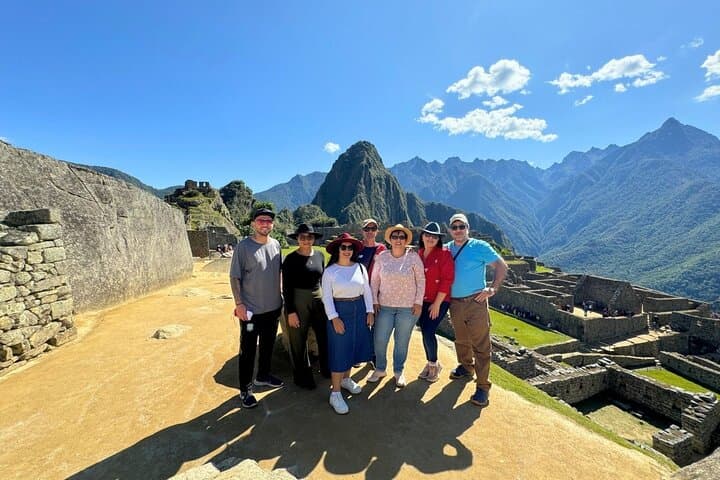
Practically, the full-day itinerary from Cusco is long but logistically simple: early hotel pickup, bus to Ollantaytambo, a roughly 1.5-hour scenic train to Aguas Calientes, a short shuttle to the citadel, a two-hour guided circuit, lunch in town, then return train and transfer back to Cusco — expect a 16-hour day.
Plan for altitude and changing weather: spend at least a day in Cusco to acclimatize, carry layered clothing and a rain shell, and use a daypack with water and snacks. Wear sturdy walking shoes with good grip; stone surfaces can be wet and uneven. Bring a charged camera and patience — the site manages visitor flow, so allow time to move between viewpoints and to savor the place without rushing.
moderate.
16 hours.
Able to tolerate a long day of walking on uneven stone at moderate altitude; basic cardiovascular fitness recommended
Yes — this itinerary runs as a long single day with early pickup from Cusco, train through Ollantaytambo, and return the same evening; be prepared for a 14–16 hour day.
This full-day package includes round-trip tourist train (Ollantaytambo–Aguas Calientes) and the Aguas Calientes–Machu Picchu shuttle bus, plus entrance and a guided tour.
Cusco sits higher than Machu Picchu; spend at least a day acclimatizing in Cusco, stay hydrated, avoid heavy alcohol, and consult a doctor if you have concerns.
Basic facilities and a few food options are in Aguas Calientes; restroom access at the citadel is limited, so plan accordingly.
Machu Picchu was constructed in the mid-15th century under Inca rule and likely served as a royal estate and ritual center closely tied to mountain worship and regional administration.
The site operates under visitor limits and timed entries to reduce wear; follow marked trails, avoid touching masonry, and pack out waste to help preserve fragile archaeology and habitat.
Machu Picchu 360 Experiences operates guided outdoor trips and adventures with an emphasis on safety, stewardship, and memorable experiences.
Dawn in Cusco arrives before most hotels stir; the minivan hums through pre-dawn streets and the Andes begin to reveal their angles as the road drops into the Sacred Valley. By mid-morning the tourist train slides along the Urubamba River, jungle pressing against the rails, and Aguas Calientes appears like a green knot at the mountain’s foot. From there a shuttle climbs switchbacks to the citadel: terraces, carved stone, and the air thinning at 2,430 meters.
Dawn in Cusco arrives before most hotels stir; the minivan hums through pre-dawn streets and the Andes begin to reveal their angles as the road drops into the Sacred Valley. By mid-morning the tourist train slides along the Urubamba River, jungle pressing against the rails, and Aguas Calientes appears like a green knot at the mountain’s foot. From there a shuttle climbs switchbacks to the citadel: terraces, carved stone, and the air thinning at 2,430 meters.
Machu Picchu sits on a granite spine carved by tectonics and rivers, raised by the Inca in the 15th century as an administrative, religious, and agricultural complex. Visitors move through plazas, agricultural terraces and finely cut ashlar walls that reveal advanced engineering and a culture attuned to mountains, water, and sky. Local Quechua communities in the Sacred Valley continue to farm and weave, offering markets and small cafes in Aguas Calientes.
Practically, the full-day itinerary from Cusco is long but logistically simple: early hotel pickup, bus to Ollantaytambo, a roughly 1.5-hour scenic train to Aguas Calientes, a short shuttle to the citadel, a two-hour guided circuit, lunch in town, then return train and transfer back to Cusco — expect a 16-hour day.
Plan for altitude and changing weather: spend at least a day in Cusco to acclimatize, carry layered clothing and a rain shell, and use a daypack with water and snacks. Wear sturdy walking shoes with good grip; stone surfaces can be wet and uneven. Bring a charged camera and patience — the site manages visitor flow, so allow time to move between viewpoints and to savor the place without rushing.