THE ADVENTURE COLLECTIVE® · Independent discovery and booking for outdoor travel

See Machu Picchu in a single, carefully paced day: a Cusco pickup, scenic bus and train legs, guided exploration of the Inca citadel, and return by train. Book early—high-season entrance tickets sell out.
See Machu Picchu in a single, carefully paced day: a Cusco pickup, scenic bus and train legs, guided exploration of the Inca citadel, and return by train. Book early—high-season entrance tickets sell out.
Early before dawn you leave Cusco’s high streets and head downriver valleys toward the green shoulders of the Urubamba. The day unfolds in stages — a scenic bus ride to Ollantaytambo, a winding train through cloud forest, a short bus climb above the river canyon — until the stone terraces and trapezoidal windows of Machu Picchu appear like a city reassembled from the mountain.
Verified experiences and guided adventures in the surrounding area.
Operated by Machupicchu Explore Ebenezer · Aguascalientes (Machu Picchu Pueblo), Cusco Region
Early before dawn you leave Cusco’s high streets and head downriver valleys toward the green shoulders of the Urubamba. The day unfolds in stages — a scenic bus ride to Ollantaytambo, a winding train through cloud forest, a short bus climb above the river canyon — until the stone terraces and trapezoidal windows of Machu Picchu appear like a city reassembled from the mountain.
The site sits at about 2,430 m, carved into granite of the eastern Andes and built by the Inca in the 15th century. Geology here is steep: river-cut canyons, fractured granite, and microclimates that push clouds through the ruins like breath. Culturally, guides point out agricultural terraces, the Temple of the Sun and the Intihuatana rock, explaining Inca astronomy and the engineering that anchored a city into a slope.
Expect two hours of guided exploration across uneven stone, short steep stairways and open viewpoints where wind and sun act with equal force. The accompanying village, Aguascalientes, offers a quick lunch and hot springs to reset before the return train.
Practical guide: book entrance tickets well in advance (high season sells out), bring layered clothing for sun and sudden rain, and allow the full 15–17 hour day listed in the itinerary. Hydrate and move steadily on the uphill approaches; the bus saves about 300–450 m of climbing if you prefer shorter, guided access. This tour is ideal for travelers short on time who want a managed, single-day experience of one of the world’s most iconic archaeological sites.
moderate.
15–17 hours.
Comfortable with a full day of travel and several hours of walking on uneven stone; able to climb short steep stair sections.
Expect about 15–17 hours door-to-door: bus to Ollantaytambo (~1.5–2 hours), train to Aguascalientes (~1.5–2 hours), guided visit (~2 hours), plus return train and bus.
Yes — the walk is steep and takes roughly 1.5–2 hours with 300–450 m of elevation gain; many travelers choose it for exercise, others take the 20–30 minute shuttle bus.
Machu Picchu sits lower than Cusco, but the itinerary starts in high-altitude Cusco (≈3,400 m); acclimatize in Cusco for 24–48 hours and monitor for headache or breathlessness.
Restrooms are available at the entrance and in Aguascalientes; food options are limited inside the sanctuary, so plan to eat in Aguascalientes before or after the visit.
Machu Picchu was built in the 15th century under Pachacuti and functioned as a royal estate and ritual center before being abandoned during the Spanish conquest era.
Visitor numbers are managed by timed-entry tickets and designated circuits to reduce wear; stick to marked paths and avoid touching masonry to protect fragile structures.
Machupicchu Explore Ebenezer operates guided outdoor trips and adventures with an emphasis on safety, stewardship, and memorable experiences.


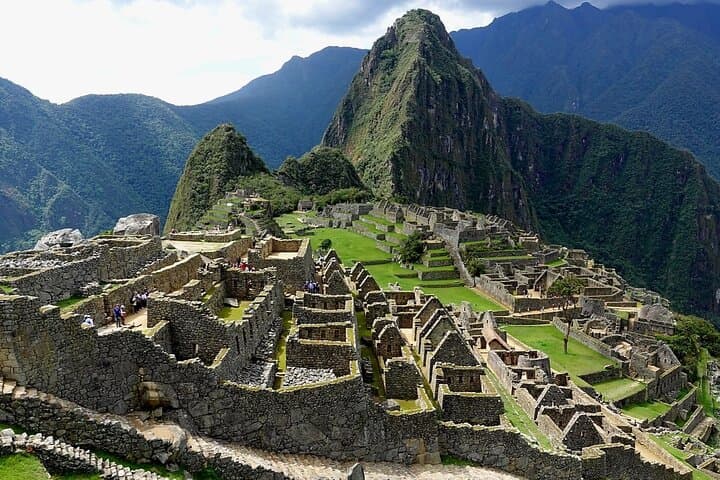
Early before dawn you leave Cusco’s high streets and head downriver valleys toward the green shoulders of the Urubamba. The day unfolds in stages — a scenic bus ride to Ollantaytambo, a winding train through cloud forest, a short bus climb above the river canyon — until the stone terraces and trapezoidal windows of Machu Picchu appear like a city reassembled from the mountain.
Early before dawn you leave Cusco’s high streets and head downriver valleys toward the green shoulders of the Urubamba. The day unfolds in stages — a scenic bus ride to Ollantaytambo, a winding train through cloud forest, a short bus climb above the river canyon — until the stone terraces and trapezoidal windows of Machu Picchu appear like a city reassembled from the mountain.
The site sits at about 2,430 m, carved into granite of the eastern Andes and built by the Inca in the 15th century. Geology here is steep: river-cut canyons, fractured granite, and microclimates that push clouds through the ruins like breath. Culturally, guides point out agricultural terraces, the Temple of the Sun and the Intihuatana rock, explaining Inca astronomy and the engineering that anchored a city into a slope.
Expect two hours of guided exploration across uneven stone, short steep stairways and open viewpoints where wind and sun act with equal force. The accompanying village, Aguascalientes, offers a quick lunch and hot springs to reset before the return train.
Practical guide: book entrance tickets well in advance (high season sells out), bring layered clothing for sun and sudden rain, and allow the full 15–17 hour day listed in the itinerary. Hydrate and move steadily on the uphill approaches; the bus saves about 300–450 m of climbing if you prefer shorter, guided access. This tour is ideal for travelers short on time who want a managed, single-day experience of one of the world’s most iconic archaeological sites.