THE ADVENTURE COLLECTIVE® · Independent discovery and booking for outdoor travel

Experience Machu Picchu in a single, expertly guided day from Cusco. This full-day itinerary combines scenic train travel, a guided exploration of the citadel, and practical tips for navigating altitude, weather, and logistics.
Experience Machu Picchu in a single, expertly guided day from Cusco. This full-day itinerary combines scenic train travel, a guided exploration of the citadel, and practical tips for navigating altitude, weather, and logistics.
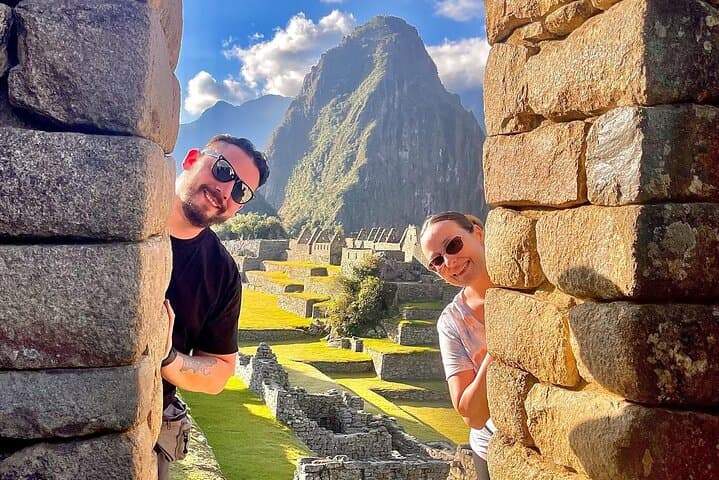
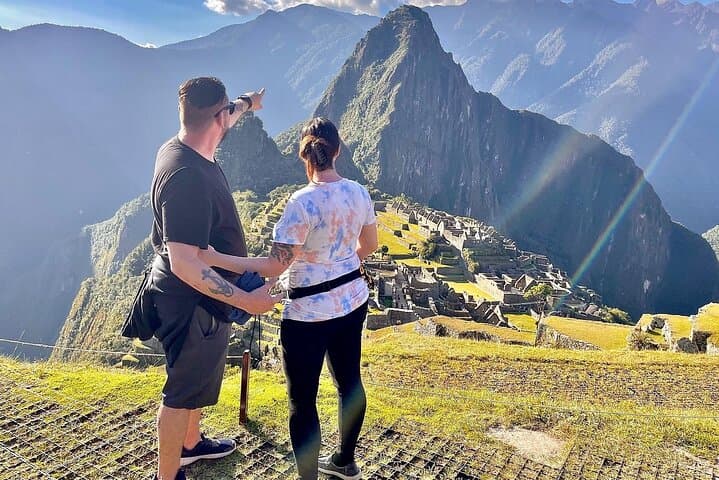
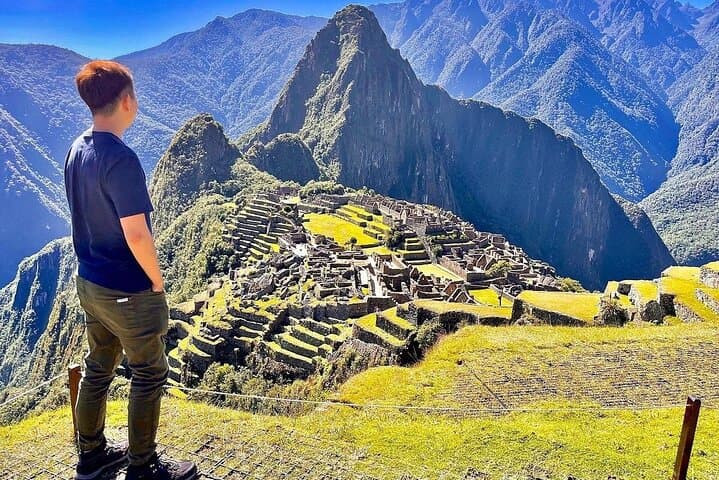
You step off the train into Aguas Calientes before dawn, mist lifting from the Urubamba River as the bus winds upward toward the stone citadel. Machu Picchu emerges through cloud, terraces cutting across the mountain like steps carved into the sky — the first sight arrests and focuses the day.
Verified experiences and guided adventures in the surrounding area.
Operated by Peru Trekkers · Aguas Calientes, Cusco
You step off the train into Aguas Calientes before dawn, mist lifting from the Urubamba River as the bus winds upward toward the stone citadel. Machu Picchu emerges through cloud, terraces cutting across the mountain like steps carved into the sky — the first sight arrests and focuses the day.
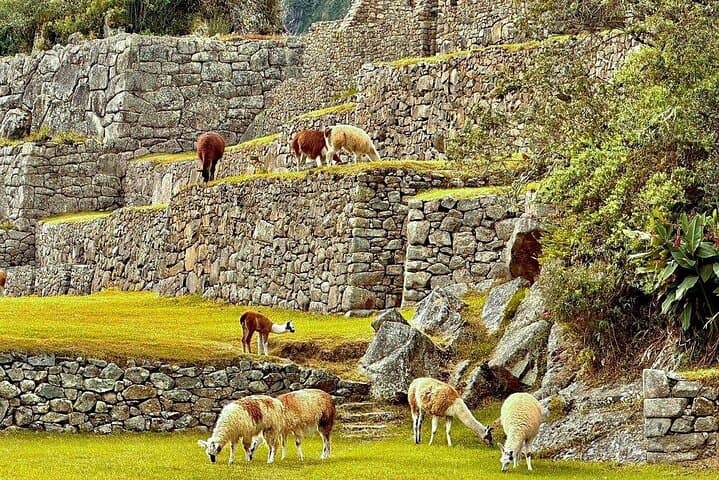
Built in the 15th century during the height of the Inca Empire and brought to global attention by Hiram Bingham in 1911, Machu Picchu sits on a steep spur above the Urubamba gorge. The site’s finely fitted ashlar stonework, agricultural terraces, and trapezoidal niches reflect both engineering skill and spiritual design. Geologically, the area is young Andean uplift over cloud-forest soils; the shifting microclimates feed rich flora and hummingbird activity around the ruins.
Culturally, the Sanctuary is still threaded with Quechua heritage — local guides blend archaeology with oral traditions, and nearby Aguas Calientes remains a compact, visitor-oriented mountain town.
Practical guidance: expect a very early pickup in Cusco and a long travel day (about 12–13 hours). Bring a photo ID/passport for entrance checks, comfortable waterproof footwear for uneven stone steps, layers for sudden weather shifts, and water to stay hydrated at nearly 2,430 meters above sea level. The guided visit typically lasts about 2–2.5 hours; the rest of the day includes train rides and transfer time. Rain is common outside May–September, so pack rain protection and plan for crowds by arriving early.
Follow marked paths, respect restricted areas, and leave no trace — the Sanctuary manages strict visitation limits to protect this fragile highland landscape.
moderate.
12–13 hours.
Moderate fitness — able to walk on uneven ground for 2–3 hours at altitude after a long travel day; prior acclimatization recommended.
The included guided portion is about 2 to 2.5 hours, after which you have limited free time before returning to Aguas Calientes.
Yes — passports are checked at entry gates and must match the name on your ticket, so carry it on the tour day.
Machu Picchu involves uneven stone steps and slopes; while the tour is physically moderate, it’s not recommended for travelers with serious mobility limitations.
The tour runs in most weather; expect muddy approaches and mist inside the citadel. Bring rain protection and waterproof footwear.
Machu Picchu was constructed by the Incas in the 15th century and rediscovered by Hiram Bingham in 1911; it later became a UNESCO World Heritage Site in 1983.
Visitor numbers and paths are tightly regulated; stick to marked trails, avoid single-use plastics, and respect limits to reduce erosion and habitat disturbance.
Peru Trekkers operates guided outdoor trips and adventures with an emphasis on safety, stewardship, and memorable experiences.
You step off the train into Aguas Calientes before dawn, mist lifting from the Urubamba River as the bus winds upward toward the stone citadel. Machu Picchu emerges through cloud, terraces cutting across the mountain like steps carved into the sky — the first sight arrests and focuses the day.
You step off the train into Aguas Calientes before dawn, mist lifting from the Urubamba River as the bus winds upward toward the stone citadel. Machu Picchu emerges through cloud, terraces cutting across the mountain like steps carved into the sky — the first sight arrests and focuses the day.
Built in the 15th century during the height of the Inca Empire and brought to global attention by Hiram Bingham in 1911, Machu Picchu sits on a steep spur above the Urubamba gorge. The site’s finely fitted ashlar stonework, agricultural terraces, and trapezoidal niches reflect both engineering skill and spiritual design. Geologically, the area is young Andean uplift over cloud-forest soils; the shifting microclimates feed rich flora and hummingbird activity around the ruins.
Culturally, the Sanctuary is still threaded with Quechua heritage — local guides blend archaeology with oral traditions, and nearby Aguas Calientes remains a compact, visitor-oriented mountain town.
Practical guidance: expect a very early pickup in Cusco and a long travel day (about 12–13 hours). Bring a photo ID/passport for entrance checks, comfortable waterproof footwear for uneven stone steps, layers for sudden weather shifts, and water to stay hydrated at nearly 2,430 meters above sea level. The guided visit typically lasts about 2–2.5 hours; the rest of the day includes train rides and transfer time. Rain is common outside May–September, so pack rain protection and plan for crowds by arriving early.
Follow marked paths, respect restricted areas, and leave no trace — the Sanctuary manages strict visitation limits to protect this fragile highland landscape.