THE ADVENTURE COLLECTIVE® · Independent discovery and booking for outdoor travel

Start the day in the Andes and arrive where stone meets cloud: a private full-day tour to Machu Picchu includes train, bus and a guided exploration of the Inca citadel. Learn what to expect—logistics, weather, and essential packing tips for a long, rewarding day.
Start the day in the Andes and arrive where stone meets cloud: a private full-day tour to Machu Picchu includes train, bus and a guided exploration of the Inca citadel. Learn what to expect—logistics, weather, and essential packing tips for a long, rewarding day.
The bus climbs from Aguas Calientes and the mist parts: terraces, temples and staircases step out of the cloud like a city being exhaled by the mountain. For two hours a private guide walks you through plazas and stonework, pointing out trapezoidal doorways and drainage channels that still channel rainwater with uncanny precision.
Verified experiences and guided adventures in the surrounding area.
Operated by CuscoPeru.com · Aguas Calientes, Cusco
The bus climbs from Aguas Calientes and the mist parts: terraces, temples and staircases step out of the cloud like a city being exhaled by the mountain. For two hours a private guide walks you through plazas and stonework, pointing out trapezoidal doorways and drainage channels that still channel rainwater with uncanny precision.
Machu Picchu sits at about 2,430 m where the eastern Andes meet the Amazonian cloud forest. Built by the Incas in the 15th century, the site blends carved granite blocks with steep agricultural terraces that cling to the slope. Geologically, the citadel perches on folded sedimentary and volcanic rock; frequent cloud cover keeps the surrounding vegetation lush and noisy with birds.
Culturally, the place is both archaeological laboratory and living village memory — the Inca’s engineering choices reflect mountain agriculture, solar alignment and political presence. Modern access is a study in logistics: nearly all visitors arrive by train to Aguas Calientes, then by shuttle bus; this tour includes round-trip Expedition/Voyager train and the Aguas Calientes bus.
Practical guidance: expect a long day (12–15 hours from Cusco), significant altitude change and uneven stone steps. Bring a lightweight rain shell, sturdy shoes, water and your passport (required for entry). If you want extra viewpoints, reserve Huayna Picchu or the Sun Gate ahead of time. Move deliberately on the steep stones; the site manages visitor flow, but crowds peak mid-morning. With planning and basic acclimatization, the day's mix of engineered stone and humid mountain forest rewards patience and curiosity.
moderate.
12–15 hours.
Moderate fitness required: able to walk on uneven stone, climb steep steps and tolerate altitude shifts.
This itinerary includes a guided visit of about two hours inside the main complex; additional independent time in Aguas Calientes or at viewpoints depends on ticket reservations.
Yes—your passport name and number must match the entry ticket and are required for admission and train travel.
The site has many steep steps and uneven surfaces; while some paths are manageable, the tour is not recommended for those with serious mobility constraints or spinal injuries.
The dry season (May–September) generally has clearer weather and better views; the wet season (November–March) brings heavier rain but fewer crowds.
Built in the 15th century and abandoned during the Spanish conquest, Machu Picchu was brought to international attention by Hiram Bingham in 1911 and is now a UNESCO World Heritage site.
Visitor caps, defined trails and ticketed time slots help protect fragile terraces and archaeological features; follow signage and avoid stepping off designated paths.
CuscoPeru.com operates guided outdoor trips and adventures with an emphasis on safety, stewardship, and memorable experiences.
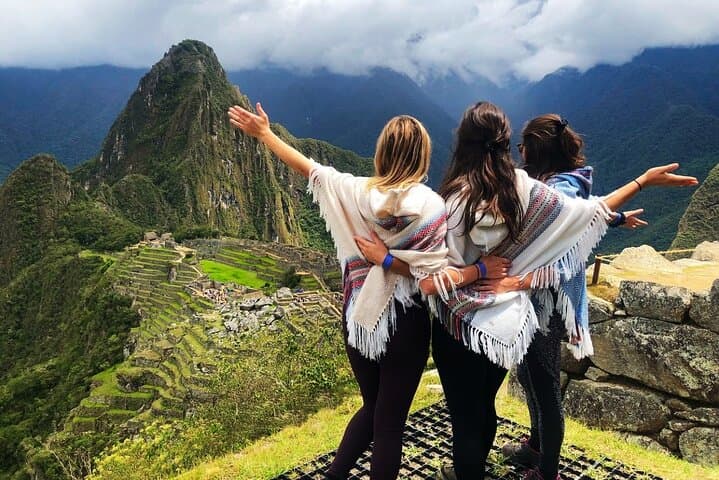
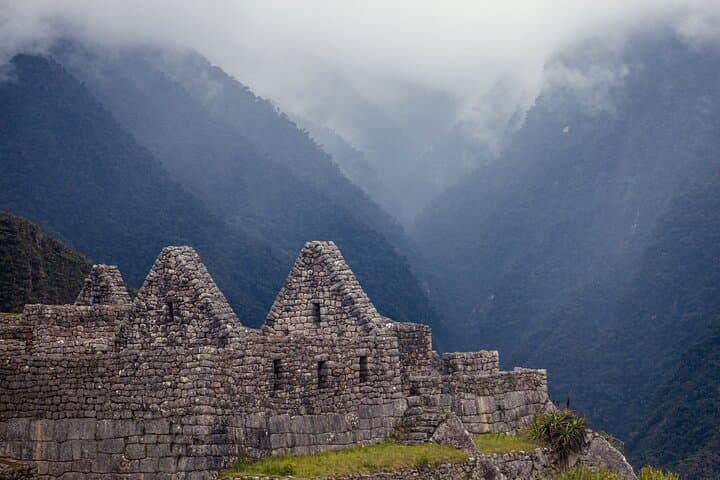
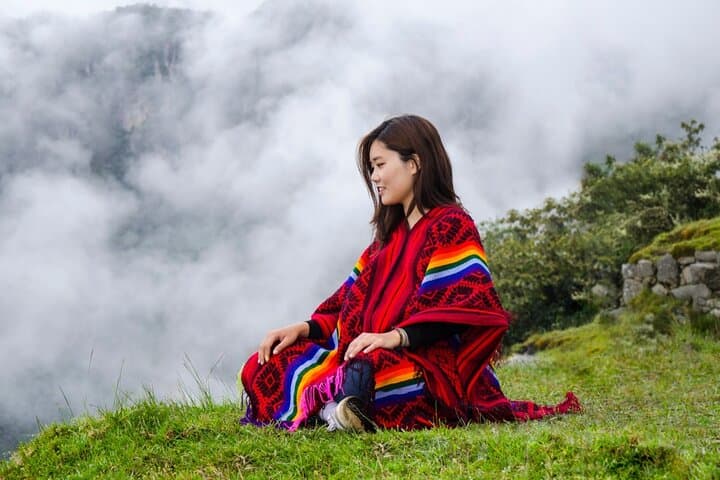
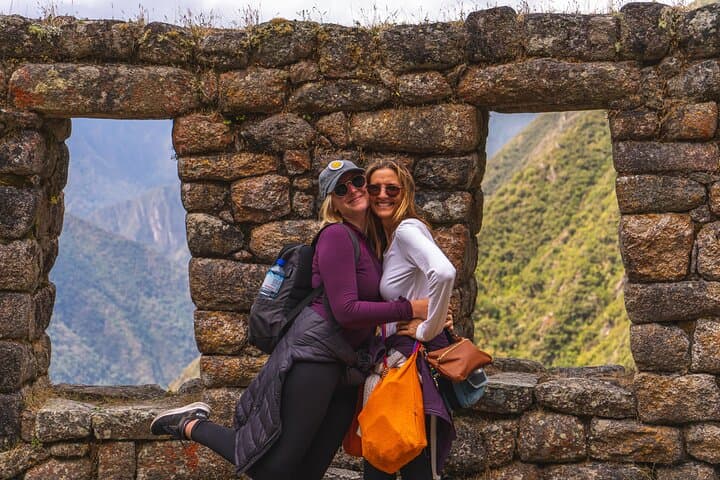
The bus climbs from Aguas Calientes and the mist parts: terraces, temples and staircases step out of the cloud like a city being exhaled by the mountain. For two hours a private guide walks you through plazas and stonework, pointing out trapezoidal doorways and drainage channels that still channel rainwater with uncanny precision.
The bus climbs from Aguas Calientes and the mist parts: terraces, temples and staircases step out of the cloud like a city being exhaled by the mountain. For two hours a private guide walks you through plazas and stonework, pointing out trapezoidal doorways and drainage channels that still channel rainwater with uncanny precision.
Machu Picchu sits at about 2,430 m where the eastern Andes meet the Amazonian cloud forest. Built by the Incas in the 15th century, the site blends carved granite blocks with steep agricultural terraces that cling to the slope. Geologically, the citadel perches on folded sedimentary and volcanic rock; frequent cloud cover keeps the surrounding vegetation lush and noisy with birds.
Culturally, the place is both archaeological laboratory and living village memory — the Inca’s engineering choices reflect mountain agriculture, solar alignment and political presence. Modern access is a study in logistics: nearly all visitors arrive by train to Aguas Calientes, then by shuttle bus; this tour includes round-trip Expedition/Voyager train and the Aguas Calientes bus.
Practical guidance: expect a long day (12–15 hours from Cusco), significant altitude change and uneven stone steps. Bring a lightweight rain shell, sturdy shoes, water and your passport (required for entry). If you want extra viewpoints, reserve Huayna Picchu or the Sun Gate ahead of time. Move deliberately on the steep stones; the site manages visitor flow, but crowds peak mid-morning. With planning and basic acclimatization, the day's mix of engineered stone and humid mountain forest rewards patience and curiosity.