THE ADVENTURE COLLECTIVE® · Independent discovery and booking for outdoor travel

Leave Cusco before dawn and ride the Sacred Valley to Machu Picchu for a guided full-day visit. This private service covers train and bus transfers, a professional guide, and photo stops with llamas — ideal for travelers seeking a single-day, high-impact introduction to the citadel.
Leave Cusco before dawn and ride the Sacred Valley to Machu Picchu for a guided full-day visit. This private service covers train and bus transfers, a professional guide, and photo stops with llamas — ideal for travelers seeking a single-day, high-impact introduction to the citadel.
You step out before dawn in Cusco, the city lights shrinking as the van threads high Andean switchbacks toward Ollantaytambo. The train slips along the Sacred Valley, mist lifting from terraces while the Urubamba River hurries below, daring you toward a classical stone citadel perched on a spine of granite.
Verified experiences and guided adventures in the surrounding area.
Operated by MACHUPICCHU TOURIST CONNECTION · Aguas Calientes (Machu Picchu Pueblo), Cusco Region
You step out before dawn in Cusco, the city lights shrinking as the van threads high Andean switchbacks toward Ollantaytambo. The train slips along the Sacred Valley, mist lifting from terraces while the Urubamba River hurries below, daring you toward a classical stone citadel perched on a spine of granite.
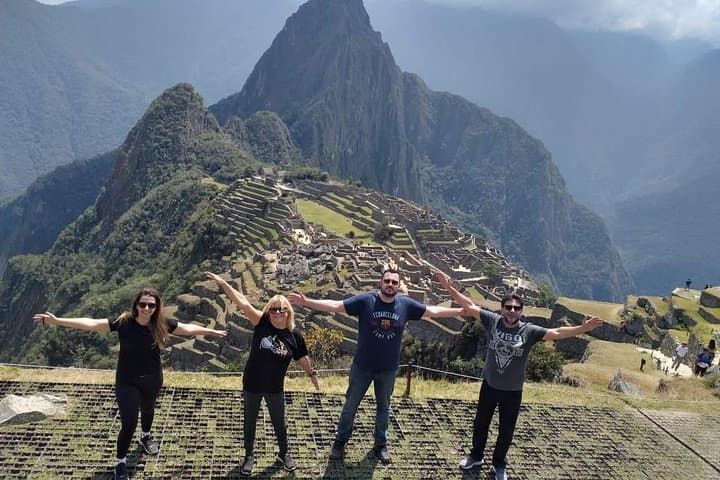
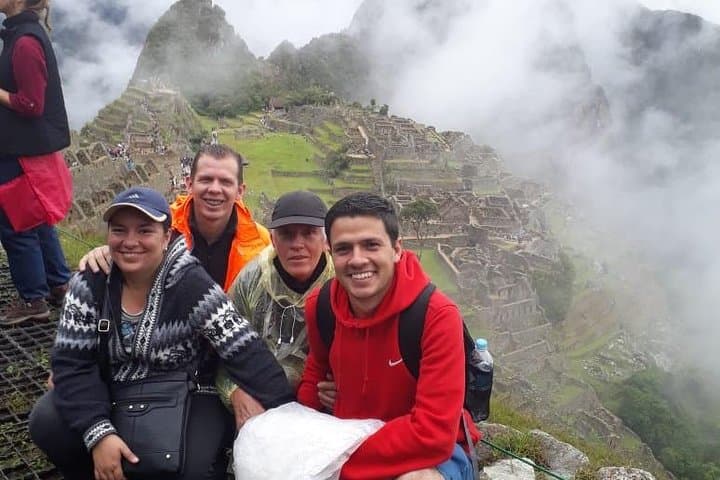
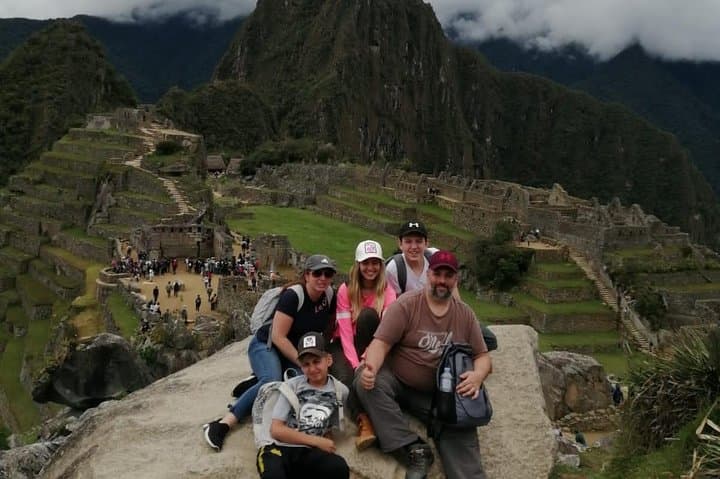
Machu Picchu was built in the 15th century under Inca ruler Pachacuti and left largely intact through the Spanish conquest, rediscovered for the outside world by Hiram Bingham in 1911. Geologically the site crowns a steep granite ridge above the river canyon; the local microclimate is cloud-forest, where humidity feeds orchids and hummingbirds and where llamas graze on carved terraces that control erosion.
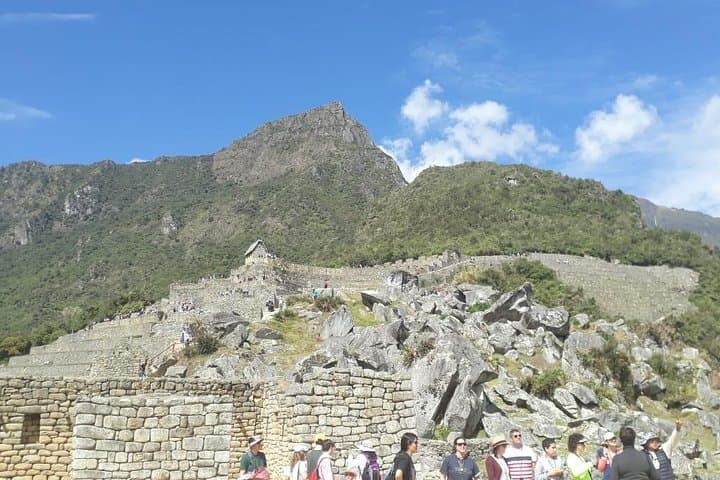
Your guided visit (typically about two hours inside the citadel) covers the main plazas, agricultural terraces, and the Intihuatana stone, with opportunities to photograph llamas and panoramic ridgelines. Terrain is uneven: expect stepped Inca stairways, narrow stone ramps and short steep climbs; altitude sits around 2,430 m (7,970 ft).
Practical notes: tickets are timed and non-transferable — bring your passport for entry. The day involves a pre-dawn hotel pickup, ~1.5-hour train each way and a 25–30 minute bus from Aguas Calientes to the entrance, so plan for a long travel day. Acclimate in Cusco for 48 hours if possible, wear grippy shoes, carry a rain layer and refillable water, and leave space in your itinerary if you want extra hikes (Huayna Picchu or Sun Gate require separate permits).
moderate.
14–18 hours.
Moderate fitness required for walking on uneven stone, short steep sections, and a long travel day
Yes—Cusco is higher than Machu Picchu. Spend 48 hours in Cusco at rest and hydrate to reduce the risk of altitude sickness.
No—those hikes require separate, limited permits that must be booked in advance and are not included with a standard full-day entry.
Guides typically lead a 90–120 minute circuit covering main sectors; you can stay longer if your entry time and ticket allow.
Children are allowed but infants must sit on an adult’s lap and everyone still needs a valid ticket and passport for entry.
Machu Picchu was an elite Inca estate and religious site from the 15th century, later abandoned and concealed until early 20th-century expeditions brought it to global attention.
Visitor numbers and timed entries are enforced to protect fragile stonework and vegetation; stay on marked paths, pack out waste, and avoid feeding wildlife.
MACHUPICCHU TOURIST CONNECTION operates guided outdoor trips and adventures with an emphasis on safety, stewardship, and memorable experiences.
You step out before dawn in Cusco, the city lights shrinking as the van threads high Andean switchbacks toward Ollantaytambo. The train slips along the Sacred Valley, mist lifting from terraces while the Urubamba River hurries below, daring you toward a classical stone citadel perched on a spine of granite.
You step out before dawn in Cusco, the city lights shrinking as the van threads high Andean switchbacks toward Ollantaytambo. The train slips along the Sacred Valley, mist lifting from terraces while the Urubamba River hurries below, daring you toward a classical stone citadel perched on a spine of granite.
Machu Picchu was built in the 15th century under Inca ruler Pachacuti and left largely intact through the Spanish conquest, rediscovered for the outside world by Hiram Bingham in 1911. Geologically the site crowns a steep granite ridge above the river canyon; the local microclimate is cloud-forest, where humidity feeds orchids and hummingbirds and where llamas graze on carved terraces that control erosion.
Your guided visit (typically about two hours inside the citadel) covers the main plazas, agricultural terraces, and the Intihuatana stone, with opportunities to photograph llamas and panoramic ridgelines. Terrain is uneven: expect stepped Inca stairways, narrow stone ramps and short steep climbs; altitude sits around 2,430 m (7,970 ft).
Practical notes: tickets are timed and non-transferable — bring your passport for entry. The day involves a pre-dawn hotel pickup, ~1.5-hour train each way and a 25–30 minute bus from Aguas Calientes to the entrance, so plan for a long travel day. Acclimate in Cusco for 48 hours if possible, wear grippy shoes, carry a rain layer and refillable water, and leave space in your itinerary if you want extra hikes (Huayna Picchu or Sun Gate require separate permits).