THE ADVENTURE COLLECTIVE® · Independent discovery and booking for outdoor travel

See Machu Picchu in a single, carefully timed day from Cusco — train to Aguas Calientes plus shuttle and a guided circuit through the citadel. Expect a long, altitude-heavy day with dramatic views and concentrated history.
See Machu Picchu in a single, carefully timed day from Cusco — train to Aguas Calientes plus shuttle and a guided circuit through the citadel. Expect a long, altitude-heavy day with dramatic views and concentrated history.
You step off the early train into a humid, fern-scented town and climb aboard a bus that threads switchbacks up a green amphitheater — then the ruins appear: terraces folding into the cloud, stone temples cut with exacting angles. That first sight hits with a physical clarity that pictures can't deliver.
Verified experiences and guided adventures in the surrounding area.
Operated by IncaGo Expeditions · Aguas Calientes, Cusco Region
You step off the early train into a humid, fern-scented town and climb aboard a bus that threads switchbacks up a green amphitheater — then the ruins appear: terraces folding into the cloud, stone temples cut with exacting angles. That first sight hits with a physical clarity that pictures can't deliver.
Built in the 15th century during the height of the Inca empire and rediscovered for the outside world in 1911, Machu Picchu sits on a granite spine where tectonics and river erosion created dramatic cliffs and hidden valleys. The site’s stonework reflects precise mortarless masonry and astronomical alignments used for agricultural and ceremonial timings. Local culture remains present in Aguas Calientes and Cusco, where Quechua traditions and colonial history meet in markets, food, and language.
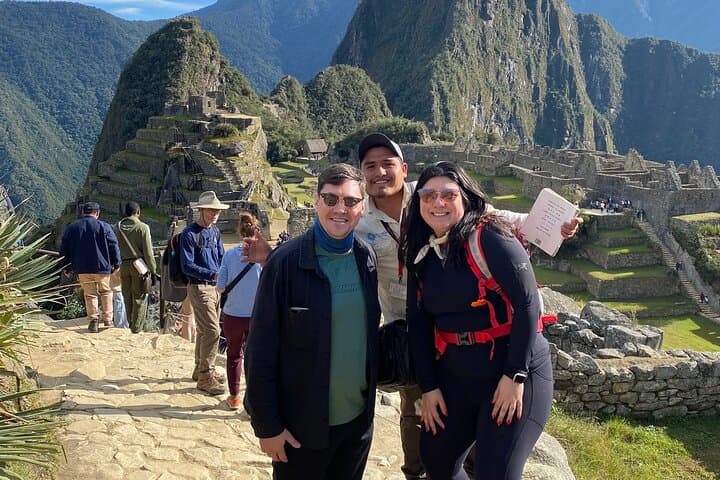
On a one-day itinerary from Cusco you’ll travel by road to Ollantaytambo, ride the scenic train through the Sacred Valley to Aguas Calientes, then take the shuttle up to the citadel. A licensed guide leads a focused 2–3 hour circuit to key sectors — Temple of the Three Windows, Sacred Plaza, Condor — and captures photos while explaining archaeological context.
Practical edge: this is a long, altitude-heavy day (early pickup, late return). Expect stairs, uneven paths, and timed-entry rules; follow the route assigned, carry water, a rain layer, and a small daypack. If you have heart or severe cardiovascular issues, reconsider — the trip requires moderate fitness. Book train and entry in advance and plan for limited refund options.
moderate.
12–14 hours.
Moderate fitness; able to handle sustained walking, stairs, and brief steep climbs at altitude
Expect a roughly 12–14 hour day: early morning pickup, drive to Ollantaytambo, train to Aguas Calientes, guided visit, return train and van to Cusco.
This tour includes Machu Picchu entry, train between Ollantaytambo and Aguas Calientes, bus to the citadel, and a professional guide; book early since slots fill fast.
Those climbs require separate permits with limited capacity; if not booked in advance they are usually unavailable on a same-day package.
This itinerary is not recommended for travelers with serious heart or cardiovascular conditions due to long travel, altitude, and stair-intensive walking.
Machu Picchu was built by the Inca in the 15th century and became internationally known after Hiram Bingham's 1911 expedition; it functioned as a ceremonial and agricultural center.
Visitor numbers are controlled through timed entries and circuit rules; stay on designated paths, avoid touching structures, and use local services to support preservation efforts.
IncaGo Expeditions operates guided outdoor trips and adventures with an emphasis on safety, stewardship, and memorable experiences.
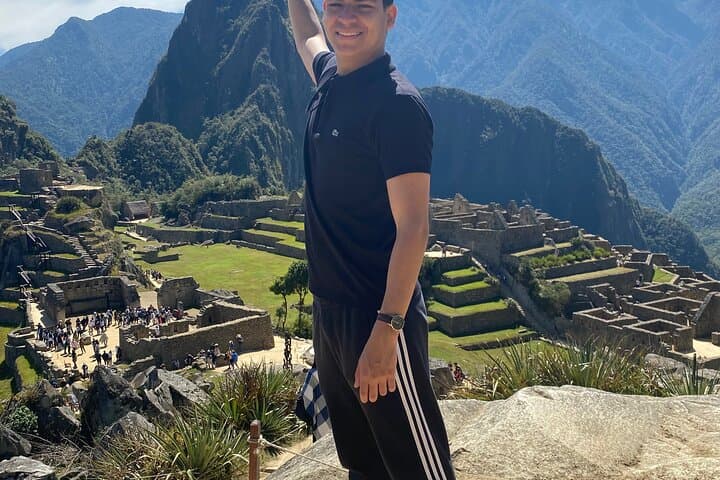
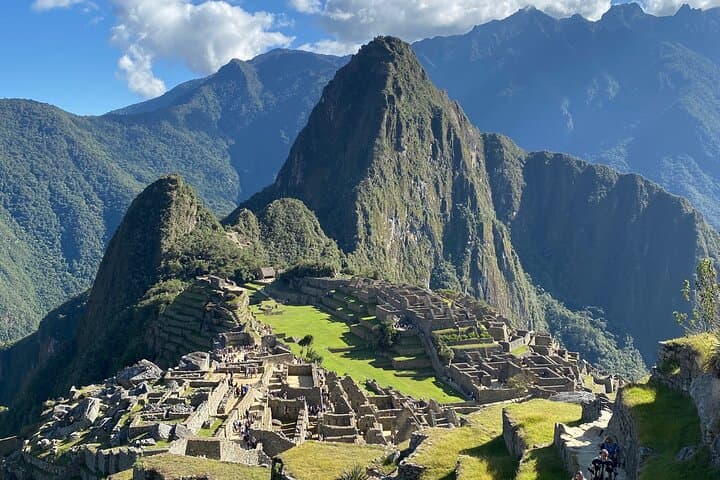
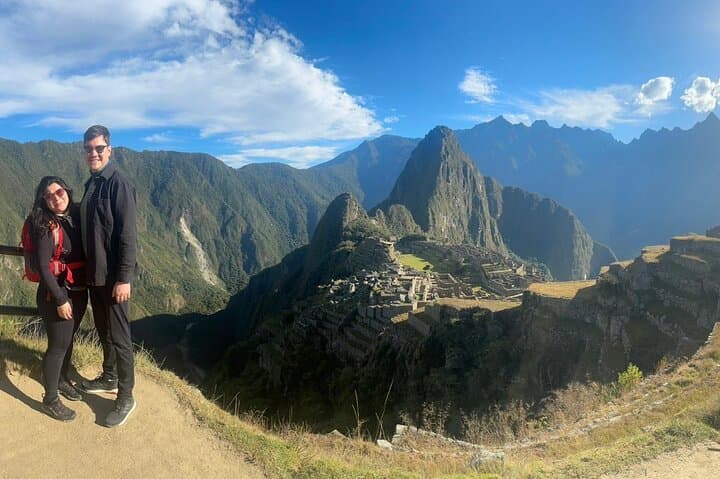
You step off the early train into a humid, fern-scented town and climb aboard a bus that threads switchbacks up a green amphitheater — then the ruins appear: terraces folding into the cloud, stone temples cut with exacting angles. That first sight hits with a physical clarity that pictures can't deliver.
You step off the early train into a humid, fern-scented town and climb aboard a bus that threads switchbacks up a green amphitheater — then the ruins appear: terraces folding into the cloud, stone temples cut with exacting angles. That first sight hits with a physical clarity that pictures can't deliver.
Built in the 15th century during the height of the Inca empire and rediscovered for the outside world in 1911, Machu Picchu sits on a granite spine where tectonics and river erosion created dramatic cliffs and hidden valleys. The site’s stonework reflects precise mortarless masonry and astronomical alignments used for agricultural and ceremonial timings. Local culture remains present in Aguas Calientes and Cusco, where Quechua traditions and colonial history meet in markets, food, and language.
On a one-day itinerary from Cusco you’ll travel by road to Ollantaytambo, ride the scenic train through the Sacred Valley to Aguas Calientes, then take the shuttle up to the citadel. A licensed guide leads a focused 2–3 hour circuit to key sectors — Temple of the Three Windows, Sacred Plaza, Condor — and captures photos while explaining archaeological context.
Practical edge: this is a long, altitude-heavy day (early pickup, late return). Expect stairs, uneven paths, and timed-entry rules; follow the route assigned, carry water, a rain layer, and a small daypack. If you have heart or severe cardiovascular issues, reconsider — the trip requires moderate fitness. Book train and entry in advance and plan for limited refund options.