THE ADVENTURE COLLECTIVE® · Independent discovery and booking for outdoor travel

Experience Machu Picchu in a full-day guided tour from Cusco that combines archaeological highlights with practical logistics. Read on for timing, gear and insider tips to make the most of the citadel.
Experience Machu Picchu in a full-day guided tour from Cusco that combines archaeological highlights with practical logistics. Read on for timing, gear and insider tips to make the most of the citadel.
You step off the bus and the clouds part: terraces step down the slope like a carved amphitheater, and the stones—worn, exact—keep a stubborn, ancient patience. Machu Picchu opens with a hush that makes every footfall feel conspicuous; the air, thin and bright, moves through the plaza as if urging you onward.
Verified experiences and guided adventures in the surrounding area.
Operated by TULIPA BEYOND THE INCREDIBLE · Aguas Calientes, Cusco Region
You step off the bus and the clouds part: terraces step down the slope like a carved amphitheater, and the stones—worn, exact—keep a stubborn, ancient patience. Machu Picchu opens with a hush that makes every footfall feel conspicuous; the air, thin and bright, moves through the plaza as if urging you onward.
Built in the mid-15th century under the Inca, Machu Picchu perches on a granite spine where tectonic uplift and glacial sculpting produced steep ridges and dramatic river valleys. The guided full-day circuit 2 explores the Lower Platform, Sun Temple viewpoints, Eastern Qolqas, the Sacred Rock and the reflective water mirrors—each site offering clues to Inca astronomy, terracing agriculture and ritual life.
Local culture remains vivid in nearby Ollantaytambo and Cusco—markets selling handwoven textiles, coca-leaf offerings, and mestizo culinary notes that mix Andean maize and Andean potatoes. Conservation here is active: visitor caps, zoning and permitted routes protect fragile stonework and montane forest.
Practical guidance: expect 15–20 hours door-to-door from Cusco, with early pickup and two train segments. Trails inside the citadel include steep stone steps and uneven paths—bring sturdy footwear and allow extra time to acclimatize to 2,400–2,500 m elevation. Weather shifts fast; sun and sudden rain both demand layers. If you hope to climb Huayna Picchu, book the separate limited ticket in advance.
A guided full-day run is best for travelers who want a structured visit with context—history, geology and cultural interpretation—without overnight logistics in Aguas Calientes. Move deliberately, keep to marked routes, and leave no trace: the site’s survival depends on visitors who respect both stone and slope.
moderate.
15–20 hours.
Should be in moderate shape with ability to climb uneven stone steps and walk several kilometers at altitude
Plan on about 15–20 hours round-trip from hotel pickup in Cusco to return—includes bus/train segments and a guided two-hour circuit at Machu Picchu.
No—entrance and any Huayna Picchu tickets should be booked in advance during high season; daily quotas limit same-day availability.
Not recommended—the itinerary includes stairs, uneven terrain and high-altitude exertion; consult a physician before booking.
Lunch is usually not included; bring snacks and plan a meal in Aguas Calientes after the visit—many restaurants accept cash and cards.
Machu Picchu was built around 1450 under Inca rule and likely functioned as a religious, agricultural and elite residential complex before its 16th-century abandonment and 20th-century rediscovery.
UNESCO status and strict visitor regulations aim to protect fragile stonework and cloud-forest ecosystems; stay on marked paths and carry out all trash.
TULIPA BEYOND THE INCREDIBLE operates guided outdoor trips and adventures with an emphasis on safety, stewardship, and memorable experiences.
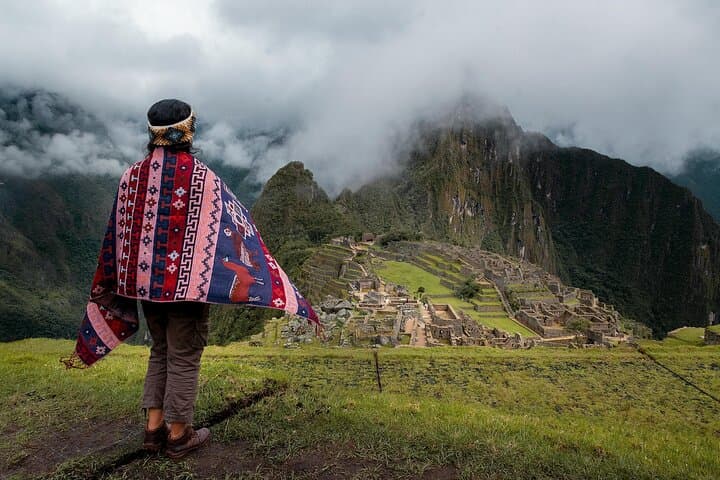
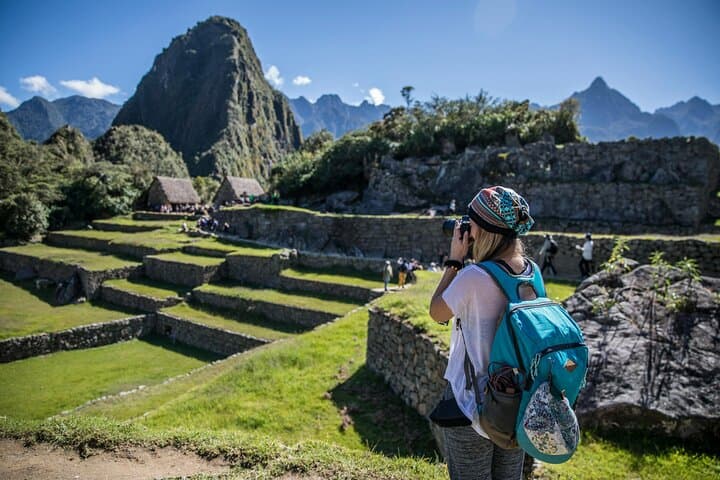
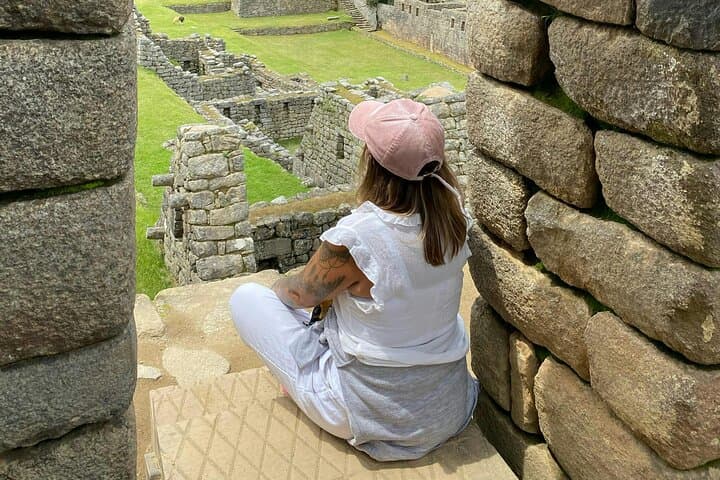
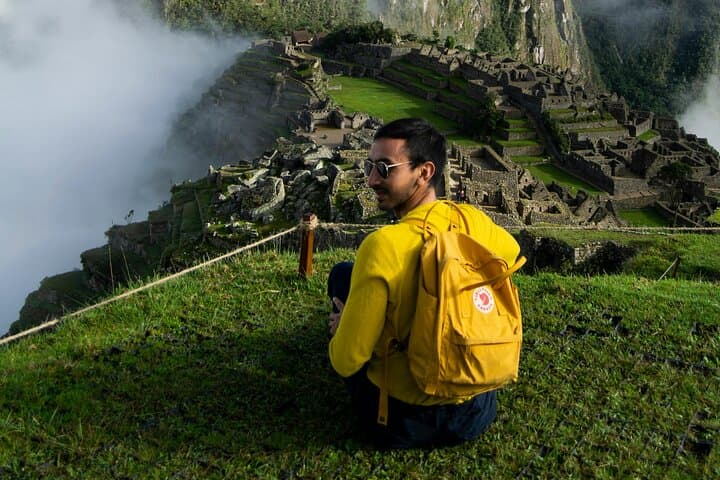
You step off the bus and the clouds part: terraces step down the slope like a carved amphitheater, and the stones—worn, exact—keep a stubborn, ancient patience. Machu Picchu opens with a hush that makes every footfall feel conspicuous; the air, thin and bright, moves through the plaza as if urging you onward.
You step off the bus and the clouds part: terraces step down the slope like a carved amphitheater, and the stones—worn, exact—keep a stubborn, ancient patience. Machu Picchu opens with a hush that makes every footfall feel conspicuous; the air, thin and bright, moves through the plaza as if urging you onward.
Built in the mid-15th century under the Inca, Machu Picchu perches on a granite spine where tectonic uplift and glacial sculpting produced steep ridges and dramatic river valleys. The guided full-day circuit 2 explores the Lower Platform, Sun Temple viewpoints, Eastern Qolqas, the Sacred Rock and the reflective water mirrors—each site offering clues to Inca astronomy, terracing agriculture and ritual life.
Local culture remains vivid in nearby Ollantaytambo and Cusco—markets selling handwoven textiles, coca-leaf offerings, and mestizo culinary notes that mix Andean maize and Andean potatoes. Conservation here is active: visitor caps, zoning and permitted routes protect fragile stonework and montane forest.
Practical guidance: expect 15–20 hours door-to-door from Cusco, with early pickup and two train segments. Trails inside the citadel include steep stone steps and uneven paths—bring sturdy footwear and allow extra time to acclimatize to 2,400–2,500 m elevation. Weather shifts fast; sun and sudden rain both demand layers. If you hope to climb Huayna Picchu, book the separate limited ticket in advance.
A guided full-day run is best for travelers who want a structured visit with context—history, geology and cultural interpretation—without overnight logistics in Aguas Calientes. Move deliberately, keep to marked routes, and leave no trace: the site’s survival depends on visitors who respect both stone and slope.