THE ADVENTURE COLLECTIVE® · Independent discovery and booking for outdoor travel

Catch the first light on the Urubamba and step into Machu Picchu with a certified bilingual guide. This full-day from Cusco combines scenic train travel, a guided exploration of the citadel, and free time in Aguas Calientes.
Catch the first light on the Urubamba and step into Machu Picchu with a certified bilingual guide. This full-day from Cusco combines scenic train travel, a guided exploration of the citadel, and free time in Aguas Calientes.
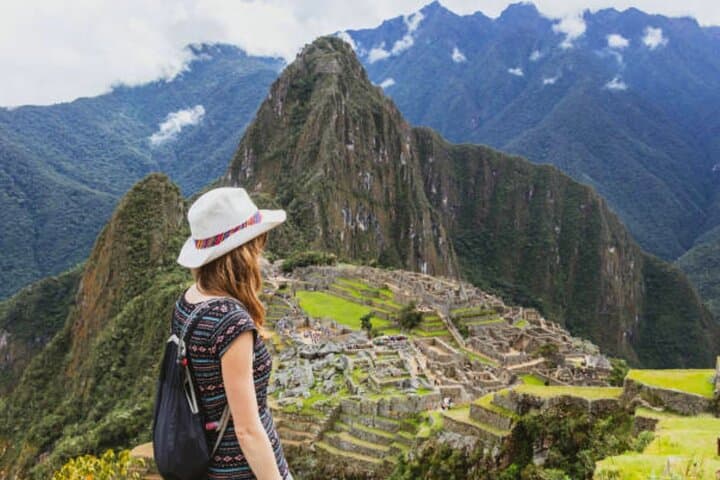
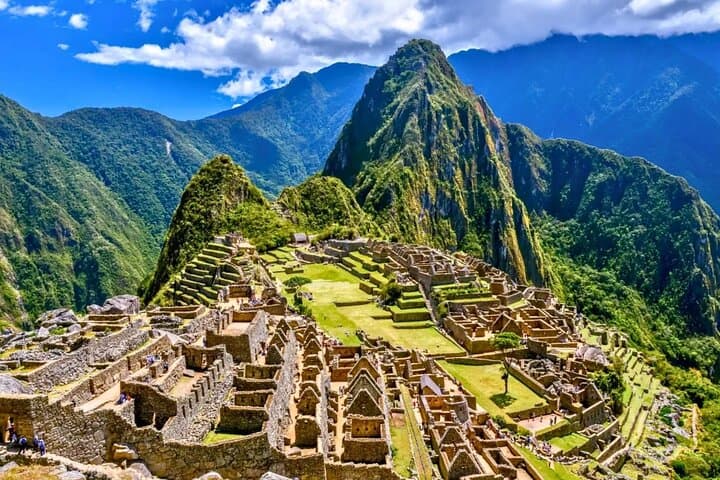
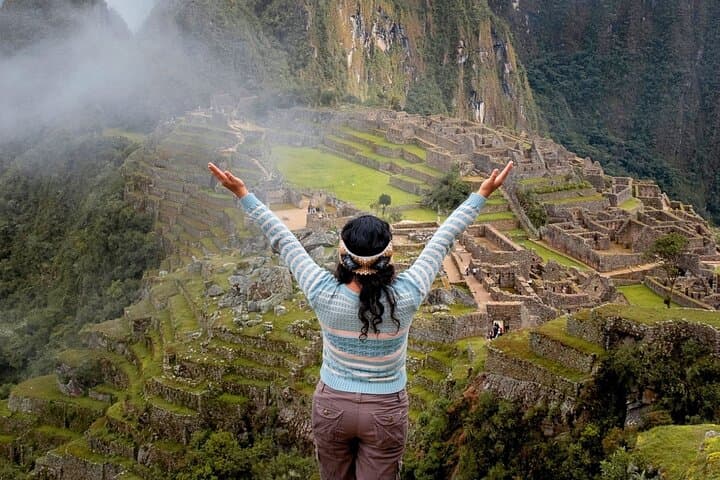
Before sunrise the streets of Cusco still hold an early hush; your pickup moves through alleys warmed by bakery smoke and eucalyptus-scented air. By train the valley opens — the Urubamba River dare you to look away as cliffs and cloud forest slide past the panoramic windows. When the bus climbs the jungle road into Machu Picchu, the citadel appears like a city waking: terraces threading the slope, stonework catching the light.
Verified experiences and guided adventures in the surrounding area.
Operated by Geo Adventures Peru · Aguas Calientes (Machupicchu Pueblo), Cusco Region
Before sunrise the streets of Cusco still hold an early hush; your pickup moves through alleys warmed by bakery smoke and eucalyptus-scented air. By train the valley opens — the Urubamba River dare you to look away as cliffs and cloud forest slide past the panoramic windows. When the bus climbs the jungle road into Machu Picchu, the citadel appears like a city waking: terraces threading the slope, stonework catching the light.
Machu Picchu sits on a granite spine where Inca masons carved plazas, ramps, and agricultural tiers into steep geology shaped by glaciation and river erosion. The site blends practical engineering and cosmology—sun temples align to solstices and terraces reveal an intimate knowledge of microclimates. Local culture remains visible: llamas graze, markets in Aguas Calientes sell woven patterns tied to Quechua traditions, and guides explain Inca astronomy in clear, human terms.
Expect a paced day: early hotel pickup from Cusco, a scenic 2–3 hour transfer through the Sacred Valley, an Expedition train ride, ascent by shuttle bus, and a 2–3 hour certified guided tour through key sectors—Temple of the Sun, Sacred Rock, terraces—followed by free time in Aguas Calientes. Altitude and sudden weather shifts shape the experience: the environment may offer mist that wraps the ruins or sun that demands sunscreen. Practical tips—hydrate early, use layers, carry your passport for entry, and leave nonpermitted tripods or large backpacks behind. The tour is ideal for travelers with reasonable mobility who have spent at least a day in Cusco to acclimatize. This full-day itinerary packs transport logistics so you can focus on the stonework, the birds, and the slow reveal of one of the Andes’ most arresting places.
moderate.
12–15 hours.
Suitable for travelers in average fitness who can walk on uneven stone and short stair sections; prior acclimatization to ~3,400 m recommended.
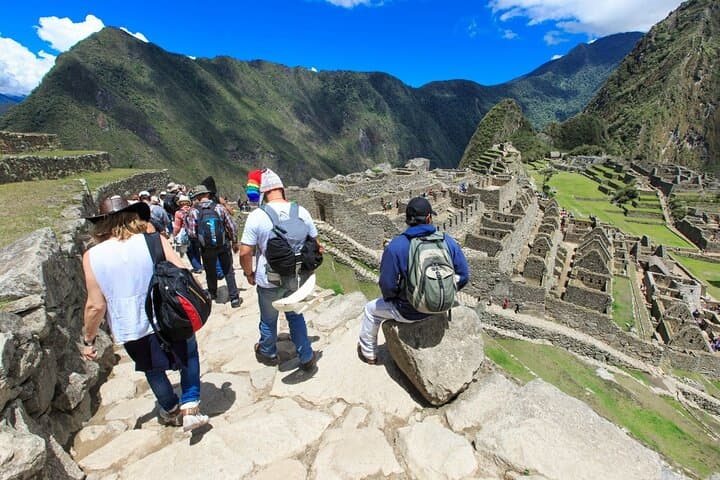
The certified bilingual guide leads a 2–3 hour tour covering the main sectors—Temple of the Sun, terraces, and ceremonial plazas—after which you have free time to explore.
Your entry is tied to the ticket and ID; a mobile or printed ticket plus the passport used at booking is required for entry checks.
The site has many uneven stones and stairs; short sections are accessible by bus but extensive mobility limitations may make full exploration difficult.
Lunch is not included; you’ll have free time in Aguas Calientes where restaurants and markets offer Andean trout, soups, and snacks.
Built in the mid-15th century and later abandoned during Spanish conquest, Machu Picchu served administrative, agricultural, and ceremonial functions tied to Inca elites and solar worship.
Visitor numbers and timed entry slots are managed to limit impact; stick to designated paths, avoid disturbing wildlife, and minimize single-use plastics.
Geo Adventures Peru operates guided outdoor trips and adventures with an emphasis on safety, stewardship, and memorable experiences.
Before sunrise the streets of Cusco still hold an early hush; your pickup moves through alleys warmed by bakery smoke and eucalyptus-scented air. By train the valley opens — the Urubamba River dare you to look away as cliffs and cloud forest slide past the panoramic windows. When the bus climbs the jungle road into Machu Picchu, the citadel appears like a city waking: terraces threading the slope, stonework catching the light.
Before sunrise the streets of Cusco still hold an early hush; your pickup moves through alleys warmed by bakery smoke and eucalyptus-scented air. By train the valley opens — the Urubamba River dare you to look away as cliffs and cloud forest slide past the panoramic windows. When the bus climbs the jungle road into Machu Picchu, the citadel appears like a city waking: terraces threading the slope, stonework catching the light.
Machu Picchu sits on a granite spine where Inca masons carved plazas, ramps, and agricultural tiers into steep geology shaped by glaciation and river erosion. The site blends practical engineering and cosmology—sun temples align to solstices and terraces reveal an intimate knowledge of microclimates. Local culture remains visible: llamas graze, markets in Aguas Calientes sell woven patterns tied to Quechua traditions, and guides explain Inca astronomy in clear, human terms.
Expect a paced day: early hotel pickup from Cusco, a scenic 2–3 hour transfer through the Sacred Valley, an Expedition train ride, ascent by shuttle bus, and a 2–3 hour certified guided tour through key sectors—Temple of the Sun, Sacred Rock, terraces—followed by free time in Aguas Calientes. Altitude and sudden weather shifts shape the experience: the environment may offer mist that wraps the ruins or sun that demands sunscreen. Practical tips—hydrate early, use layers, carry your passport for entry, and leave nonpermitted tripods or large backpacks behind. The tour is ideal for travelers with reasonable mobility who have spent at least a day in Cusco to acclimatize. This full-day itinerary packs transport logistics so you can focus on the stonework, the birds, and the slow reveal of one of the Andes’ most arresting places.