THE ADVENTURE COLLECTIVE® · Independent discovery and booking for outdoor travel

Experience Machu Picchu in a single, well-paced day: scenic train through the Sacred Valley, a guided tour of the citadel’s highlights, and free time for photos. This full-day option streamlines transport and permits focused exploration of the Inca masterpiece.
Experience Machu Picchu in a single, well-paced day: scenic train through the Sacred Valley, a guided tour of the citadel’s highlights, and free time for photos. This full-day option streamlines transport and permits focused exploration of the Inca masterpiece.
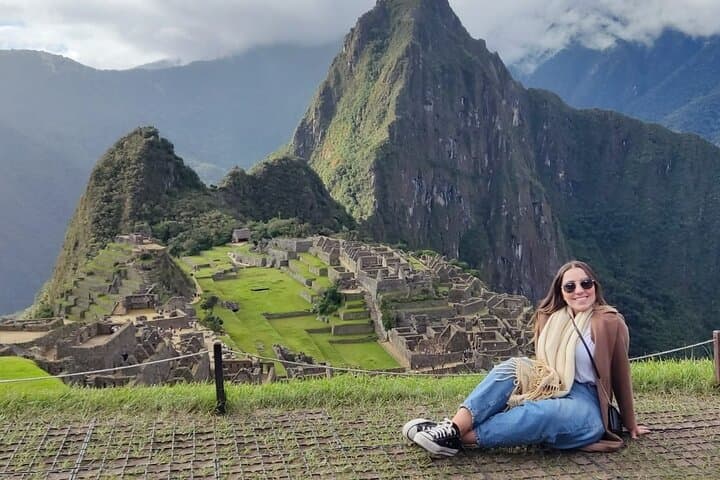
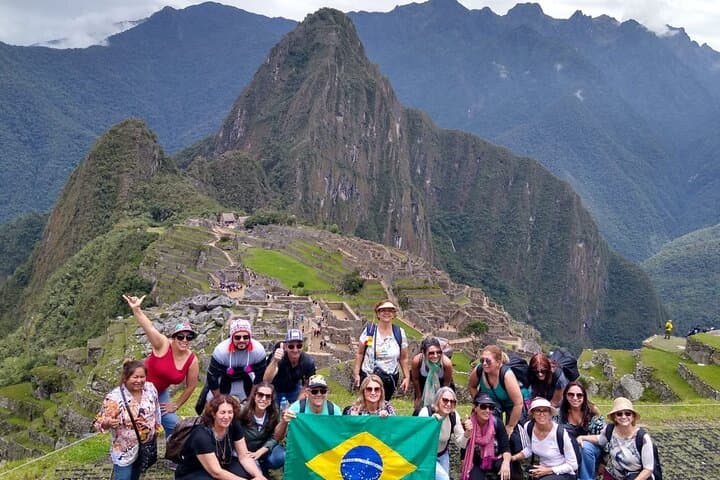
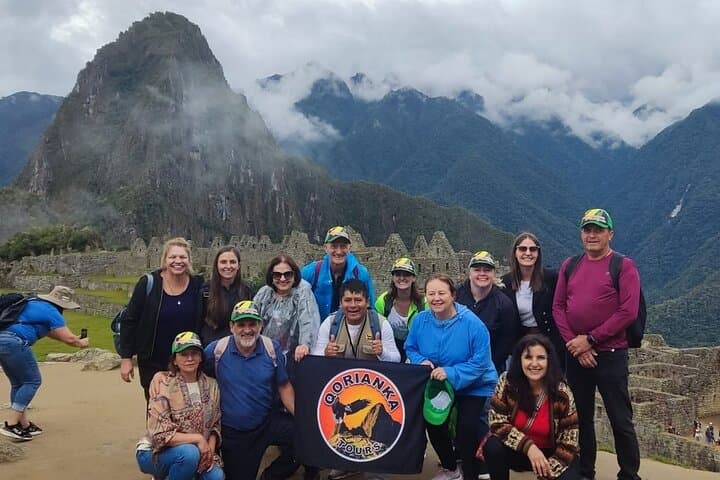
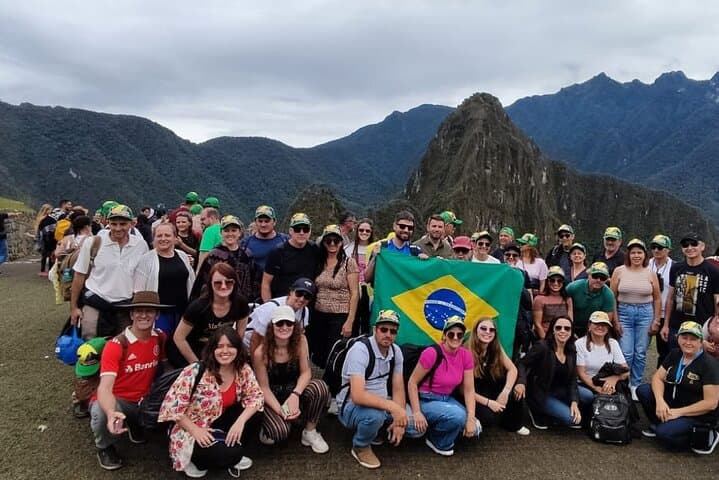
You step off the train and the valley exhales—thin mountain air, river roar far below, terraces climbing like carved steps. The approach from Aguas Calientes threads through cloud forest and steep switchbacks; when the citadel appears, it arrives with the blunt certainty of stone that has resisted centuries.
Verified experiences and guided adventures in the surrounding area.
Operated by QORIANKA TOURS · Aguas Calientes (Machu Picchu Pueblo), Cusco Region
You step off the train and the valley exhales—thin mountain air, river roar far below, terraces climbing like carved steps. The approach from Aguas Calientes threads through cloud forest and steep switchbacks; when the citadel appears, it arrives with the blunt certainty of stone that has resisted centuries.
Machu Picchu occupies an exposed saddle on the eastern flanks of the Andes, where granite and volcanic intrusions meet river-carved gorges. Built in the 15th century during the height of Inca engineering, the site combines agricultural terraces, finely cut ashlar masonry, and ceremonial plazas that align with sun paths—features a guide will point out as both practical and spiritual.
Local culture remains present in the town below: vendors selling handwoven textiles, Quechua-speaking guides, and railway workers who shaped modern access. Geologically, the steep slopes and frequent cloud cover create a fragile ecosystem of orchids and bromeliads clinging to rock.
Practically, expect a long day: pick-up in Cusco, scenic train through the Sacred Valley, a guided two-hour circuit of the main sector, then free time to explore or photograph. Paths are uneven stone and include many stairs; altitude can make a short route feel much longer. Hydrate in the morning, layer for sun-to-rain swings, and plan photography times—early or late light is best. The tour bundles train, bus and Machu Picchu entrance, simplifying logistics for a single-day visit while leaving enough free time to absorb the place without rushing.
moderate.
14 hours.
Suitable for travelers in decent general fitness who can manage several hours of walking on uneven stone and staircases at altitude.
The professional guide leads a roughly two-hour narrated circuit covering major monuments, after which you’ll have free time to explore independently.
Yes; the tour is listed as suitable for all fitness levels, but participants should be able to walk on uneven ground and ascend/descend stairs.
Picnic areas exist outside the main citadel; inside the protected zone food is limited to small snacks—follow site rules and pack out trash.
Machu Picchu sits lower than Cusco but travel involves significant elevation; acclimatize in Cusco, hydrate, and consider medication if prone to acute mountain sickness.
Constructed in the 15th century under Inca rule, Machu Picchu functioned as a ceremonial and agricultural center linked to Cusco’s imperial network.
Visitor limits, defined paths, and ongoing archaeological work aim to reduce erosion and preserve delicate flora; follow guidelines and avoid straying off trails.
QORIANKA TOURS operates guided outdoor trips and adventures with an emphasis on safety, stewardship, and memorable experiences.
You step off the train and the valley exhales—thin mountain air, river roar far below, terraces climbing like carved steps. The approach from Aguas Calientes threads through cloud forest and steep switchbacks; when the citadel appears, it arrives with the blunt certainty of stone that has resisted centuries.
You step off the train and the valley exhales—thin mountain air, river roar far below, terraces climbing like carved steps. The approach from Aguas Calientes threads through cloud forest and steep switchbacks; when the citadel appears, it arrives with the blunt certainty of stone that has resisted centuries.
Machu Picchu occupies an exposed saddle on the eastern flanks of the Andes, where granite and volcanic intrusions meet river-carved gorges. Built in the 15th century during the height of Inca engineering, the site combines agricultural terraces, finely cut ashlar masonry, and ceremonial plazas that align with sun paths—features a guide will point out as both practical and spiritual.
Local culture remains present in the town below: vendors selling handwoven textiles, Quechua-speaking guides, and railway workers who shaped modern access. Geologically, the steep slopes and frequent cloud cover create a fragile ecosystem of orchids and bromeliads clinging to rock.
Practically, expect a long day: pick-up in Cusco, scenic train through the Sacred Valley, a guided two-hour circuit of the main sector, then free time to explore or photograph. Paths are uneven stone and include many stairs; altitude can make a short route feel much longer. Hydrate in the morning, layer for sun-to-rain swings, and plan photography times—early or late light is best. The tour bundles train, bus and Machu Picchu entrance, simplifying logistics for a single-day visit while leaving enough free time to absorb the place without rushing.