THE ADVENTURE COLLECTIVE® · Independent discovery and booking for outdoor travel

Board a morning train from Cusco and follow the Urubamba to Aguas Calientes, then climb by bus into Machu Picchu for a guided full-day exploration of terraces, temples, and skyline views. This day trip blends accessible hiking with deep cultural history—book tickets early and pace yourself for altitude.
Board a morning train from Cusco and follow the Urubamba to Aguas Calientes, then climb by bus into Machu Picchu for a guided full-day exploration of terraces, temples, and skyline views. This day trip blends accessible hiking with deep cultural history—book tickets early and pace yourself for altitude.
It begins before dawn in Cusco—hotel lights blink as guides gather the group and the van hums toward Ollantaytambo. The train slips along the Urubamba, a silver ribbon that dares you to look away, carving terraces and cloud-shrouded peaks into the window frame. Arriving in Aguas Calientes, the town’s steam and bright market stalls give way to a 30-minute hairpin bus climb that opens onto the citadel’s first terraces and the startling geometry of Inca stonework.
Verified experiences and guided adventures in the surrounding area.
Operated by Amaiaq · Aguas Calientes, Cusco Region
It begins before dawn in Cusco—hotel lights blink as guides gather the group and the van hums toward Ollantaytambo. The train slips along the Urubamba, a silver ribbon that dares you to look away, carving terraces and cloud-shrouded peaks into the window frame. Arriving in Aguas Calientes, the town’s steam and bright market stalls give way to a 30-minute hairpin bus climb that opens onto the citadel’s first terraces and the startling geometry of Inca stonework.
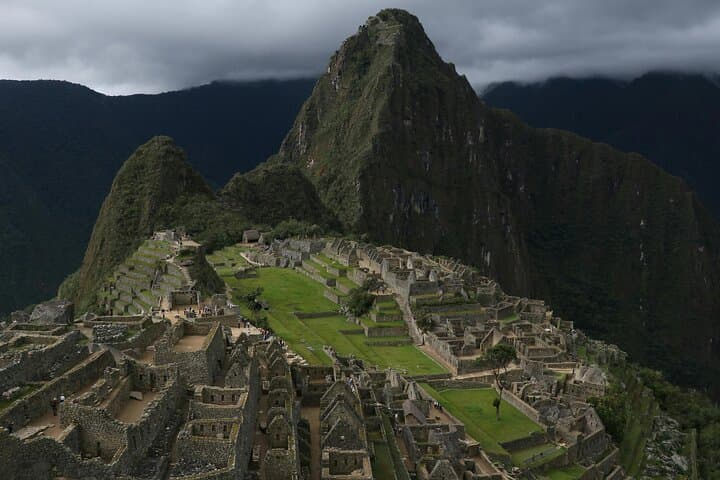
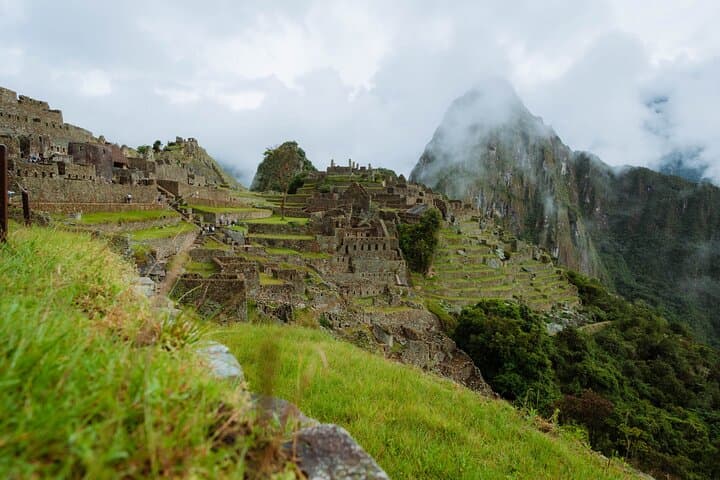
Machu Picchu sits on a granite spine where tectonics and tropical erosion met centuries ago; its terraces and channels are engineering answers to steep slopes and heavy rains. Built in the 15th century and long abandoned after the Spanish conquest, the site was brought to global attention in 1911 by Hiram Bingham. Today the mountain still feels like a living presence—vivid green terraces slope into mist, and llamas graze where priests once walked.
Expect guided exploration of the main circuit, stone plazas, and irrigation systems across two hours, with optional climbs to Huayna Picchu or Machu Picchu Mountain for panoramic views. Practicalities matter: trains and site tickets are fixed—book in advance; altitude adjustment in Cusco helps; wear grippy shoes for stone steps and bring layered rain protection. Schedule your photos for morning light or late afternoon for softer shadows and fewer crowds.
This is a full-day rhythm of travel—early wake-up, sustained walking, and a long return—rewarded by one of South America’s most immediate encounters with history and high-Andean landscape.
moderate.
15–17 hours.
Moderate fitness; must be comfortable walking on uneven stone paths and climbing stairs for several hours.
Yes—entry is controlled by time slot and sells out during high season; book both entrance and train tickets before your trip.
The main circuit involves uneven stone steps and slopes but is manageable for most with moderate fitness; optional mountain hikes are strenuous and require more effort.
Small snacks and water are allowed but large meals and alcohol are restricted—use Aguas Calientes for fuller meals before or after visiting the citadel.
Cusco sits around 3,400 m; if you arrive the same day, expect possible mild symptoms—spend a day acclimatizing and hydrate to reduce risk.
Constructed in the 15th century under the Inca Empire and largely abandoned during the Spanish era, Machu Picchu became globally known following Hiram Bingham’s 1911 arrival.
Visitor numbers and timed entries help limit wear on fragile terraces—stay on designated paths, avoid touching masonry, and pack out any waste.
Amaiaq operates guided outdoor trips and adventures with an emphasis on safety, stewardship, and memorable experiences.
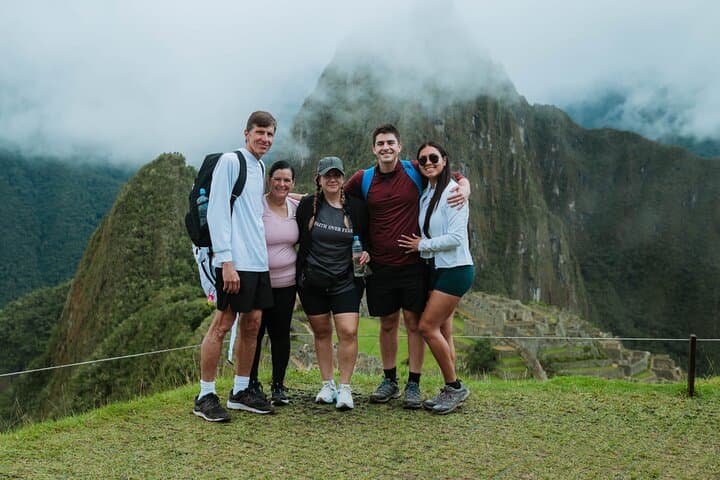
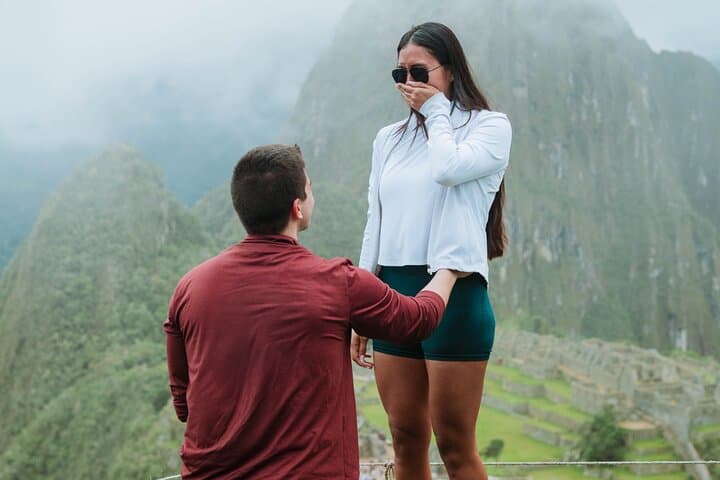
It begins before dawn in Cusco—hotel lights blink as guides gather the group and the van hums toward Ollantaytambo. The train slips along the Urubamba, a silver ribbon that dares you to look away, carving terraces and cloud-shrouded peaks into the window frame. Arriving in Aguas Calientes, the town’s steam and bright market stalls give way to a 30-minute hairpin bus climb that opens onto the citadel’s first terraces and the startling geometry of Inca stonework.
It begins before dawn in Cusco—hotel lights blink as guides gather the group and the van hums toward Ollantaytambo. The train slips along the Urubamba, a silver ribbon that dares you to look away, carving terraces and cloud-shrouded peaks into the window frame. Arriving in Aguas Calientes, the town’s steam and bright market stalls give way to a 30-minute hairpin bus climb that opens onto the citadel’s first terraces and the startling geometry of Inca stonework.
Machu Picchu sits on a granite spine where tectonics and tropical erosion met centuries ago; its terraces and channels are engineering answers to steep slopes and heavy rains. Built in the 15th century and long abandoned after the Spanish conquest, the site was brought to global attention in 1911 by Hiram Bingham. Today the mountain still feels like a living presence—vivid green terraces slope into mist, and llamas graze where priests once walked.
Expect guided exploration of the main circuit, stone plazas, and irrigation systems across two hours, with optional climbs to Huayna Picchu or Machu Picchu Mountain for panoramic views. Practicalities matter: trains and site tickets are fixed—book in advance; altitude adjustment in Cusco helps; wear grippy shoes for stone steps and bring layered rain protection. Schedule your photos for morning light or late afternoon for softer shadows and fewer crowds.
This is a full-day rhythm of travel—early wake-up, sustained walking, and a long return—rewarded by one of South America’s most immediate encounters with history and high-Andean landscape.