THE ADVENTURE COLLECTIVE® · Independent discovery and booking for outdoor travel

Board a morning train in Ollantaytambo and arrive in Aguas Calientes before a guided ascent to Machu Picchu. This full-day loop pairs efficient transit with a focused two-hour tour and free time to explore key viewpoints.
Board a morning train in Ollantaytambo and arrive in Aguas Calientes before a guided ascent to Machu Picchu. This full-day loop pairs efficient transit with a focused two-hour tour and free time to explore key viewpoints.
You step off the rattling train into Aguas Calientes with mist lifting from the valley like the curtain before a stage. The air is cool and thin; terraces and stonework sit above you like a city paused under cloud. From the town the shuttle lunges up the steep, switchback road to Machu Picchu, where the guide sets a brisk route through plazas, temples and terraces—two hours that condense centuries into footsteps.
Verified experiences and guided adventures in the surrounding area.
Operated by New Adventures Peru Travel · Aguas Calientes, Cusco
You step off the rattling train into Aguas Calientes with mist lifting from the valley like the curtain before a stage. The air is cool and thin; terraces and stonework sit above you like a city paused under cloud. From the town the shuttle lunges up the steep, switchback road to Machu Picchu, where the guide sets a brisk route through plazas, temples and terraces—two hours that condense centuries into footsteps.
Machu Picchu is a 15th-century Inca citadel carved into a granite spine above the Urubamba River. Built at the height of Inca engineering, its structures align with astronomical markers and mountain ridgelines. Hiram Bingham’s 1911 publication brought the site to global attention, but local Quechua communities have long kept knowledge of the landscape. Geologically, you’ll notice weathered granite and steep fluvial valleys sculpted by the Vilcanota (Urubamba) River.
Expect cobbled paths, steep staircases and short, exposed sections—altitude is the real factor. Practical planning: rise early in Cusco for the 5:00 AM pickup, bring layers for sun and sudden mountain rain, and leave time in Aguas Calientes for a late lunch. If you want extra viewpoints like Inti Punku (Sun Gate) or the Inca Bridge, factor in additional walking time and permits.
Logistics follow a predictable loop: private transfer to Ollantaytambo, a roughly two-hour train to Aguas Calientes, a 30-minute bus to the citadel, two-hour guided exploration, free time, and an evening return to Cusco. Carry water, protect electronics from humidity, and move at a steady pace—Machu Picchu rewards attention to detail more than rush.
moderate.
14–16 hours.
Suitable for travelers in average physical condition; must handle walking on uneven stone at ~2,400–3,400 m elevation.
Yes—bring the original passport used to book the Machu Picchu ticket; entry checks are routine.
No—lunch in Aguas Calientes is typically not included so budget extra time and cash for a meal.
Not usually—those hikes require separate permits and additional time; check availability and upgrade options in advance.
The guided tour is about two hours, after which you have free time to explore approved areas independently.
Machu Picchu was constructed in the 15th century under Inca rule and was brought to international attention by Hiram Bingham in 1911; its exact historical role remains debated.
Visitor limits and timed entry aim to reduce erosion and crowding—stay on marked paths, avoid litter, and follow guide instructions to protect fragile structures.
New Adventures Peru Travel operates guided outdoor trips and adventures with an emphasis on safety, stewardship, and memorable experiences.
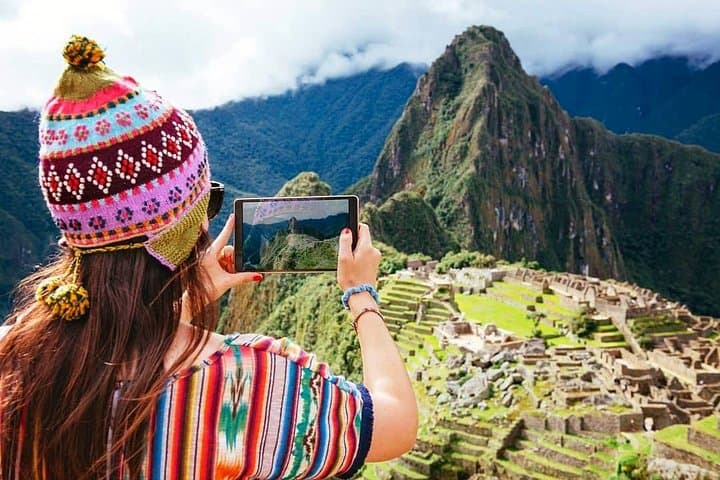
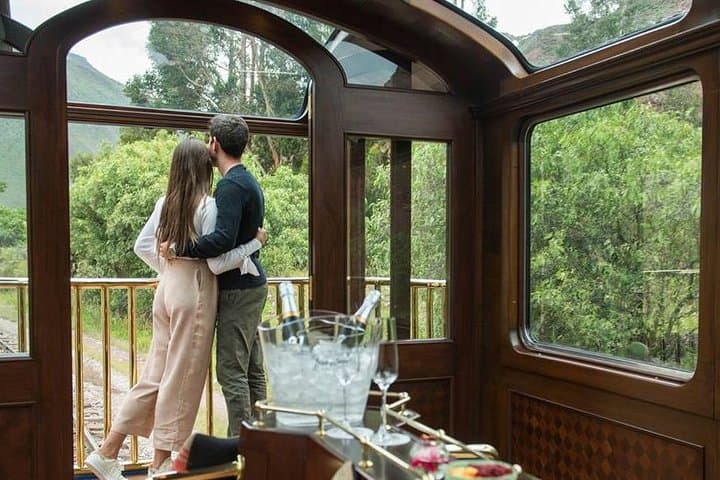
You step off the rattling train into Aguas Calientes with mist lifting from the valley like the curtain before a stage. The air is cool and thin; terraces and stonework sit above you like a city paused under cloud. From the town the shuttle lunges up the steep, switchback road to Machu Picchu, where the guide sets a brisk route through plazas, temples and terraces—two hours that condense centuries into footsteps.
You step off the rattling train into Aguas Calientes with mist lifting from the valley like the curtain before a stage. The air is cool and thin; terraces and stonework sit above you like a city paused under cloud. From the town the shuttle lunges up the steep, switchback road to Machu Picchu, where the guide sets a brisk route through plazas, temples and terraces—two hours that condense centuries into footsteps.
Machu Picchu is a 15th-century Inca citadel carved into a granite spine above the Urubamba River. Built at the height of Inca engineering, its structures align with astronomical markers and mountain ridgelines. Hiram Bingham’s 1911 publication brought the site to global attention, but local Quechua communities have long kept knowledge of the landscape. Geologically, you’ll notice weathered granite and steep fluvial valleys sculpted by the Vilcanota (Urubamba) River.
Expect cobbled paths, steep staircases and short, exposed sections—altitude is the real factor. Practical planning: rise early in Cusco for the 5:00 AM pickup, bring layers for sun and sudden mountain rain, and leave time in Aguas Calientes for a late lunch. If you want extra viewpoints like Inti Punku (Sun Gate) or the Inca Bridge, factor in additional walking time and permits.
Logistics follow a predictable loop: private transfer to Ollantaytambo, a roughly two-hour train to Aguas Calientes, a 30-minute bus to the citadel, two-hour guided exploration, free time, and an evening return to Cusco. Carry water, protect electronics from humidity, and move at a steady pace—Machu Picchu rewards attention to detail more than rush.