THE ADVENTURE COLLECTIVE® · Independent discovery and booking for outdoor travel

Choose an official Machu Picchu circuit—Panoramic, Classic, or Royalty—and explore the Inca citadel at your own pace. This ticket gives timed, self-guided access to protect the site while offering distinct viewpoints and routes for different interests.
Choose an official Machu Picchu circuit—Panoramic, Classic, or Royalty—and explore the Inca citadel at your own pace. This ticket gives timed, self-guided access to protect the site while offering distinct viewpoints and routes for different interests.
You step through the Main Control Gate and the air changes—thin, cool, and charged with centuries. Terraces fall away like steps carved into the mountain, while stone temples hold their angles against the sky. The citadel doesn’t merely sit on the land; it pushes back at gravity and weather, daring you to explore each path.
Verified experiences and guided adventures in the surrounding area.
Operated by Haku Travel E.I.R.L · Machu Picchu Pueblo (Aguas Calientes), Cusco
You step through the Main Control Gate and the air changes—thin, cool, and charged with centuries. Terraces fall away like steps carved into the mountain, while stone temples hold their angles against the sky. The citadel doesn’t merely sit on the land; it pushes back at gravity and weather, daring you to explore each path.
Machu Picchu was built by the Inca in the 15th century and rediscovered for the global public in 1911. Granite outcrops and steep flanks define the site’s geology; water channels cut by ancient engineers still move rain away from foundations. Local Quechua culture remains visible: llamas forage on terraces and traditional agriculture patterns speak to the valley’s long human history.
This official entrance ticket lets you choose between three authorized circuits—Panoramic (broader viewpoints), Classic (core temples and terraces), and Royalty (extended angles and quieter sectors). Visits are self-guided and strictly timed; the circuits exist to protect fragile stonework and guide visitor flow.
Practicalities matter here: arrive at the exact gate time printed on your ticket, carry at least 1–2 liters of water, and wear sturdy shoes—stone steps are uneven and can be slippery. Sun and sudden rain alternate without warning; layers and a lightweight rain jacket are essential. There’s no wandering off-circuit: follow the authorized route, respect signage, and leave no trace. If you plan secondary hikes (Huayna Picchu or Machu Picchu Mountain), book separate permits well in advance. With planning, the site rewards careful travelers with striking views, quiet corners, and a visceral sense of place that’s both archaeological and alive.
moderate.
3–4 hours.
Moderate fitness: able to handle uneven stone steps, short steep sections, and several hours of walking at altitude.
No—those hikes require separate permits with limited daily spots; you must book them in advance in addition to the main entrance ticket.
Entry times are enforced at the Main Control Gate; late arrivals may be denied access without refund, as ticketing blocks are timed for crowd control.
Small snacks and water are allowed, but there are no food vendors inside the site; avoid bulky or odorous food and pack out all waste.
Many areas involve steep, uneven stone steps and narrow paths; visitors with significant mobility limitations should consult accessibility resources and consider alternative viewpoints outside the main citadel.
Constructed in the 15th century by the Inca, Machu Picchu served as a royal estate and ceremonial center; it was brought to international attention in 1911 by Hiram Bingham.
Visitor numbers and timed circuits are enforced to limit erosion and protect fragile stonework—stay on marked paths, carry out all waste, and follow staff directions.
Haku Travel E.I.R.L operates guided outdoor trips and adventures with an emphasis on safety, stewardship, and memorable experiences.
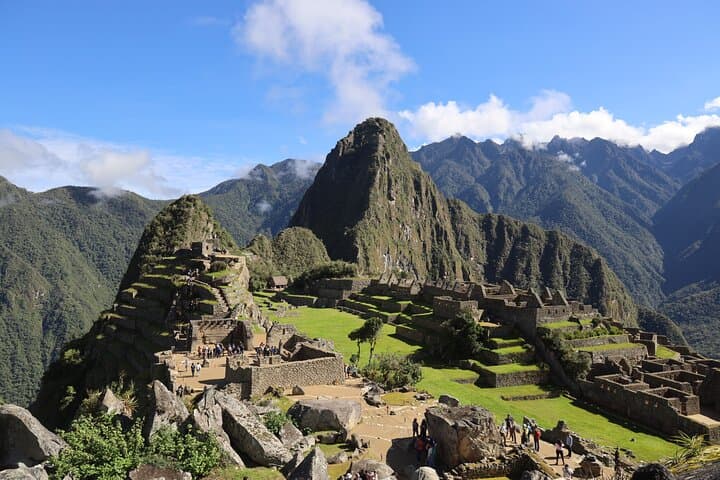
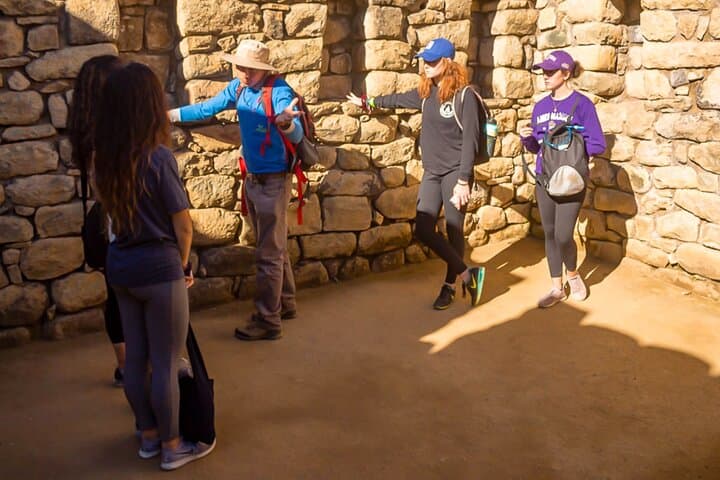
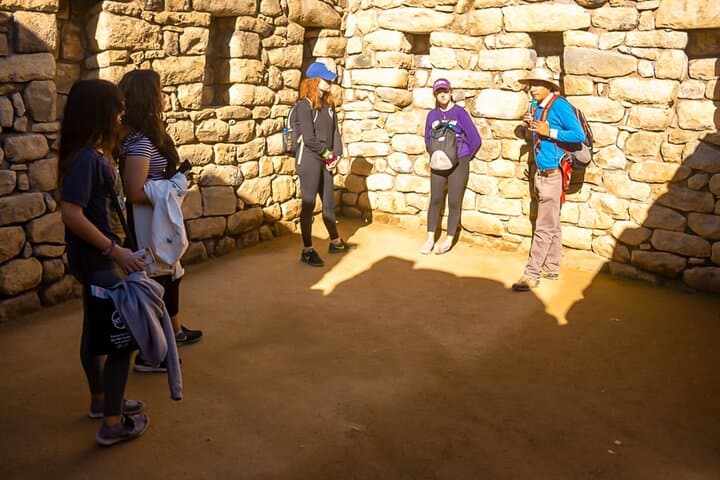
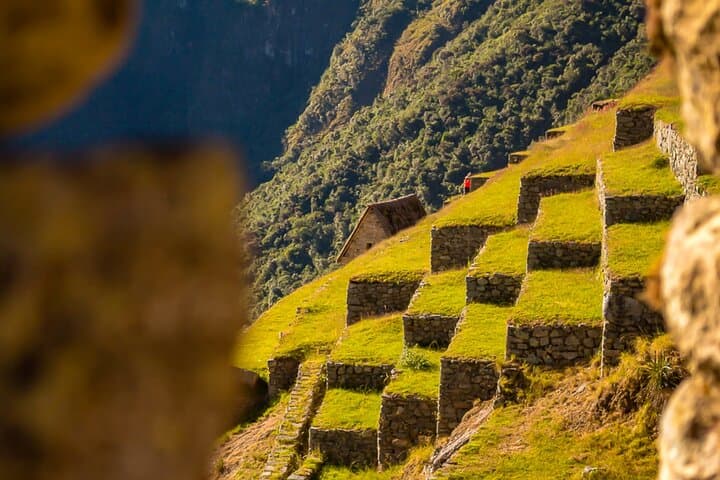
You step through the Main Control Gate and the air changes—thin, cool, and charged with centuries. Terraces fall away like steps carved into the mountain, while stone temples hold their angles against the sky. The citadel doesn’t merely sit on the land; it pushes back at gravity and weather, daring you to explore each path.
You step through the Main Control Gate and the air changes—thin, cool, and charged with centuries. Terraces fall away like steps carved into the mountain, while stone temples hold their angles against the sky. The citadel doesn’t merely sit on the land; it pushes back at gravity and weather, daring you to explore each path.
Machu Picchu was built by the Inca in the 15th century and rediscovered for the global public in 1911. Granite outcrops and steep flanks define the site’s geology; water channels cut by ancient engineers still move rain away from foundations. Local Quechua culture remains visible: llamas forage on terraces and traditional agriculture patterns speak to the valley’s long human history.
This official entrance ticket lets you choose between three authorized circuits—Panoramic (broader viewpoints), Classic (core temples and terraces), and Royalty (extended angles and quieter sectors). Visits are self-guided and strictly timed; the circuits exist to protect fragile stonework and guide visitor flow.
Practicalities matter here: arrive at the exact gate time printed on your ticket, carry at least 1–2 liters of water, and wear sturdy shoes—stone steps are uneven and can be slippery. Sun and sudden rain alternate without warning; layers and a lightweight rain jacket are essential. There’s no wandering off-circuit: follow the authorized route, respect signage, and leave no trace. If you plan secondary hikes (Huayna Picchu or Machu Picchu Mountain), book separate permits well in advance. With planning, the site rewards careful travelers with striking views, quiet corners, and a visceral sense of place that’s both archaeological and alive.